

Ready & Packaged Foods
All →Vegetables & Legumes
All →Desserts & Confectionery
All →Meat & Protein
All →Grains & Bakery
All →Beverages
All →Milk & Dairy
All →

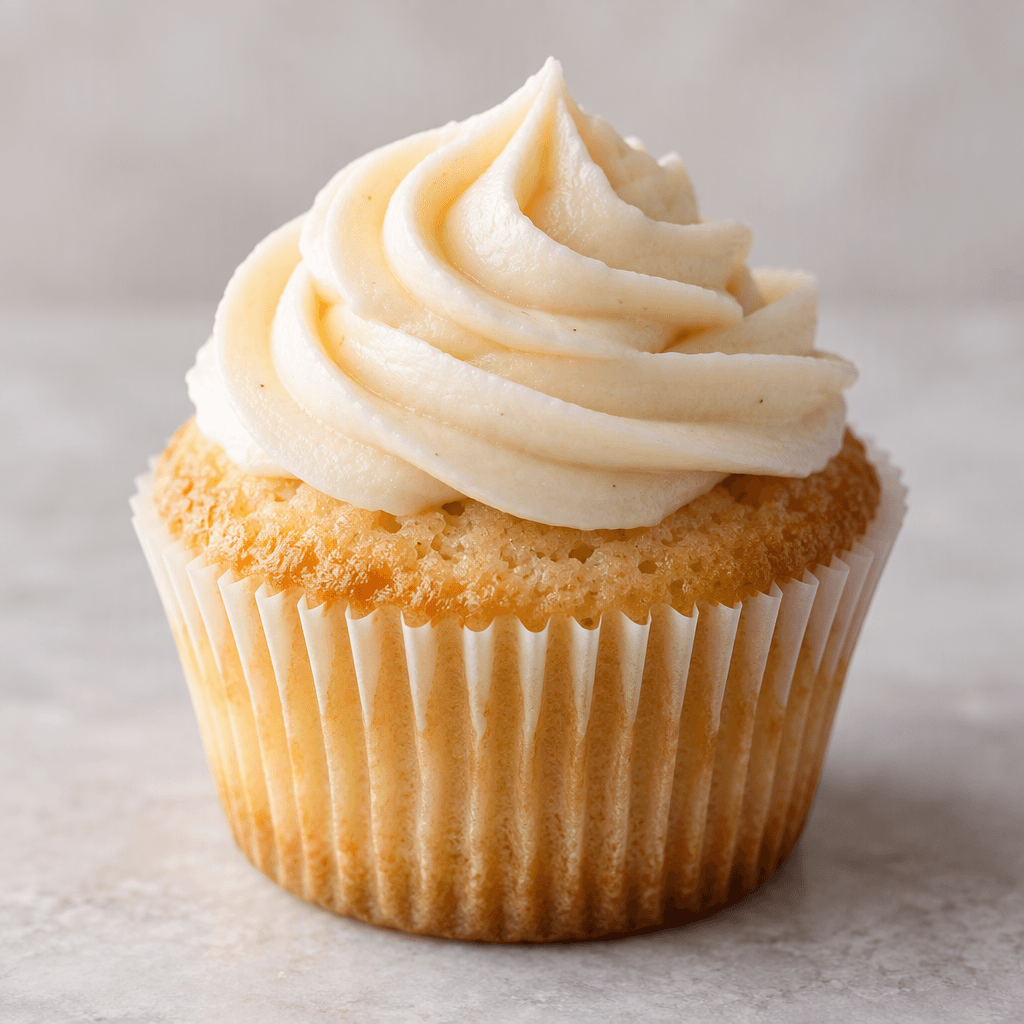
Protein Cupcake Calories
High-protein, low-sugar cupcake
CALORIES
GI
POTASSIUM
FIBER
Quick answer
1 piece (medium) of Protein Cupcake (60 g) has 156 calories. That works out to 260 calories per 100 g. It contains 16.8 g of carbs, 10.8 g of protein, 4.2 g of fat and 1.8 g of fiber. Its 66 mg of Phosphorus covers 9% of the Daily Value. Its glycemic index is 45 (medium), so it raises blood sugar at a moderate pace.
What is Protein Cupcake?
A Protein Cupcake is a small, sweet cake made with a batter enriched with protein-rich ingredients. There is no single standard recipe: the ingredients and texture vary, and it is a modern take on a familiar baked treat rather than a dish tied to one particular region.
It is usually soft and cake-like, with a sweet flavour, and works as a snack or a simple dessert alongside coffee or tea. You can add fresh fruit instead of a rich frosting for a lighter finish. Its defining nutritional feature is its higher protein content: it provides 18 g per 100 g, while the recipe is also designed to be relatively low in sugar. Check the portion and toppings if you want to keep the treat lighter.
Protein Cupcake Nutrition Facts
Selected: 100 g
260
KCAL / 100G
Carbs
28g
· 10% DV
Protein
18g
· 36% DV
Fat
7g
· 9% DV
Fiber
3g
· 11% DV
DV is the share of the daily value covered, on a 2,000 kcal reference diet.
Calories come from: Carbs 45% · Protein 29% · Fat 26%
Protein Cupcake Vitamins & Minerals
Vitamins
B2
0.18mg · 14% DV
B1
0.15mg · 13% DV
B12
0.3µg · 13% DV
B5
0.5mg · 10% DV
Minerals
Phosphorus
110mg · 16% DV
Selenium
6µg · 11% DV
Sodium
230mg · 10% DV
Calcium
90mg · 9% DV
How Nutritious Is Protein Cupcake?
Nutrient density
Medium
How many vitamins, minerals and how much fiber this food carries per calorie. A high score means a lot of nutrition for few calories.
Satiety score
Medium
An EatBetter score computed from fiber, protein and calorie density. A high score means staying full longer on the same calories.
Both scores are calculated per 100 g and do not change with the selected portion. The satiety score is EatBetter's own calculation, not a clinical measure.
Protein Cupcake Glycemic Index
GLYCEMIC INDEX
GLYCEMIC LOAD
Accounts for portion size — a more realistic measure than GI alone.
How to Burn Off Protein Cupcake
To burn the 260 calories in 100 g:
🚶
Walking (5 km/h)
🏃
Running (8 km/h)
🚴
Cycling
🏊
Swimming
Times are calculated with the MET equation for a 70 kg adult. Actual burn varies with your weight, age and pace.
Is Protein Cupcake Processed?
NOVA 3
Processed
1. Unprocessed
2. Minimally Processed
3. Processed
4. Ultra-Processed
NOVA classifies foods into 4 groups by industrial processing. NOVA 1 (unprocessed) is the healthiest.
Does Protein Cupcake Contain Allergens?
Contains these allergens:
Which Diets Is Protein Cupcake Good For?
Vegan
— Not suitable
Vegetarian
— Not suitable
Gluten-Free
— Not suitable
Dairy-Free
— Not suitable
Mediterranean
— Not suitable
Paleo
— Not suitable
Whole30
— Not suitable
DASH
— Not suitable
Keto
— Not suitable
Low FODMAP
— Not suitable
Protein Cupcake Fat Profile
SATURATED
2.1g
MONOUNSATURATED
2.3g
POLYUNSATURATED
1.4g
Omega 6:3 ratio 9.2:1
Above the ideal 4:1 (9.2:1).
Compare Protein Cupcake
Foods Similar to Protein Cupcake
Frequently Asked Questions About Protein Cupcake
What is a Protein Cupcake?
A Protein Cupcake is a cupcake made with more protein and usually less sugar than a conventional version. Recipes may use protein powder, eggs, yogurt, or other protein sources, so the ingredients and nutrition vary by recipe or brand.
How do you make a Protein Cupcake at home?
You can make a Protein Cupcake by mixing flour, eggs, protein powder, and a moist ingredient such as yogurt, then baking the batter in cupcake cases. Avoid overmixing and overbaking; protein powder can absorb extra liquid and make the crumb dry.
Which protein powder works best in a Protein Cupcake?
Whey or plant-based protein powder can work in a Protein Cupcake. They absorb liquid and affect texture differently, so check the batter consistency when substituting one for another. Flavored powders also change the cupcake’s sweetness and taste.
Why is my Protein Cupcake dry?
A Protein Cupcake is often dry because it was overbaked or the batter did not contain enough moisture. Protein powder can make this more likely by absorbing liquid; add enough yogurt or milk for a moist batter and start checking doneness early.
How can you sweeten a Protein Cupcake without much sugar?
You can sweeten a Protein Cupcake with ripe banana, apple purée, or flavored protein powder. These options can reduce the need for added sugar, but fruit still contributes natural sugars and moisture, which can change the cupcake’s texture.
Is a Protein Cupcake good before or after a workout?
A Protein Cupcake can be eaten before or after a workout, but it does not provide a special exercise benefit by itself. If eating a sweet or rich snack before training upsets your stomach, have a smaller portion or save it for afterward.
Can a Protein Cupcake help with weight loss?
A Protein Cupcake does not cause weight loss on its own, but a portion-controlled one may satisfy a sweet craving. Its protein can help with fullness, while ingredients such as flour, fats, and sweeteners still contribute energy and should fit your eating plan.
Can people with diabetes eat a Protein Cupcake?
A Protein Cupcake is not automatically suitable for everyone with diabetes; flour, sweeteners, and total carbohydrate can affect blood glucose. Ask your doctor or dietitian how a portion fits your individual glucose targets and medication plan.
How should you store a homemade Protein Cupcake?
Store a homemade Protein Cupcake in an airtight container in the refrigerator, where it generally keeps for three to four days. Refrigerate cupcakes with dairy-based frosting promptly, and discard them if you notice mold, an off smell, or an unusual texture.
Can you freeze a Protein Cupcake?
Yes, you can freeze a Protein Cupcake. Let it cool completely, wrap individual cupcakes, and place them in a sealed freezer container; thaw in the refrigerator or warm briefly before eating. Frosting may change texture after freezing.
Have another question about Protein Cupcake?
Ask the AI nutrition coach — calories, portions, alternatives and more, answered in seconds in the app.

Scan calories with your camera
Instant AI nutrition analysis

Nutrition data compiled from USDA FoodData Central and scientific sources.