

Ready & Packaged Foods
All →Vegetables & Legumes
All →Desserts & Confectionery
All →Meat & Protein
All →Grains & Bakery
All →Beverages
All →Milk & Dairy
All →

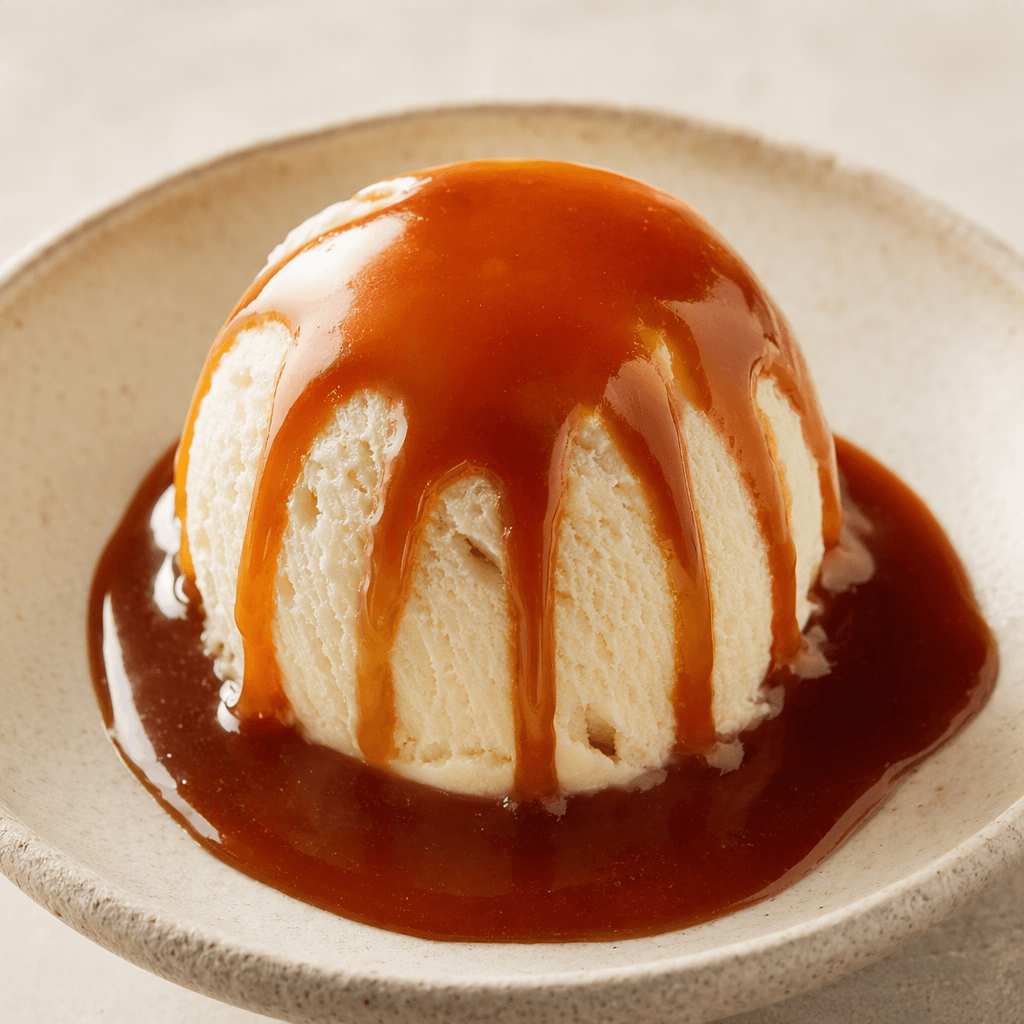
Caramel sauce Calories
Sweet, sugary sauce, often with milk or cream
In season: Autumn · Winter
CALORIES
GI
POTASSIUM
FIBER
Quick answer
2 tablespoon (medium) of Caramel sauce (40 g) has 128 calories. That works out to 320 calories per 100 g. It contains 30 g of carbs, 0.4 g of protein, 1.4 g of fat and 0 g of fiber. Its glycemic index is 65 (high), so it raises blood sugar quickly.
What is Caramel sauce?
Caramel sauce is made by heating sugar until it melts and browns, then often stirring in cream, milk or butter for a smoother, softer finish. It can range from a light amber drizzle to a thick, glossy sauce, with a rich sweetness and a faint toasted note.
It is commonly spooned over ice cream, cakes, puddings and pancakes, or used to finish drinks and desserts. In the UK, US and elsewhere, it is a familiar topping for sundaes and baked treats; a little also works well with sliced apples or pears. The sauce is mostly carbohydrate from sugar, so a small drizzle can add plenty of sweetness. For a lighter serving, use just enough to accent the dessert rather than cover it.
Caramel sauce Nutrition Facts
Selected: 100 g
320
KCAL / 100G
Carbs
75g
· 27% DV
Protein
1g
· 2% DV
Fat
3.5g
· 4% DV
Fiber
0g
· 0% DV
DV is the share of the daily value covered, on a 2,000 kcal reference diet.
Calories come from: Carbs 89% · Protein 1% · Fat 10%
Caramel sauce Vitamins & Minerals
Vitamins
B2
0.05mg · 4% DV
B5
0.15mg · 3% DV
Biotin
0.5µg · 2% DV
B12
0.05µg · 2% DV
Minerals
Sodium
120mg · 5% DV
Calcium
40mg · 4% DV
Phosphorus
30mg · 4% DV
Magnesium
5mg · 1% DV
How Nutritious Is Caramel sauce?
Nutrient density
Low
How many vitamins, minerals and how much fiber this food carries per calorie. A high score means a lot of nutrition for few calories.
Satiety score
Low
An EatBetter score computed from fiber, protein and calorie density. A high score means staying full longer on the same calories.
Both scores are calculated per 100 g and do not change with the selected portion. The satiety score is EatBetter's own calculation, not a clinical measure.
Caramel sauce Glycemic Index
GLYCEMIC INDEX
GLYCEMIC LOAD
Accounts for portion size — a more realistic measure than GI alone.
How to Burn Off Caramel sauce
To burn the 320 calories in 100 g:
🚶
Walking (5 km/h)
🏃
Running (8 km/h)
🚴
Cycling
🏊
Swimming
Times are calculated with the MET equation for a 70 kg adult. Actual burn varies with your weight, age and pace.
Is Caramel sauce Processed?
NOVA 3
Processed
1. Unprocessed
2. Minimally Processed
3. Processed
4. Ultra-Processed
NOVA classifies foods into 4 groups by industrial processing. NOVA 1 (unprocessed) is the healthiest.
Does Caramel sauce Contain Allergens?
Contains these allergens:
Which Diets Is Caramel sauce Good For?
Vegan
— Not suitable
Vegetarian
✓ Suitable
Gluten-Free
— Not suitable
Dairy-Free
— Not suitable
Mediterranean
— Not suitable
Paleo
— Not suitable
Whole30
— Not suitable
DASH
— Not suitable
Keto
— Not suitable
Low FODMAP
— Not suitable
Caramel sauce Fat Profile
SATURATED
2.2g
MONOUNSATURATED
0.8g
POLYUNSATURATED
0.2g
Omega 6:3 ratio 5:1
Above the ideal 4:1 (5:1).
Compare Caramel sauce
Foods Similar to Caramel sauce
Frequently Asked Questions About Caramel sauce
How do you make caramel sauce at home?
To make caramel sauce, melt sugar in a saucepan until amber, then carefully whisk in warm cream and butter off the heat. The sugar is extremely hot and can bubble up, so add the cream slowly and keep your hands and face clear of the pan.
Why does caramel sauce turn grainy?
Caramel sauce turns grainy when sugar crystals form during cooking, often because crystals on the pan’s sides fall back into the melted sugar. Avoid stirring once the sugar starts melting, and wash down the sides of the pan with a wet pastry brush.
Why is my caramel sauce bitter?
Caramel sauce tastes bitter when the sugar cooks too long and burns. Take it off the heat when it reaches an amber color, since the hot pan keeps cooking the caramel briefly even after you remove it from the burner.
How can you thicken caramel sauce that is too runny?
Simmer runny caramel sauce gently for a few more minutes to evaporate some liquid, then let it cool before judging the texture. Caramel thickens considerably as it cools, so avoid adding extra sugar or cooking it until it looks thick while still hot.
How long does homemade caramel sauce last in the fridge?
Homemade caramel sauce usually keeps for about one to two weeks in a sealed container in the refrigerator. Because many recipes contain cream or butter, refrigerate it promptly and discard it if you notice mold, an off smell, or an unusual change in appearance.
Can you freeze caramel sauce?
Yes, caramel sauce can be frozen in a tightly sealed, freezer-safe container. Thaw it in the refrigerator, then warm it gently while stirring; the texture may separate after freezing, but slow reheating often brings it back together.
Can you microwave caramel sauce?
Yes, you can microwave caramel sauce in a microwave-safe bowl using short bursts, stirring between each one. It heats unevenly and can become very hot, so avoid heating it for a long stretch and let it stand briefly before serving.
What is the difference between caramel sauce and butterscotch sauce?
Caramel sauce is made by browning sugar, while butterscotch sauce traditionally gets its flavor from brown sugar cooked with butter. Their ingredients and flavor differ, even though both sauces are sweet, buttery toppings for desserts.
What desserts go well with caramel sauce?
Caramel sauce pairs well with vanilla ice cream, apple desserts, cheesecake, brownies, and pancakes. Its sweetness works especially well with tart fruit or a lightly salted topping, so you can drizzle it over sliced apples or add toasted nuts.
How do you make salted caramel sauce?
Make caramel sauce as usual, then stir in salt a little at a time after adding the cream and butter. Taste as you go, especially if you used salted butter, because too much salt can overwhelm the caramel’s sweet, toasted flavor.
Have another question about Caramel sauce?
Ask the AI nutrition coach — calories, portions, alternatives and more, answered in seconds in the app.

Scan calories with your camera
Instant AI nutrition analysis

Nutrition data compiled from USDA FoodData Central and scientific sources.