

Ready & Packaged Foods
All →Vegetables & Legumes
All →Desserts & Confectionery
All →Meat & Protein
All →Grains & Bakery
All →Beverages
All →Milk & Dairy
All →

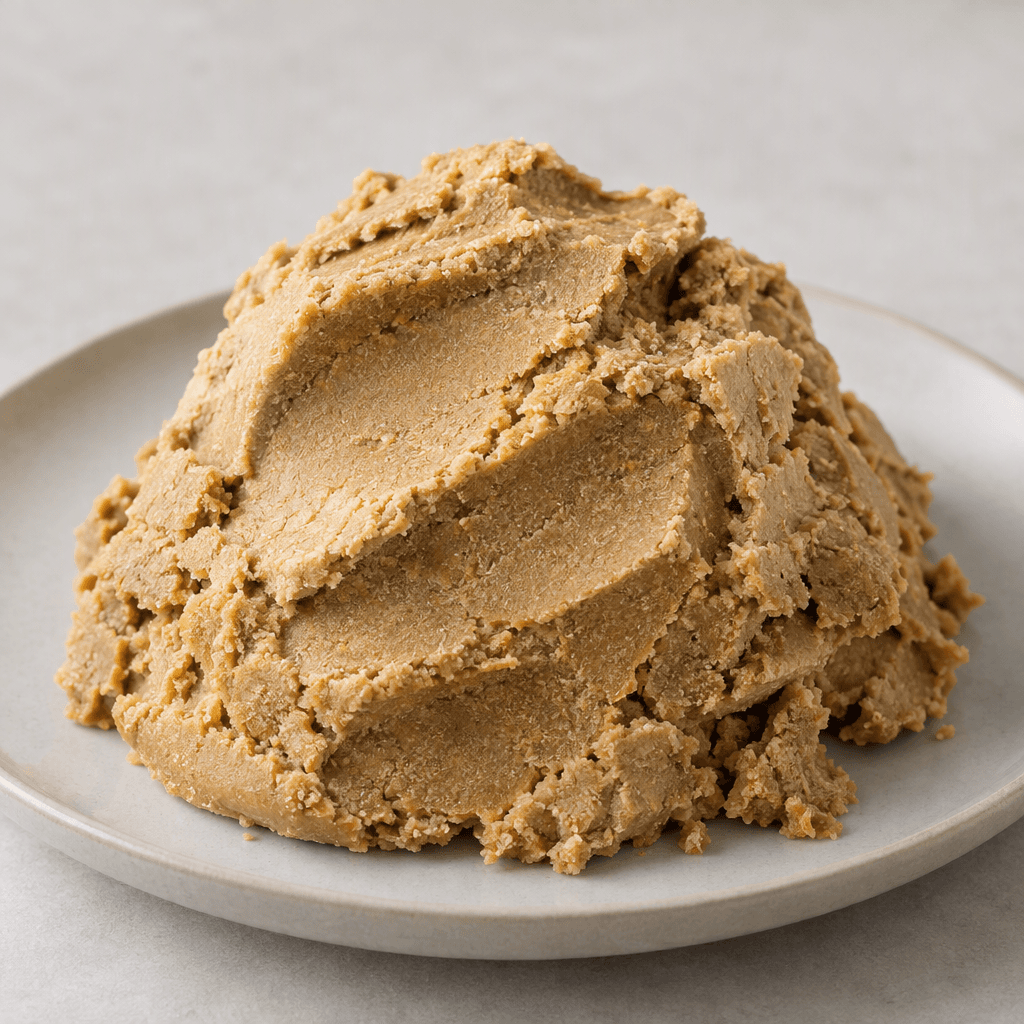
Kürek Helva Calories
Traditional Turkish sweet, high in sugar and energy, low protein
In season: Spring · Summer · Autumn · Winter
CALORIES
GI
POTASSIUM
FIBER
Quick answer
1 piece (medium) of Kürek Helva (60 g) has 252 calories. That works out to 420 calories per 100 g. It contains 48 g of carbs, 1.5 g of protein, 7.2 g of fat and 0.3 g of fiber. Its glycemic index is 75 (high), so it raises blood sugar quickly.
What is Kürek Helva?
Kürek Helva is a traditional Turkish sweet whose name refers to the broad wooden paddle used to stir it during preparation. Recipes vary by region, but it is generally made from a flour-based mixture combined with sugar syrup. It has a rich sweetness and a dense, slightly crumbly texture, though the exact consistency depends on how it is made.
In Turkey, it is usually offered in small pieces with tea, to guests or on special occasions. It is energy-dense and high in sugar, with little protein or fibre; a 100 g portion provides 420 kcal. Its sweetness pairs well with unsweetened tea or coffee, and a modest piece can make a satisfying treat without adding several other sweets to the table.
Kürek Helva Nutrition Facts
Selected: 100 g
420
KCAL / 100G
Carbs
80g
· 29% DV
Protein
2.5g
· 5% DV
Fat
12g
· 15% DV
Fiber
0.5g
· 2% DV
DV is the share of the daily value covered, on a 2,000 kcal reference diet.
Calories come from: Carbs 73% · Protein 2% · Fat 25%
Kürek Helva Vitamins & Minerals
Vitamins
B1
0.02mg · 2% DV
B2
0.03mg · 2% DV
Biotin
0.5µg · 2% DV
B3
0.2mg · 1% DV
Minerals
Iron
1mg · 6% DV
Calcium
40mg · 4% DV
Magnesium
15mg · 4% DV
Phosphorus
25mg · 4% DV
How Nutritious Is Kürek Helva?
Nutrient density
Low
How many vitamins, minerals and how much fiber this food carries per calorie. A high score means a lot of nutrition for few calories.
Satiety score
Low
An EatBetter score computed from fiber, protein and calorie density. A high score means staying full longer on the same calories.
Both scores are calculated per 100 g and do not change with the selected portion. The satiety score is EatBetter's own calculation, not a clinical measure.
Kürek Helva Glycemic Index
GLYCEMIC INDEX
GLYCEMIC LOAD
Accounts for portion size — a more realistic measure than GI alone.
How to Burn Off Kürek Helva
To burn the 420 calories in 100 g:
🚶
Walking (5 km/h)
🏃
Running (8 km/h)
🚴
Cycling
🏊
Swimming
Times are calculated with the MET equation for a 70 kg adult. Actual burn varies with your weight, age and pace.
Is Kürek Helva Processed?
NOVA 3
Processed
1. Unprocessed
2. Minimally Processed
3. Processed
4. Ultra-Processed
NOVA classifies foods into 4 groups by industrial processing. NOVA 1 (unprocessed) is the healthiest.
Does Kürek Helva Contain Allergens?
No known major allergens
Which Diets Is Kürek Helva Good For?
Vegan
— Not suitable
Vegetarian
✓ Suitable
Gluten-Free
— Not suitable
Dairy-Free
— Not suitable
Mediterranean
✓ Suitable
Paleo
— Not suitable
Whole30
— Not suitable
DASH
— Not suitable
Keto
— Not suitable
Low FODMAP
— Not suitable
Kürek Helva Fat Profile
SATURATED
2.5g
MONOUNSATURATED
4.5g
POLYUNSATURATED
2.5g
Omega 6:3 ratio 60:1
Above the ideal 4:1 (60:1).
Compare Kürek Helva
Foods Similar to Kürek Helva
Frequently Asked Questions About Kürek Helva
What is Kürek Helva?
Kürek Helva is a traditional Turkish sweet helva. It is generally flour-based, with flour cooked in fat and combined with a sweet mixture; recipes and texture can vary between makers and regions.
What is Kürek Helva made from?
Kürek Helva is commonly made with flour, fat and sugar. Some recipes use additional ingredients, so a packaged version may differ from a homemade one in both ingredients and texture.
How is Kürek Helva made?
Kürek Helva is typically prepared by cooking flour in fat, then mixing in a sweetened mixture until the helva comes together. The flour needs steady stirring so it browns evenly without taking on a burnt taste.
How is Kürek Helva different from tahini halva?
Kürek Helva is generally flour-based, while tahini halva is made primarily from tahini. They are distinct Turkish sweets, with different ingredients, textures and characteristic flavors.
Why is it called Kürek Helva?
The name Kürek Helva is associated with the broad, paddle-like tool used in traditional preparation or serving. The exact method can vary by maker, so the name does not guarantee one fixed recipe.
What is Kürek Helva usually served with?
Kürek Helva is often served in small pieces alongside unsweetened tea or coffee. Those drinks balance its sweetness, and the helva can be served on its own as a simple dessert.
Can you make Kürek Helva at home?
Yes, you can make Kürek Helva at home with a flour-based recipe. Cook the flour and fat slowly, stir steadily, and add the sweetened mixture gradually so the texture comes together evenly.
How should you store Kürek Helva?
Store Kürek Helva in an airtight container in a cool, dry place away from sunlight. Keep moisture out to preserve its texture, and follow the storage instructions if you are using a packaged product.
Can Kürek Helva be frozen?
Kürek Helva can be frozen in an airtight container, though thawing may make its texture drier or more crumbly. Let it thaw while still covered, and avoid repeatedly freezing and thawing it.
Can people with diabetes eat Kürek Helva?
People with diabetes should be cautious with Kürek Helva because its high sugar content can raise blood glucose. The suitable portion depends on an individual meal plan, so ask your doctor or dietitian for personal guidance.
Have another question about Kürek Helva?
Ask the AI nutrition coach — calories, portions, alternatives and more, answered in seconds in the app.

Scan calories with your camera
Instant AI nutrition analysis

Nutrition data compiled from USDA FoodData Central and scientific sources.