

Ready & Packaged Foods
All →Vegetables & Legumes
All →Desserts & Confectionery
All →Meat & Protein
All →Grains & Bakery
All →Beverages
All →Milk & Dairy
All →

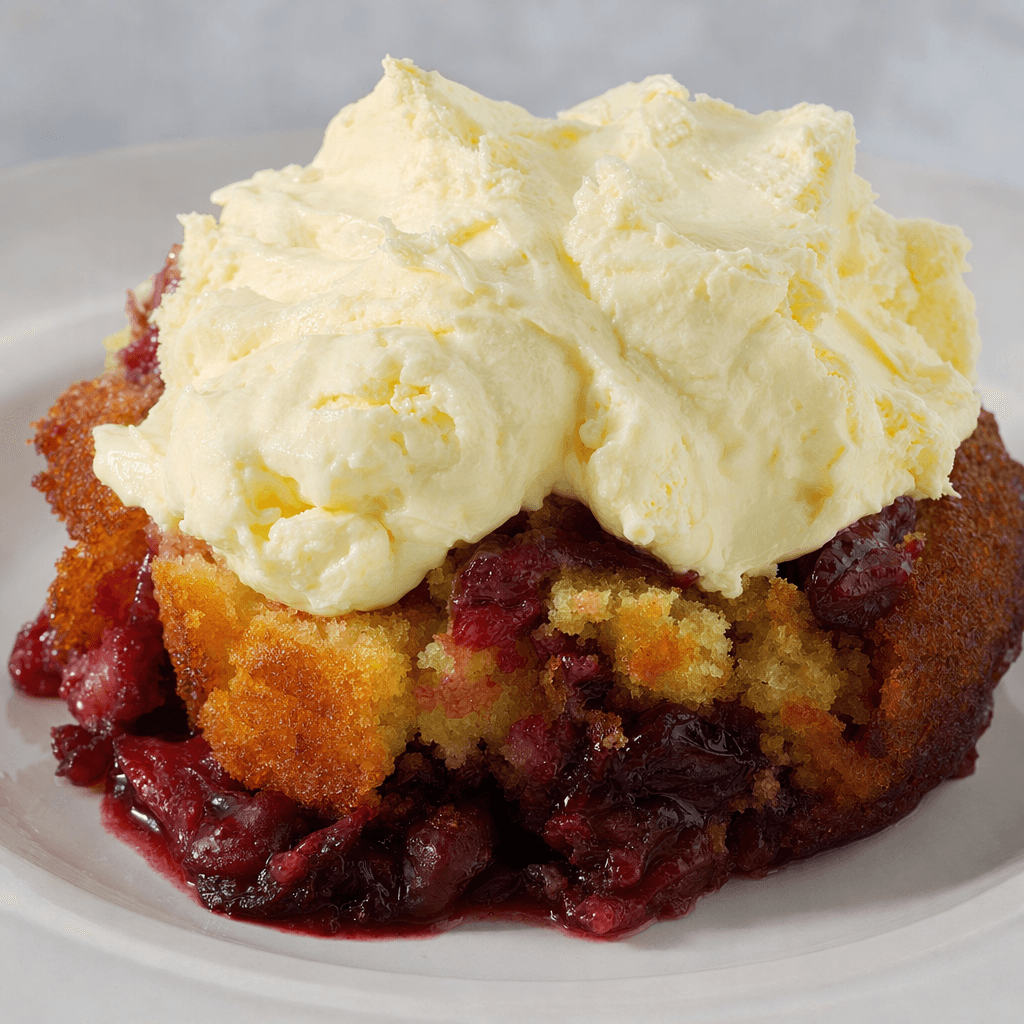
Dessert with clotted cream Calories
Rich clotted cream, sweet dessert, dairy-based
In season: Spring · Summer · Autumn · Winter
CALORIES
GI
POTASSIUM
FIBER
Quick answer
1 piece (medium) of Dessert with clotted cream (80 g) has 208 calories. That works out to 260 calories per 100 g. It contains 22.4 g of carbs, 3.4 g of protein, 12 g of fat and 0.2 g of fiber. Its 0.4 µg of B12 covers 17% of the Daily Value. Its glycemic index is 55 (medium), so it raises blood sugar at a moderate pace.
What is Dessert with clotted cream?
Dessert with clotted cream is a broad description of Turkish-style sweets served with kaymak, a rich, thick cream. Depending on the recipe, kaymak may sit on top of a pastry or shredded pastry sweet, or be spread between layers. The base and sweetness vary, so there is no single standard version; it is often paired with syrup-soaked desserts for a particularly indulgent finish.
The contrast is the appeal: cool, velvety cream against a tender, crisp or syrupy base. In Turkey it is commonly served after a meal or for a special occasion, often with tea or Turkish coffee; elsewhere, it makes a rich dessert to share after dinner. It is relatively energy-dense, with much of its energy coming from fat and carbohydrate. A modest portion with fresh fruit, and without extra syrup, keeps the serving lighter.
Dessert with clotted cream Nutrition Facts
Selected: 100 g
260
KCAL / 100G
Carbs
28g
· 10% DV
Protein
4.2g
· 8% DV
Fat
15g
· 19% DV
Fiber
0.2g
· 1% DV
DV is the share of the daily value covered, on a 2,000 kcal reference diet.
Calories come from: Carbs 42% · Protein 6% · Fat 52%
Dessert with clotted cream Vitamins & Minerals
Vitamins
B12
0.5µg · 21% DV
B2
0.18mg · 14% DV
Vitamin A
110µg · 12% DV
B5
0.4mg · 8% DV
Minerals
Phosphorus
85mg · 12% DV
Calcium
110mg · 11% DV
Zinc
1mg · 9% DV
Iodine
8µg · 5% DV
How Nutritious Is Dessert with clotted cream?
Nutrient density
Low
How many vitamins, minerals and how much fiber this food carries per calorie. A high score means a lot of nutrition for few calories.
Satiety score
Low
An EatBetter score computed from fiber, protein and calorie density. A high score means staying full longer on the same calories.
Both scores are calculated per 100 g and do not change with the selected portion. The satiety score is EatBetter's own calculation, not a clinical measure.
Dessert with clotted cream Glycemic Index
GLYCEMIC INDEX
GLYCEMIC LOAD
Accounts for portion size — a more realistic measure than GI alone.
How to Burn Off Dessert with clotted cream
To burn the 260 calories in 100 g:
🚶
Walking (5 km/h)
🏃
Running (8 km/h)
🚴
Cycling
🏊
Swimming
Times are calculated with the MET equation for a 70 kg adult. Actual burn varies with your weight, age and pace.
Is Dessert with clotted cream Processed?
NOVA 3
Processed
1. Unprocessed
2. Minimally Processed
3. Processed
4. Ultra-Processed
NOVA classifies foods into 4 groups by industrial processing. NOVA 1 (unprocessed) is the healthiest.
Does Dessert with clotted cream Contain Allergens?
Contains these allergens:
Which Diets Is Dessert with clotted cream Good For?
Vegan
— Not suitable
Vegetarian
✓ Suitable
Gluten-Free
— Not suitable
Dairy-Free
— Not suitable
Mediterranean
✓ Suitable
Paleo
— Not suitable
Whole30
— Not suitable
DASH
— Not suitable
Keto
— Not suitable
Low FODMAP
— Not suitable
Dessert with clotted cream Fat Profile
SATURATED
9.2g
MONOUNSATURATED
4.1g
POLYUNSATURATED
0.4g
Omega 6:3 ratio 3:1
Below the ideal 4:1 — a good omega balance.
Compare Dessert with clotted cream
Foods Similar to Dessert with clotted cream
Frequently Asked Questions About Dessert with clotted cream
What is dessert with clotted cream?
Dessert with clotted cream is a sweet dish served with kaymak, a rich cultured cream traditionally eaten in Türkiye. It is a serving style rather than one standardized recipe, and the dessert underneath can vary.
Is dessert with clotted cream the same as kaymaklı ekmek kadayıfı?
No. Dessert with clotted cream describes different sweets served with kaymak, while kaymaklı ekmek kadayıfı is a specific Turkish dessert made with syrup-soaked bread and kaymak.
What desserts are served with clotted cream?
Dessert with clotted cream is often made with syrup-soaked Turkish sweets such as ekmek kadayıfı. The mild, rich kaymak complements the syrup, and the exact pairing varies by region and household.
How do you serve dessert with clotted cream?
Serve dessert with clotted cream with the kaymak added on top or between layers just before eating. Keeping the cream chilled and the dessert base cool or only slightly warm helps preserve its texture.
Can dessert with clotted cream be made ahead?
Yes, you can prepare the dessert base for dessert with clotted cream ahead of time. Store the kaymak separately in the refrigerator and add it shortly before serving so it stays firm rather than melting into the base.
Why does the clotted cream melt on dessert with clotted cream?
The kaymak on dessert with clotted cream usually melts because it is added to a very hot base. Let the dessert cool until it is no longer hot, then add the chilled cream just before serving.
How do you keep dessert with clotted cream from becoming soggy?
To keep dessert with clotted cream from becoming soggy, add the kaymak at serving time rather than letting it sit on the dessert. For syrup-soaked bases, allow excess syrup to drain before adding the cream.
How should you store dessert with clotted cream?
Store dessert with clotted cream covered in the refrigerator, ideally with the kaymak kept separate until serving. Once assembled, the cream can soften the dessert, so refrigerate leftovers promptly and eat them soon.
Can you freeze dessert with clotted cream?
Freezing dessert with clotted cream is not recommended because thawing can make the kaymak watery and change the base’s texture. Refrigerate leftovers in a covered container instead.
Can people with diabetes eat dessert with clotted cream?
People with diabetes can eat dessert with clotted cream, but its sweet base may raise blood glucose. Portion size and the rest of the meal matter, so follow your clinician’s advice for your own glucose-management plan.
Have another question about Dessert with clotted cream?
Ask the AI nutrition coach — calories, portions, alternatives and more, answered in seconds in the app.

Scan calories with your camera
Instant AI nutrition analysis

Nutrition data compiled from USDA FoodData Central and scientific sources.