

Ready & Packaged Foods
All →Vegetables & Legumes
All →Desserts & Confectionery
All →Meat & Protein
All →Grains & Bakery
All →Beverages
All →Milk & Dairy
All →

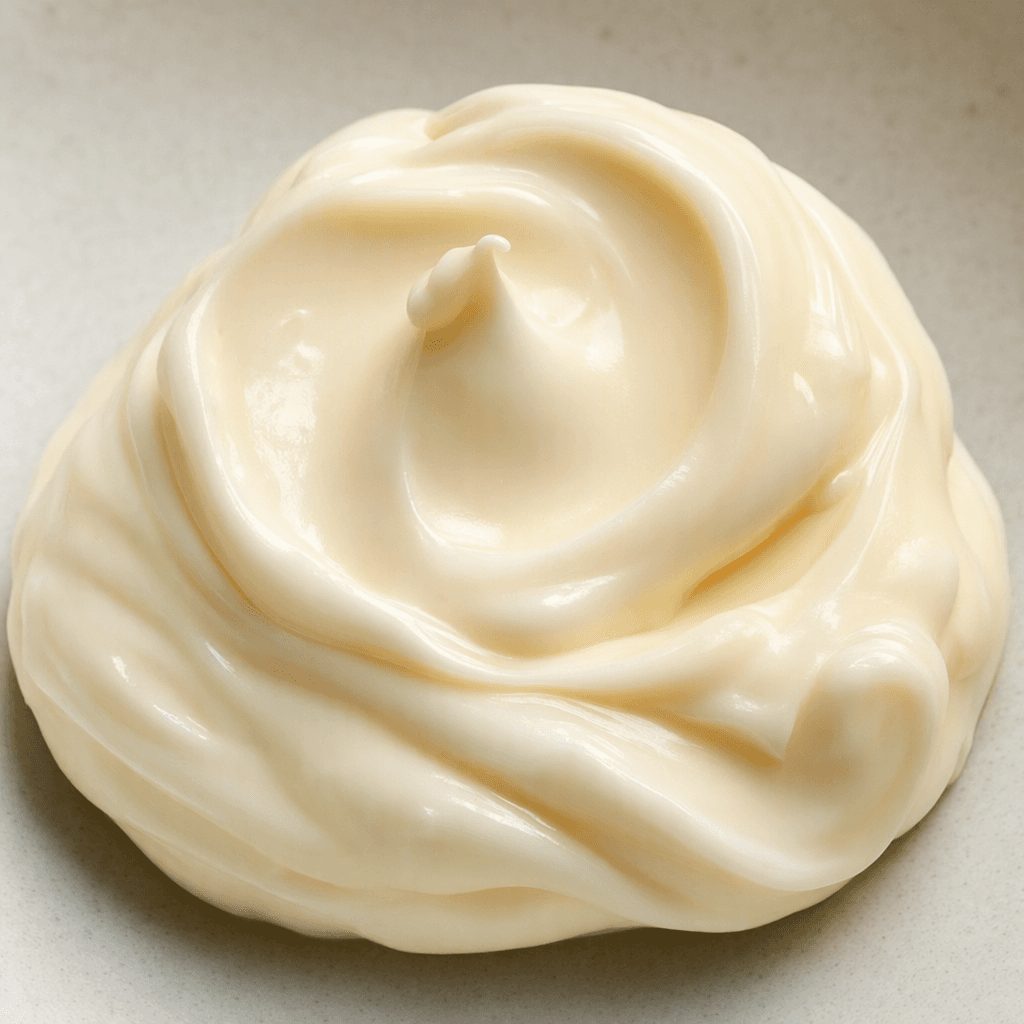
Reduced-Fat Mayonnaise Calories
Lower in fat and calories than regular mayonnaise
CALORIES · 100 G
GI
POTASSIUM · 100 G
FIBER · 100 G
Quick answer
1 tablespoon (medium) of Reduced-Fat Mayonnaise (15 g) has 35 calories. That works out to 231 calories per 100 g. It contains 1.8 g of carbs, 0.2 g of protein, 2.9 g of fat and 0 g of fiber. Its glycemic index is 20 (low), so it raises blood sugar slowly.
Reduced-Fat Mayonnaise Nutrition Facts
Selected: 1 tablespoon (medium) · 15 g
35
KCAL / 15G
Carbs
1.8g
· 1% DV
Protein
0.2g
· 0% DV
Fat
2.9g
· 4% DV
Fiber
0g
· 0% DV
DV is the share of the daily value covered, on a 2,000 kcal reference diet.
Calories come from: Carbs 21% · Protein 2% · Fat 77%
Reduced-Fat Mayonnaise nutrition facts table · 1 tablespoon (medium) (15 g)
| Nutrient | Amount | % DV |
|---|---|---|
| Calories | 35 kcal | |
| Total fat | 2.9 g | 4% |
| Saturated fat | 0.32 g | 2% |
| Trans fat | 0.02 g | |
| Sodium | 105 mg | 5% |
| Total carbohydrate | 1.8 g | 1% |
| Fiber | 0 g | 0% |
| Protein | 0.2 g | 0% |
Calories: Calories measure energy. Average daily need is 2,000 kcal. Excess calories are stored as fat, too few cause weight loss.
Carbs: Your body's primary energy source. The brain runs exclusively on carbs. Daily need: 275g.
Protein: Essential for muscle repair and cell growth. Daily need: 50g. Keeps you full and boosts metabolism.
Fat: Needed for hormone production and vitamin absorption. Daily need: 78g. Limit saturated fats, choose unsaturated.
Fiber: Critical for digestive health and satiety. Daily need: 28g. Stabilizes blood sugar, lowers cholesterol.

Log this food in EatBetter
100,000+ people use it
- Get your daily calorie target
- Snap your meal, log it in seconds
- See every vitamin and mineral

📸 Scan the code to get the app free.

How Many Calories in 1 Tablespoon of Reduced-Fat Mayonnaise?
| Serving | Amount | Calories |
|---|---|---|
| 1 tablespoon (medium) | 15 g | 35 kcal |
| 1 teaspoon (small) | 5 g | 12 kcal |
| 1 pack (mini) | 10 g | 23 kcal |
| 1 serving (medium) | 20 g | 46 kcal |
| 2 tablespoon (double) | 30 g | 69 kcal |
| 1 serving (large) | 30 g | 69 kcal |
| 3 tablespoon (triple) | 45 g | 104 kcal |
| 100 g | 100 g | 231 kcal |
Calculated from 231 calories per 100 g.
Frequently Asked Questions About Reduced-Fat Mayonnaise
Is reduced-fat mayonnaise healthier than regular mayonnaise?
Reduced-fat mayonnaise has less fat and fewer calories than regular mayonnaise, which can make it a lighter choice. It is still a condiment, so use it for flavor rather than treating it as a nutrient-rich food.
What is reduced-fat mayonnaise made of?
Reduced-fat mayonnaise typically contains vegetable oil, water, egg, vinegar or lemon juice, and seasonings. Some brands use starches or other thickeners to help maintain a creamy texture when less oil is used.
Does reduced-fat mayonnaise taste different from regular mayonnaise?
Yes, reduced-fat mayonnaise can taste less rich and feel less creamy than regular mayonnaise. The difference varies by brand, and acidity or added seasonings can also affect the flavor.
Can you use reduced-fat mayonnaise in baking?
Yes, reduced-fat mayonnaise can work in some cakes and quick breads, but the result may be less moist than with regular mayonnaise. Follow a recipe developed for reduced-fat mayonnaise when texture is important.
Can reduced-fat mayonnaise replace regular mayonnaise in deviled eggs?
Yes, reduced-fat mayonnaise can replace regular mayonnaise in deviled eggs. The filling may be a little less creamy, so mix it thoroughly and adjust the mustard or seasoning to suit the taste.
Why does reduced-fat mayonnaise become watery or separate?
Reduced-fat mayonnaise can become watery if its emulsion breaks, often after overheating, freezing, or prolonged storage. Stirring may help with slight separation, but discard it if its appearance or smell suggests spoilage.
How long does reduced-fat mayonnaise last after opening?
Reduced-fat mayonnaise should be refrigerated after opening and kept tightly sealed. Its usable storage time depends on the product, so follow the package directions and avoid dipping food or used utensils into the jar.
Can reduced-fat mayonnaise be frozen?
No, freezing reduced-fat mayonnaise is not recommended. Thawing can cause its water and oil to separate, leaving a grainy or runny texture that is difficult to restore by stirring.
Can reduced-fat mayonnaise be used as a sandwich spread?
Yes, reduced-fat mayonnaise works as a sandwich spread and adds moisture to bread, wraps, and fillings. Pair it with mustard, herbs, or lemon juice for extra flavor without relying on a thick layer.
Is reduced-fat mayonnaise suitable for potato salad?
Yes, reduced-fat mayonnaise can dress potato salad. Let the cooked potatoes cool before mixing so the dressing stays thicker, and fold it in gently to keep the potatoes from breaking apart.
Reduced-Fat Mayonnaise Vitamins & Minerals
Vitamins
Vitamin K
4.95µg · 4% DV
Vitamin E
0.41mg · 3% DV
B2
0.01mg · 1% DV
Biotin
0.27µg · 1% DV
Minerals
Sodium
105mg · 5% DV
Selenium
0.68µg · 1% DV
Phosphorus
4.8mg · 1% DV
Copper
0mg · 0% DV
Potassium ⭐
5.25mg · 0% DV
Reduced-Fat Mayonnaise Glycemic Index
GLYCEMIC INDEX
GLYCEMIC LOAD
Accounts for portion size — a more realistic measure than GI alone.
How to Burn Off Reduced-Fat Mayonnaise
To burn the 35 calories in 1 tablespoon (medium) (15 g):
🚶
Walking (5 km/h)
🏃
Running (8 km/h)
🚴
Cycling
🏊
Swimming
Times are calculated with the MET equation for a 70 kg adult. Actual burn varies with your weight, age and pace.
What is Reduced-Fat Mayonnaise?
Reduced-Fat Mayonnaise is a creamy, tangy condiment made with less oil than regular mayonnaise; recipes commonly use egg, vegetable oil and vinegar or lemon juice. Its smooth texture and mild acidity make it an easy addition to sandwiches, potato salad and dips. Across many English-speaking countries, it is served with salads and cold meats, spread in wraps or used as a base for sauces. It has less fat and fewer calories than standard mayonnaise, but it is still best used in modest amounts. For a lighter, fresher dip, stir a spoonful into plain yoghurt and serve with vegetables or baked potatoes.
How Nutritious Is Reduced-Fat Mayonnaise?
Nutrient density
Low
How many vitamins, minerals and how much fiber this food carries per calorie. A high score means a lot of nutrition for few calories.
Satiety score
Low
An EatBetter score computed from fiber, protein and calorie density. A high score means staying full longer on the same calories.
Both scores are calculated per 100 g and do not change with the selected portion. The satiety score is EatBetter's own calculation, not a clinical measure.
Is Reduced-Fat Mayonnaise Processed?
NOVA 3
Processed
1. Unprocessed
2. Minimally Processed
3. Processed
4. Ultra-Processed
NOVA classifies foods into 4 groups by industrial processing. NOVA 1 (unprocessed) is the healthiest.
Does Reduced-Fat Mayonnaise Contain Allergens?
Contains these allergens:
Which Diets Is Reduced-Fat Mayonnaise Good For?
Vegan
— Not suitable
Vegetarian
✓ Suitable
Gluten-Free
— Not suitable
Dairy-Free
— Not suitable
Mediterranean
✓ Suitable
Paleo
— Not suitable
Whole30
— Not suitable
DASH
— Not suitable
Keto
— Not suitable
Low FODMAP
— Not suitable
Reduced-Fat Mayonnaise Fat Profile
SATURATED
0.32g
MONOUNSATURATED
0.76g
POLYUNSATURATED
1.23g
Omega 6:3 ratio 10.1:1
Above the ideal 4:1 (10.1:1).
Compare Reduced-Fat Mayonnaise
Foods Similar to Reduced-Fat Mayonnaise
Have another question about Reduced-Fat Mayonnaise?
Ask the AI nutrition coach — calories, portions, alternatives and more, answered in seconds in the app.

Scan calories with your camera
Instant AI nutrition analysis

Nutrition data compiled from USDA FoodData Central and scientific sources.