

Ready & Packaged Foods
All →Vegetables & Legumes
All →Desserts & Confectionery
All →Meat & Protein
All →Grains & Bakery
All →Beverages
All →Milk & Dairy
All →

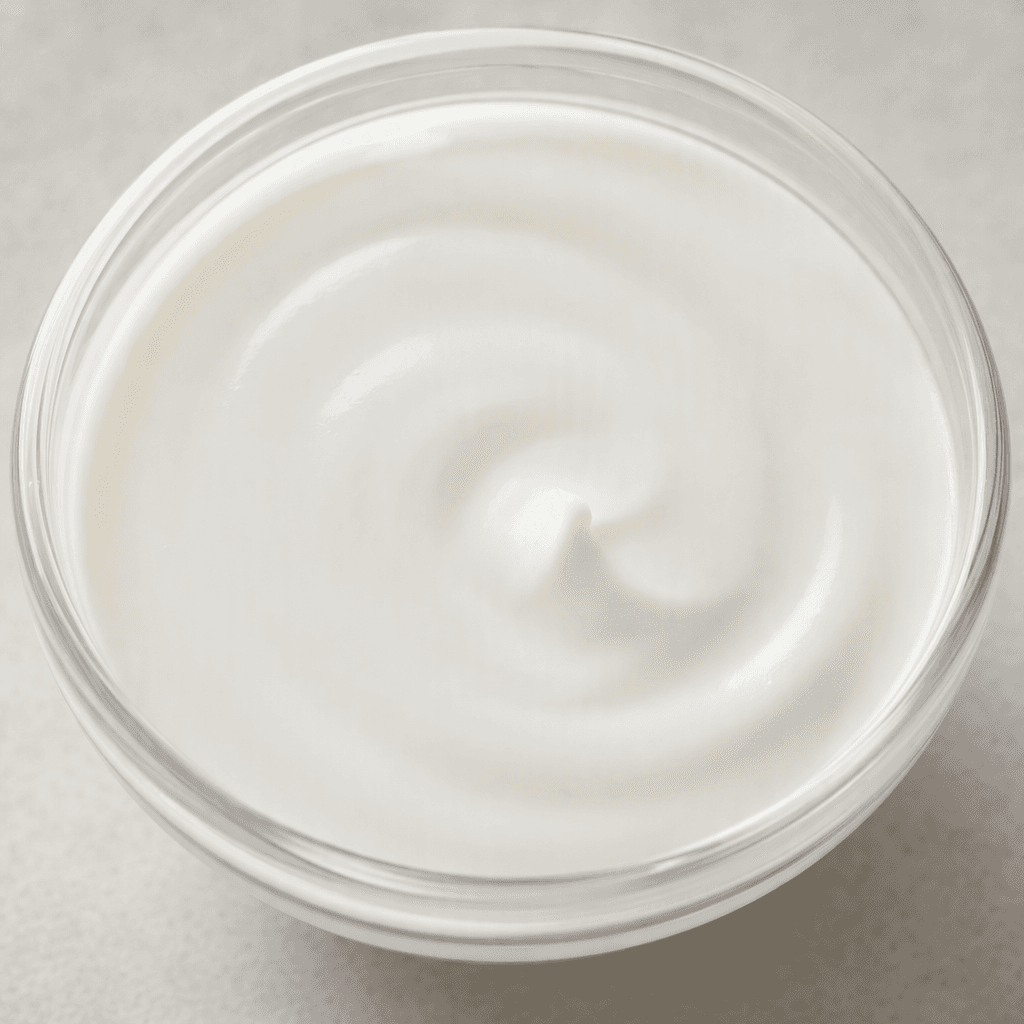
Coconut milk Calories
Plant-based milk, healthy fats, lactose-free
In season: Summer · Autumn
CALORIES
GI
POTASSIUM
FIBER
Quick answer
1 cup (medium) of Coconut milk (240 g) has 552 calories. That works out to 230 calories per 100 g. It contains 13.2 g of carbs, 5.5 g of protein, 57.1 g of fat and 5.3 g of fiber. Its 0.9 mg of Copper covers 104% of the Daily Value. Its glycemic index is 40 (low), so it raises blood sugar slowly.
What is Coconut milk?
Coconut milk is made by mixing or pressing grated mature coconut flesh with water and straining it. It is a staple in many South and Southeast Asian, Caribbean and other tropical cuisines. The rich, canned kind is mainly used for cooking, rather than poured as a glass of milk.
It has a smooth, creamy texture and a gentle coconut sweetness. Add it to curries, soups, rice dishes and desserts, or blend it into smoothies; in many places it is also used in drinks and baking. It is plant-based and lactose-free, with most of its energy coming from fat—23.8 g per 100 g. For a lighter sauce, thin it with water or stock, and balance its richness with lime or fresh herbs.
Coconut milk Nutrition Facts
Selected: 100 g
230
KCAL / 100G
Carbs
5.5g
· 2% DV
Protein
2.3g
· 5% DV
Fat
23.8g
· 31% DV
Fiber
2.2g
· 8% DV
DV is the share of the daily value covered, on a 2,000 kcal reference diet.
Calories come from: Carbs 9% · Protein 4% · Fat 87%
Coconut milk Vitamins & Minerals
Vitamins
B3
0.76mg · 5% DV
B5
0.18mg · 4% DV
Folate
16µg · 4% DV
B1
0.03mg · 3% DV
Minerals
Manganese
1mg · 43% DV
Phosphorus
90mg · 13% DV
Iron
2mg · 11% DV
Selenium
6µg · 11% DV
How Nutritious Is Coconut milk?
Nutrient density
Medium
How many vitamins, minerals and how much fiber this food carries per calorie. A high score means a lot of nutrition for few calories.
Satiety score
Low
An EatBetter score computed from fiber, protein and calorie density. A high score means staying full longer on the same calories.
Both scores are calculated per 100 g and do not change with the selected portion. The satiety score is EatBetter's own calculation, not a clinical measure.
Coconut milk Glycemic Index
GLYCEMIC INDEX
GLYCEMIC LOAD
Accounts for portion size — a more realistic measure than GI alone.
How to Burn Off Coconut milk
To burn the 230 calories in 100 g:
🚶
Walking (5 km/h)
🏃
Running (8 km/h)
🚴
Cycling
🏊
Swimming
Times are calculated with the MET equation for a 70 kg adult. Actual burn varies with your weight, age and pace.
Is Coconut milk Processed?
NOVA 2
Minimally Processed
1. Unprocessed
2. Minimally Processed
3. Processed
4. Ultra-Processed
NOVA classifies foods into 4 groups by industrial processing. NOVA 1 (unprocessed) is the healthiest.
Does Coconut milk Contain Allergens?
No known major allergens
Which Diets Is Coconut milk Good For?
Vegan
✓ Suitable
Vegetarian
✓ Suitable
Gluten-Free
✓ Suitable
Dairy-Free
— Not suitable
Mediterranean
✓ Suitable
Paleo
✓ Suitable
Whole30
— Not suitable
DASH
— Not suitable
Keto
✓ Suitable
Low FODMAP
— Not suitable
Coconut milk Fat Profile
SATURATED
21.3g
MONOUNSATURATED
1g
POLYUNSATURATED
0.2g
Omega 6:3 ratio 18:1
Above the ideal 4:1 (18:1).
Compare Coconut milk
Foods Similar to Coconut milk
Frequently Asked Questions About Coconut milk
What is the difference between coconut milk and coconut water?
Coconut milk is made by blending coconut flesh with water, while coconut water is the naturally occurring liquid inside a young coconut. They taste and behave differently in recipes: coconut milk is creamy and works in sauces, while coconut water is thin and refreshing.
Can you drink coconut milk straight from the can?
Yes, canned coconut milk can be consumed as it is, but its thick, rich texture is usually intended for cooking. Shake or stir it first, since the coconut fat may separate, and dilute it with water if you want a lighter drink.
What is the difference between coconut milk and coconut cream?
Coconut cream is thicker and more concentrated than coconut milk because it contains less water. Use coconut milk for pourable curries and soups; choose coconut cream when a recipe needs a richer texture or a topping that holds its shape.
Can you use coconut milk in curry?
Yes, coconut milk is a common ingredient in curries, where it gives the sauce a creamy texture and mild coconut flavor. Stir it in and simmer gently; prolonged boiling over high heat can make the sauce separate.
Does coconut milk work in coffee?
Yes, coconut milk works in coffee, though canned coconut milk can make a cup unusually rich. Carton coconut drinks are thinner and often easier to pour; add a little at a time and stir well to reduce the chance of separation.
How long does opened coconut milk last in the fridge?
Opened coconut milk generally keeps for a few days in the refrigerator when transferred to a clean, sealed container. Do not store it in the opened can, and follow the package instructions if they call for a shorter period.
Can you freeze coconut milk?
Yes, coconut milk can be frozen, but it may separate or turn grainy after thawing. Freeze it in usable portions, thaw it in the refrigerator, then whisk or blend it; the changed texture matters less in soups and cooked sauces.
Why does coconut milk curdle when heated?
Coconut milk can separate when exposed to high heat or prolonged boiling because its fat and water phases do not stay evenly mixed. Simmer it gently, stir regularly, and add acidic ingredients such as lime juice near the end of cooking.
Can coconut milk replace dairy milk in baking?
Yes, coconut milk can replace dairy milk in many baked goods, but it adds coconut flavor and may make the result richer. Use a thinner carton-style coconut drink when the recipe relies on ordinary milk’s lighter consistency.
Can coconut milk help with weight loss?
Coconut milk does not cause weight loss by itself. Full-fat canned coconut milk is very rich, so large amounts can add substantial energy to a meal; use a measured portion and account for it in the overall recipe.
Have another question about Coconut milk?
Ask the AI nutrition coach — calories, portions, alternatives and more, answered in seconds in the app.

Scan calories with your camera
Instant AI nutrition analysis

Nutrition data compiled from USDA FoodData Central and scientific sources.