

Ready & Packaged Foods
All →Vegetables & Legumes
All →Desserts & Confectionery
All →Meat & Protein
All →Grains & Bakery
All →Beverages
All →Milk & Dairy
All →

Oil Calories
Energy source, contains fatty acids
CALORIES
GI
POTASSIUM
FIBER
Quick answer
1 tablespoon (medium) of Oil (14 g) has 119 calories. That works out to 884 calories per 100 g. It contains 0 g of carbs, 0 g of protein, 13.5 g of fat and 0 g of fiber. Its 1.9 mg of Vitamin E covers 13% of the Daily Value. Its glycemic index is 0 (low), so it raises blood sugar slowly.
What is Oil?
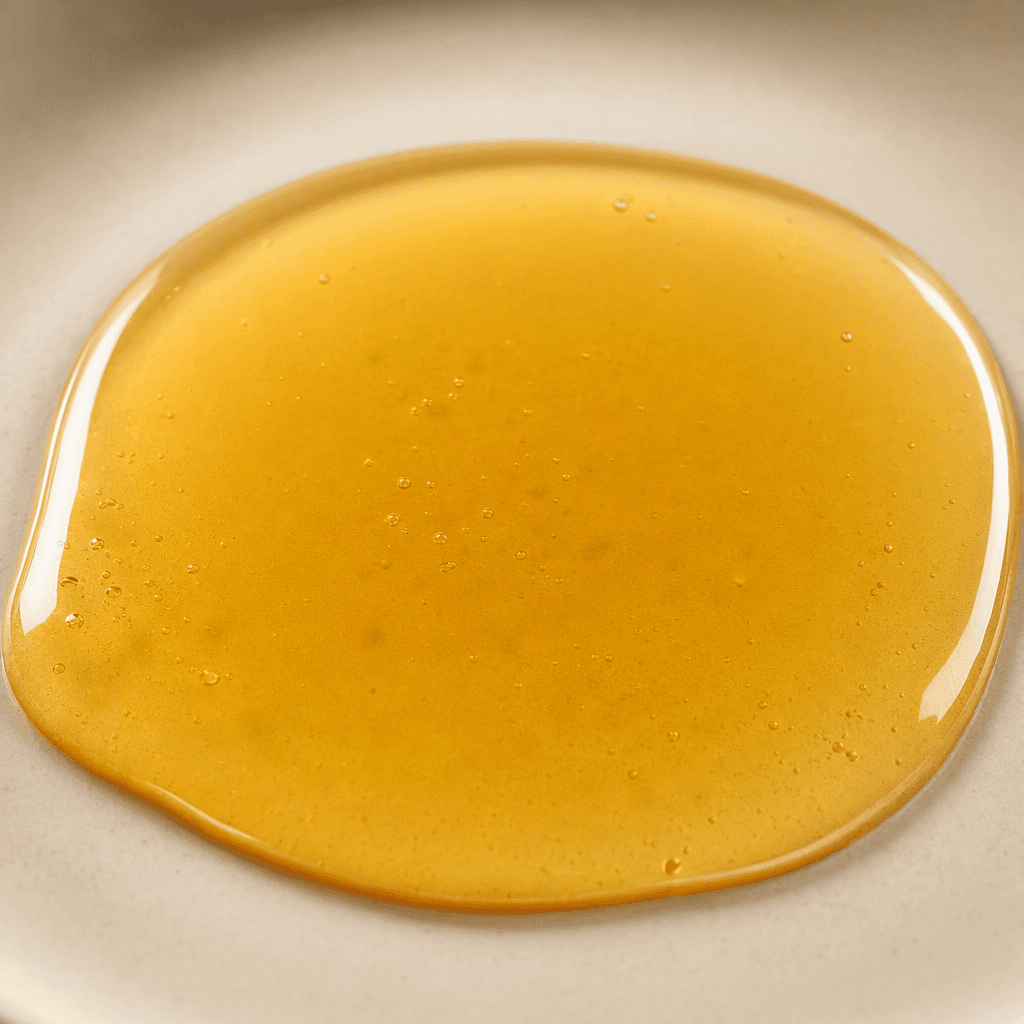
Oil is a liquid cooking fat, commonly made by extracting fat from seeds or fruits such as sunflower seeds or olives. The name can refer to many different oils, so its colour, aroma and flavour depend on the source and how it is prepared.
Across cuisines, oil is used for frying, sautéing, baking and dressing salads; some varieties are chosen for their neutral taste, while others add a distinct flavour. It is entirely fat and provides concentrated energy. Use it sparingly when you want a lighter dish, or pair a more aromatic oil with simple vegetables, bread or a salad.
Oil Nutrition Facts
Selected: 100 g
884
KCAL / 100G
Carbs
0g
· 0% DV
Protein
0g
· 0% DV
Fat
100g
· 128% DV
Fiber
0g
· 0% DV
DV is the share of the daily value covered, on a 2,000 kcal reference diet.
Calories come from: Carbs 0% · Protein 0% · Fat 100%
Oil Vitamins & Minerals
Vitamins
Vitamin E
14mg · 93% DV
Vitamin K
60µg · 50% DV
Vitamin A
0µg · 0% DV
B1
0mg · 0% DV
Minerals
Calcium
1mg · 0% DV
Iron
0mg · 0% DV
Magnesium
1mg · 0% DV
Zinc
0mg · 0% DV
How Nutritious Is Oil?
Nutrient density
Low
How many vitamins, minerals and how much fiber this food carries per calorie. A high score means a lot of nutrition for few calories.
Satiety score
Low
An EatBetter score computed from fiber, protein and calorie density. A high score means staying full longer on the same calories.
Both scores are calculated per 100 g and do not change with the selected portion. The satiety score is EatBetter's own calculation, not a clinical measure.
Oil Glycemic Index
GLYCEMIC INDEX
GLYCEMIC LOAD
Accounts for portion size — a more realistic measure than GI alone.
How to Burn Off Oil
To burn the 884 calories in 100 g:
🚶
Walking (5 km/h)
🏃
Running (8 km/h)
🚴
Cycling
🏊
Swimming
Times are calculated with the MET equation for a 70 kg adult. Actual burn varies with your weight, age and pace.
Is Oil Processed?
NOVA 3
Processed
1. Unprocessed
2. Minimally Processed
3. Processed
4. Ultra-Processed
NOVA classifies foods into 4 groups by industrial processing. NOVA 1 (unprocessed) is the healthiest.
Does Oil Contain Allergens?
No known major allergens
Which Diets Is Oil Good For?
Vegan
✓ Suitable
Vegetarian
✓ Suitable
Gluten-Free
✓ Suitable
Dairy-Free
— Not suitable
Mediterranean
✓ Suitable
Paleo
✓ Suitable
Whole30
— Not suitable
DASH
— Not suitable
Keto
✓ Suitable
Low FODMAP
— Not suitable
Oil Fat Profile
SATURATED
15g
MONOUNSATURATED
70g
POLYUNSATURATED
15g
Omega 6:3 ratio 20:1
Above the ideal 4:1 (20:1).
Compare Oil
Foods Similar to Oil
Frequently Asked Questions About Oil
What is the healthiest oil to cook with?
There is no single healthiest oil for every use: oils differ in their fatty-acid profiles and how well they handle heat. Olive oil works well for many everyday dishes, while the best choice for deep-frying depends on the oil and cooking temperature.
Can you reuse cooking oil after frying?
Yes, you can reuse frying oil if it has not overheated and is strained and stored safely. Discard it if it smells rancid, has become unusually dark, foams heavily, or starts smoking at a lower heat than before.
Does cooking oil go bad?
Yes, cooking oil can go rancid, especially when exposed to heat, light, and air. A sharp, stale, or paint-like smell and an unpleasant taste are signs to throw it out rather than use it in food.
Should cooking oil be refrigerated after opening?
Usually, no; most cooking oils keep well in a tightly closed container in a cool, dark cupboard. Refrigeration can make some oils cloudy or solid, but they generally return to their usual appearance at room temperature.
Why does my cooking oil foam when frying?
Cooking oil often foams because it contains moisture, food debris, or has started to break down. Dry food before frying and strain oil after use; if the foam persists or the oil smells off, discard it.
Can you pour cooking oil down the sink?
No, cooking oil should not go down the sink because it can build up in pipes and cause blockages. Let used oil cool, collect it in a sealed container, and take it to a local collection point if one is available.
Can cooking oil catch fire?
Yes, cooking oil can catch fire if it gets hot enough, so do not leave a pan of oil unattended. If oil ignites, turn off the heat if safe and cover the pan with a metal lid; never pour water on it.
Does cooking oil freeze?
Yes, some cooking oils become cloudy or solid when chilled, and the temperature varies by oil type. They usually become clear and liquid again at room temperature; this change alone does not mean the oil has spoiled.
Can you cook with extra-virgin olive oil?
Yes, extra-virgin olive oil is suitable for many everyday cooking methods, including sautéing and roasting. Its flavor and heat tolerance differ from refined oils, so avoid letting it smoke and choose another oil if a recipe requires prolonged, very high heat.
Does cooking oil make you gain weight?
Eating more oil can contribute to weight gain because it adds substantial energy to meals, even when mixed into food rather than eaten on its own. Measuring oil instead of pouring freely is a simple way to keep portions in check.
Have another question about Oil?
Ask the AI nutrition coach — calories, portions, alternatives and more, answered in seconds in the app.

Scan calories with your camera
Instant AI nutrition analysis

Nutrition data compiled from USDA FoodData Central and scientific sources.