

Ready & Packaged Foods
All →Vegetables & Legumes
All →Desserts & Confectionery
All →Meat & Protein
All →Grains & Bakery
All →Beverages
All →Milk & Dairy
All →

MCT Oil Calories
Fast energy, keto-friendly, easily digestible fat
CALORIES
GI
POTASSIUM
FIBER
Quick answer
1 tablespoon (medium) of MCT Oil (14 g) has 116 calories. That works out to 860 calories per 100 g. It contains 0 g of carbs, 0 g of protein, 13.5 g of fat and 0 g of fiber. Its glycemic index is 0 (low), so it raises blood sugar slowly.
What is MCT Oil?
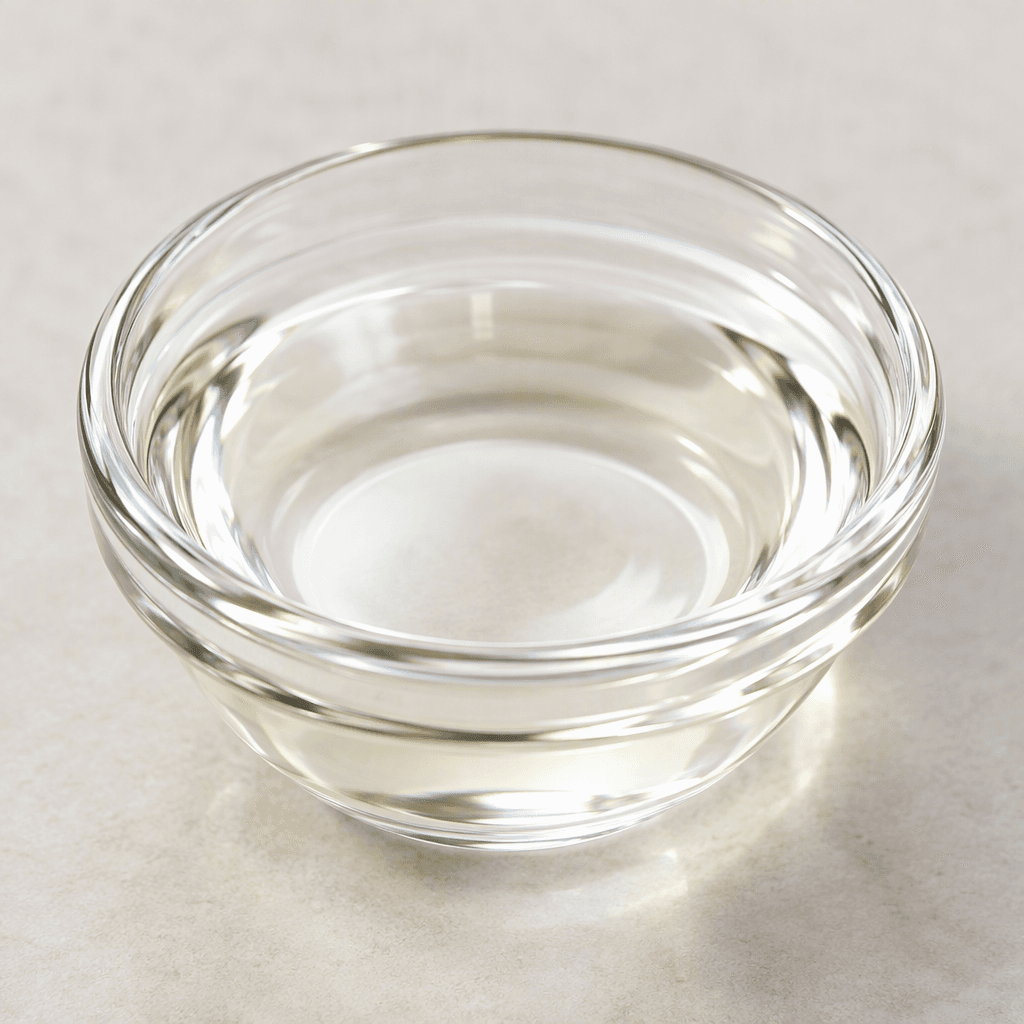
MCT oil is a clear, nearly flavourless oil concentrated in medium-chain triglycerides, usually made from coconut oil or palm kernel oil. It is sold as a cooking ingredient and dietary oil, rather than being a traditional staple in most cuisines.
Its thin, smooth texture makes it easy to stir into coffee, smoothies or yoghurt, or drizzle over food after cooking. A tablespoon is about 13.5 g. It contains only fat, with no carbohydrate or protein, so it is energy-dense; people following ketogenic diets often choose it for that reason. If you are trying it for the first time, begin with a small amount, and use it as a finishing addition rather than your main frying oil.
MCT Oil Nutrition Facts
Selected: 100 g
860
KCAL / 100G
Carbs
0g
· 0% DV
Protein
0g
· 0% DV
Fat
100g
· 128% DV
Fiber
0g
· 0% DV
DV is the share of the daily value covered, on a 2,000 kcal reference diet.
Calories come from: Carbs 0% · Protein 0% · Fat 100%
MCT Oil Vitamins & Minerals
Vitamins
Vitamin E
0.2mg · 1% DV
Vitamin A
0µg · 0% DV
B1
0mg · 0% DV
B2
0mg · 0% DV
Minerals
Calcium
0mg · 0% DV
Iron
0mg · 0% DV
Magnesium
0mg · 0% DV
Zinc
0mg · 0% DV
How Nutritious Is MCT Oil?
Nutrient density
Low
How many vitamins, minerals and how much fiber this food carries per calorie. A high score means a lot of nutrition for few calories.
Satiety score
Low
An EatBetter score computed from fiber, protein and calorie density. A high score means staying full longer on the same calories.
Both scores are calculated per 100 g and do not change with the selected portion. The satiety score is EatBetter's own calculation, not a clinical measure.
MCT Oil Glycemic Index
GLYCEMIC INDEX
GLYCEMIC LOAD
Accounts for portion size — a more realistic measure than GI alone.
How to Burn Off MCT Oil
To burn the 860 calories in 100 g:
🚶
Walking (5 km/h)
🏃
Running (8 km/h)
🚴
Cycling
🏊
Swimming
Times are calculated with the MET equation for a 70 kg adult. Actual burn varies with your weight, age and pace.
Is MCT Oil Processed?
NOVA 3
Processed
1. Unprocessed
2. Minimally Processed
3. Processed
4. Ultra-Processed
NOVA classifies foods into 4 groups by industrial processing. NOVA 1 (unprocessed) is the healthiest.
Does MCT Oil Contain Allergens?
No known major allergens
Which Diets Is MCT Oil Good For?
Vegan
— Not suitable
Vegetarian
— Not suitable
Gluten-Free
✓ Suitable
Dairy-Free
— Not suitable
Mediterranean
✓ Suitable
Paleo
✓ Suitable
Whole30
— Not suitable
DASH
— Not suitable
Keto
✓ Suitable
Low FODMAP
— Not suitable
MCT Oil Fat Profile
SATURATED
98g
MONOUNSATURATED
1.5g
POLYUNSATURATED
0.5g
Compare MCT Oil
Foods Similar to MCT Oil
Frequently Asked Questions About MCT Oil
What is MCT oil made from?
MCT oil is concentrated medium-chain triglycerides, usually extracted from coconut oil or palm kernel oil. It is sold as a liquid, and its composition is different from that of the original oils because longer-chain fats are largely removed.
Can you put MCT oil in coffee?
Yes, you can stir MCT oil into coffee or blend it for a smoother drink. Start with a small amount, since a large serving can cause digestive discomfort, especially if you are not used to it.
How is MCT oil different from coconut oil?
MCT oil contains concentrated medium-chain fats, while coconut oil also contains other types of fatty acids. MCT oil is typically liquid at room temperature and has a milder taste, so it behaves differently in recipes.
Can you cook with MCT oil?
MCT oil works well in cold dressings, smoothies, and drinks, or added to food after cooking. It is not a good choice for high-heat frying, since overheating can make it smoke and affect its quality.
Does MCT oil help you get into ketosis?
MCT oil can be used as a fat source on a ketogenic diet, and the body processes it relatively quickly. It does not guarantee ketosis by itself; your overall carbohydrate intake and eating pattern still matter.
Can MCT oil cause diarrhea?
Yes, MCT oil can cause diarrhea, stomach cramps, nausea, or bloating, particularly when you take too much at once. Begin with a small amount and increase gradually only if you tolerate it comfortably.
Does MCT oil break a fast?
Yes, MCT oil contains energy, so it breaks a strict fast that allows no calories. Adding it to coffee does not change that; whether it fits your routine depends on how you define and follow your fasting window.
Can you use MCT oil for baking?
You can use MCT oil in some baked recipes, but it may not behave like butter or solid coconut oil because it stays liquid. Follow a recipe designed for liquid oil rather than swapping it in for every fat.
Is MCT oil the same as a coconut oil supplement?
No, MCT oil is not simply another name for coconut oil. It is a concentrated oil made from selected medium-chain fats, whereas coconut oil retains a broader mix of fatty acids and its characteristic flavor.
How should you store MCT oil after opening?
Keep MCT oil tightly capped in a cool, dark cupboard, away from sunlight and heat. Follow the bottle’s instructions for use after opening, and avoid leaving the container beside a stove or in a warm car.
Have another question about MCT Oil?
Ask the AI nutrition coach — calories, portions, alternatives and more, answered in seconds in the app.

Scan calories with your camera
Instant AI nutrition analysis

Nutrition data compiled from USDA FoodData Central and scientific sources.