

Ready & Packaged Foods
All →Vegetables & Legumes
All →Desserts & Confectionery
All →Meat & Protein
All →Grains & Bakery
All →Beverages
All →Milk & Dairy
All →

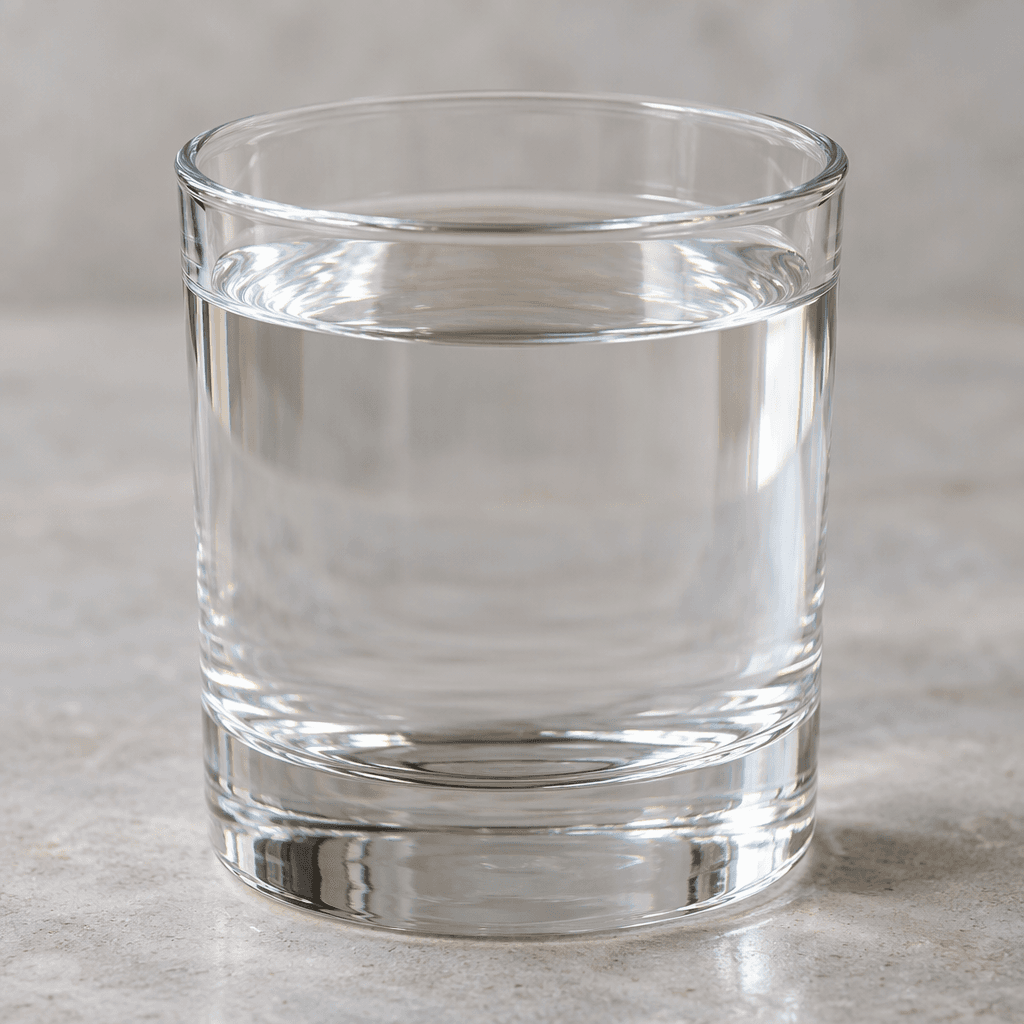
Soju Calories
Distilled Korean alcoholic beverage
CALORIES
GI
POTASSIUM
FIBER
Quick answer
1 bottle (whole) of Soju (360 g) has 482 calories. That works out to 134 calories per 100 g. It contains 0.7 g of carbs, 0 g of protein, 0 g of fat and 0 g of fiber. Its glycemic index is 0 (low), so it raises blood sugar slowly.
What is Soju?
Soju is a clear Korean distilled spirit, traditionally made from rice and now also produced from other starches. Many widely available versions are diluted with water, giving them a lighter, less pungent character than stronger spirits; some modern varieties have added sweetness or fruit flavour.
In Korea, it is commonly poured into small glasses and shared with a meal. Elsewhere, including in English-speaking countries, you may find it in Korean restaurants, served chilled or mixed into cocktails. Its flavour is usually clean and mild, though styles vary. It provides energy mainly from alcohol, with virtually no protein or fibre. Try a small serving alongside spicy, savoury dishes, or use it in a cocktail if you prefer a longer drink.
Soju Nutrition Facts
Selected: 100 g
134
KCAL / 100G
Carbs
0.2g
· 0% DV
Protein
0g
· 0% DV
Fat
0g
· 0% DV
Fiber
0g
· 0% DV
DV is the share of the daily value covered, on a 2,000 kcal reference diet.
Calories come from: Carbs 100% · Protein 0% · Fat 0%
Soju Vitamins & Minerals
Vitamins
Vitamin A
0µg · 0% DV
B1
0mg · 0% DV
B2
0mg · 0% DV
B3
0mg · 0% DV
Minerals
Calcium
0mg · 0% DV
Iron
0mg · 0% DV
Magnesium
0mg · 0% DV
Zinc
0mg · 0% DV
How Nutritious Is Soju?
Nutrient density
Low
How many vitamins, minerals and how much fiber this food carries per calorie. A high score means a lot of nutrition for few calories.
Satiety score
Low
An EatBetter score computed from fiber, protein and calorie density. A high score means staying full longer on the same calories.
Both scores are calculated per 100 g and do not change with the selected portion. The satiety score is EatBetter's own calculation, not a clinical measure.
Soju Glycemic Index
GLYCEMIC INDEX
GLYCEMIC LOAD
Accounts for portion size — a more realistic measure than GI alone.
How to Burn Off Soju
To burn the 134 calories in 100 g:
🚶
Walking (5 km/h)
🏃
Running (8 km/h)
🚴
Cycling
🏊
Swimming
Times are calculated with the MET equation for a 70 kg adult. Actual burn varies with your weight, age and pace.
Is Soju Processed?
NOVA 3
Processed
1. Unprocessed
2. Minimally Processed
3. Processed
4. Ultra-Processed
NOVA classifies foods into 4 groups by industrial processing. NOVA 1 (unprocessed) is the healthiest.
Does Soju Contain Allergens?
No known major allergens
Which Diets Is Soju Good For?
Vegan
✓ Suitable
Vegetarian
✓ Suitable
Gluten-Free
✓ Suitable
Dairy-Free
— Not suitable
Mediterranean
— Not suitable
Paleo
— Not suitable
Whole30
— Not suitable
DASH
— Not suitable
Keto
— Not suitable
Low FODMAP
— Not suitable
Soju Fat Profile
SATURATED
0g
MONOUNSATURATED
0g
POLYUNSATURATED
0g
Compare Soju
Foods Similar to Soju
Frequently Asked Questions About Soju
What does soju taste like?
Soju usually tastes clean, mild, and slightly sweet, with a fairly neutral finish. Traditional distilled styles can have more grain character, while fruit-flavored soju is noticeably sweeter and more aromatic.
How do you drink soju?
Soju is commonly served chilled in small glasses and sipped or taken as a shot. At a Korean meal, people often pour for one another rather than filling their own glass, especially when dining with older guests.
How strong is soju?
Soju strength varies by style and brand. Many widely sold modern bottles fall around 12–25% alcohol by volume, while traditional distilled soju can be stronger; check the bottle for the specific ABV.
What do you mix with soju?
Soju mixes well with soda water, tonic, citrus juice, or fruit juice. A simple combination is soju, lemon or lime juice, and soda; fruit-flavored soju is already sweet, so it may not need extra syrup.
What food goes well with soju?
Soju pairs especially well with Korean barbecue, fried chicken, savory pancakes called jeon, and spicy stews. Its relatively clean taste works as a counterpoint to rich or strongly seasoned dishes.
How is soju made?
Traditional soju is made by fermenting grains such as rice and then distilling the resulting alcohol. Much of the soju sold today is made by diluting neutral spirits with water, sometimes with added sweeteners or flavorings.
Is soju the same as vodka?
No. Soju and vodka are both distilled spirits, but they differ in tradition, typical strength, and flavor: many modern sojus are milder and slightly sweet, while vodka is usually stronger and more neutral.
What is the difference between soju and sake?
Soju is distilled, whereas sake is brewed from fermented rice and is not distilled. Soju is generally stronger and more spirit-like; sake usually has a more noticeable rice character and a wine-like profile.
Can you get drunk from soju?
Yes, soju can make you drunk because it contains alcohol, even when a particular style tastes mild or sweet. Drink slowly, avoid mixing it with other alcohol, and do not drive after drinking.
Does soju need to be refrigerated after opening?
Refrigeration is not essential for safety, but it helps keep opened soju tasting fresh. Close the bottle tightly and store it in the refrigerator; exposure to air and strong odors can gradually affect its flavor.
Have another question about Soju?
Ask the AI nutrition coach — calories, portions, alternatives and more, answered in seconds in the app.

Scan calories with your camera
Instant AI nutrition analysis

Nutrition data compiled from USDA FoodData Central and scientific sources.