

Ready & Packaged Foods
All →Vegetables & Legumes
All →Desserts & Confectionery
All →Meat & Protein
All →Grains & Bakery
All →Beverages
All →Milk & Dairy
All →

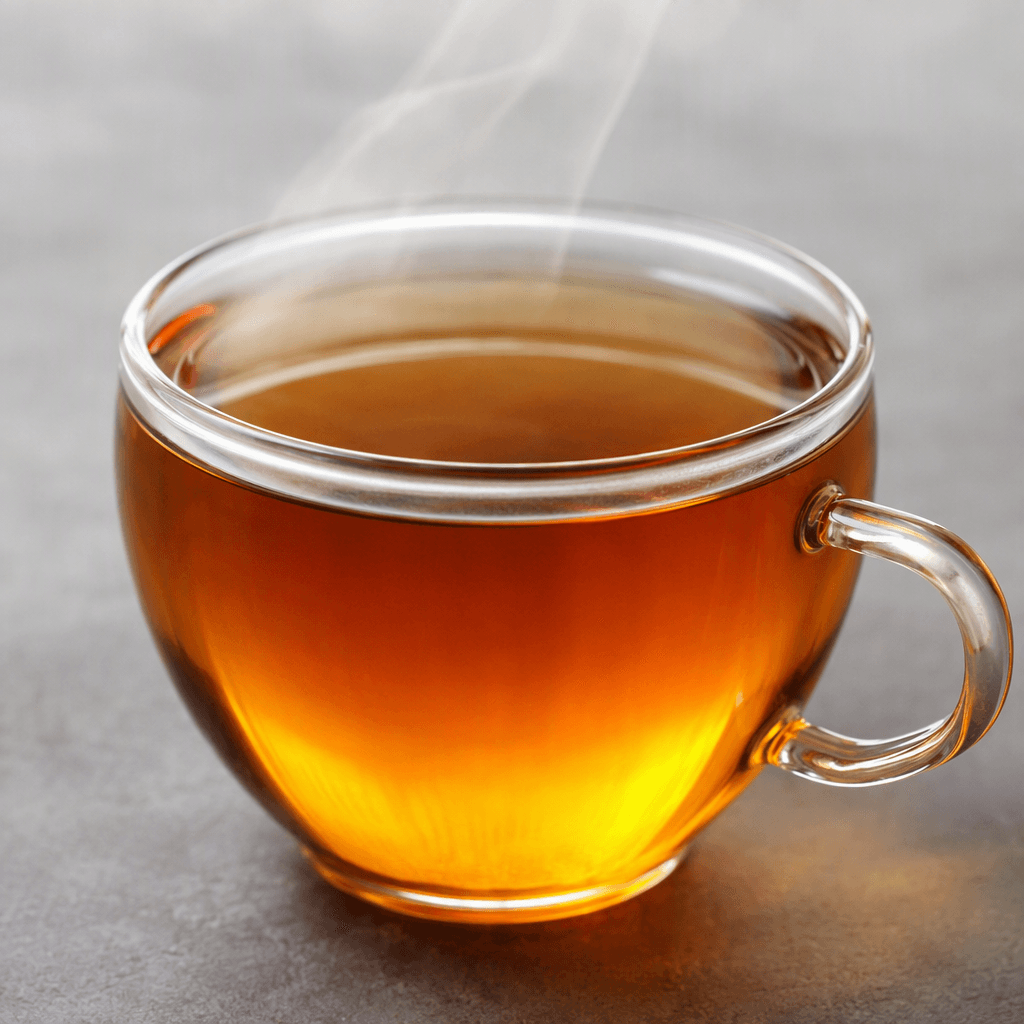
Tea Calories
Antioxidants, low calorie, hot beverage
In season: Spring · Summer · Autumn · Winter
CALORIES
GI
POTASSIUM
FIBER
Quick answer
1 cup (medium) of Tea (240 g) has 2 calories. That works out to 1 calories per 100 g. It contains 0.5 g of carbs, 0.2 g of protein, 0 g of fat and 0 g of fiber. Its 0.7 mg of Manganese covers 31% of the Daily Value. Its glycemic index is 0 (low), so it raises blood sugar slowly.
What is Tea?
Tea is an infusion made by steeping the leaves of the tea plant in hot water. The plant originated in East Asia, while Turkish tea is strongly associated with the Black Sea coast, especially Rize, where the leaves are grown and made into a robust black tea.
It is usually served hot, often strong and poured into small tulip-shaped glasses; across the world, people also enjoy it with milk, lemon or simply plain. In Turkey it is an everyday drink at breakfast and during visits, commonly paired with pastries or biscuits. Plain tea is very low in calories and contains antioxidant compounds. For a lighter cup, steep it less strongly and skip sweeteners.
Tea Nutrition Facts
Selected: 100 g
1
KCAL / 100G
Carbs
0.2g
· 0% DV
Protein
0.1g
· 0% DV
Fat
0g
· 0% DV
Fiber
0g
· 0% DV
DV is the share of the daily value covered, on a 2,000 kcal reference diet.
Calories come from: Carbs 67% · Protein 33% · Fat 0%
Tea Vitamins & Minerals
Vitamins
B2
0.02mg · 2% DV
B1
0.01mg · 1% DV
B3
0.1mg · 1% DV
B6
0.01mg · 1% DV
Minerals
Calcium
3mg · 0% DV
Iron
0mg · 0% DV
Magnesium
1mg · 0% DV
Zinc
0mg · 0% DV
How Nutritious Is Tea?
Nutrient density
Low
How many vitamins, minerals and how much fiber this food carries per calorie. A high score means a lot of nutrition for few calories.
Satiety score
Medium
An EatBetter score computed from fiber, protein and calorie density. A high score means staying full longer on the same calories.
Both scores are calculated per 100 g and do not change with the selected portion. The satiety score is EatBetter's own calculation, not a clinical measure.
Tea Glycemic Index
GLYCEMIC INDEX
GLYCEMIC LOAD
Accounts for portion size — a more realistic measure than GI alone.
How to Burn Off Tea
To burn the 1 calories in 100 g:
🚶
Walking (5 km/h)
🏃
Running (8 km/h)
🚴
Cycling
🏊
Swimming
Times are calculated with the MET equation for a 70 kg adult. Actual burn varies with your weight, age and pace.
Is Tea Processed?
NOVA 2
Minimally Processed
1. Unprocessed
2. Minimally Processed
3. Processed
4. Ultra-Processed
NOVA classifies foods into 4 groups by industrial processing. NOVA 1 (unprocessed) is the healthiest.
Does Tea Contain Allergens?
No known major allergens
Which Diets Is Tea Good For?
Vegan
✓ Suitable
Vegetarian
✓ Suitable
Gluten-Free
✓ Suitable
Dairy-Free
— Not suitable
Mediterranean
✓ Suitable
Paleo
✓ Suitable
Whole30
— Not suitable
DASH
— Not suitable
Keto
✓ Suitable
Low FODMAP
— Not suitable
Tea Fat Profile
SATURATED
0g
MONOUNSATURATED
0g
POLYUNSATURATED
0g
Compare Tea
Foods Similar to Tea
Frequently Asked Questions About Tea
Does tea contain caffeine?
Yes, most tea made from tea leaves contains caffeine. The amount varies with the tea type, leaf quantity, and brewing time; herbal infusions such as peppermint are not true tea and are usually caffeine-free.
Is tea good for you?
Yes, unsweetened tea can be part of a healthy routine and provides plant compounds called polyphenols. Its benefits do not make it a treatment, and adding lots of sugar changes the drink substantially.
How long should tea steep?
Most tea is ready after a few minutes of steeping, but the ideal time depends on the type and how strong you like it. Follow the tea’s directions, since prolonged steeping can make it bitter.
Does tea count toward your daily water intake?
Yes, tea contributes to your fluid intake. Its caffeine does not cancel out the water in the drink, so ordinary servings can help keep you hydrated.
Can you drink tea before bed?
Yes, but caffeinated tea may interfere with sleep, especially if you are sensitive to caffeine. Choose a caffeine-free herbal infusion or have your last regular tea earlier in the day.
Why does tea taste bitter?
Tea often tastes bitter when it is steeped too long or brewed with water that is too hot for that variety. Shorten the steeping time and use the brewing temperature recommended for the tea.
Can you add milk to tea?
Yes, milk can be added to tea; it softens the flavor and is a familiar choice in many tea-drinking traditions. Add it after brewing so you can control the strength and taste.
Does tea reduce iron absorption?
Yes, compounds in tea can reduce the absorption of non-heme iron, the kind found in plant foods. If you are trying to improve iron intake, drink tea between meals rather than with an iron-rich meal.
How should you store tea after brewing?
Refrigerate leftover brewed tea promptly in a clean, covered container and drink it within a few days. Tea left at room temperature for a long time is better discarded.
Can tea stain your teeth?
Yes, tea can leave surface stains because it contains tannins and dark pigments. Rinsing your mouth with water after drinking may help reduce staining over time.
Have another question about Tea?
Ask the AI nutrition coach — calories, portions, alternatives and more, answered in seconds in the app.

Scan calories with your camera
Instant AI nutrition analysis

Nutrition data compiled from USDA FoodData Central and scientific sources.