

Ready & Packaged Foods
All →Vegetables & Legumes
All →Desserts & Confectionery
All →Meat & Protein
All →Grains & Bakery
All →Beverages
All →Milk & Dairy
All →

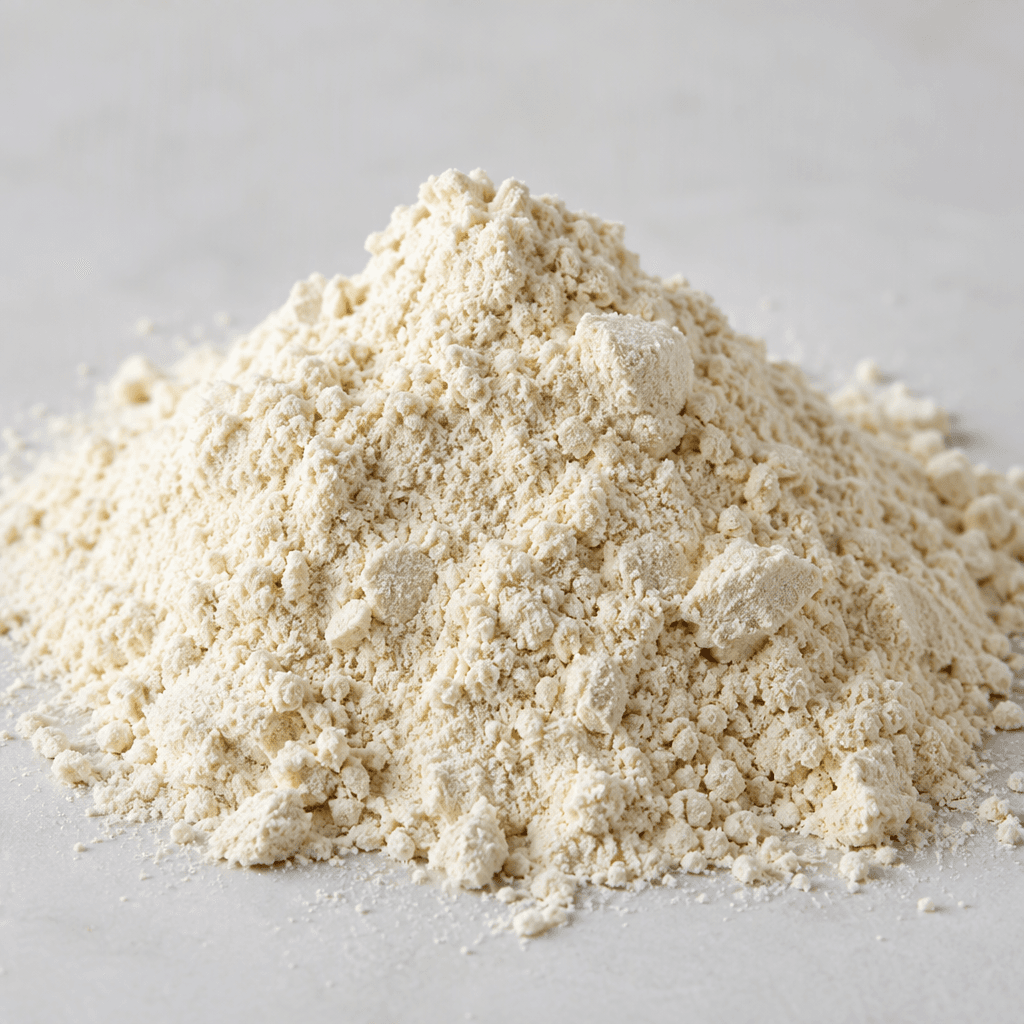
Proteinocean protein powder Calories
High protein, low fat, sports supplement
CALORIES
GI
POTASSIUM
FIBER
Quick answer
1 slice (medium) of Proteinocean protein powder (30 g) has 117 calories. That works out to 390 calories per 100 g. It contains 2.1 g of carbs, 23.4 g of protein, 1.2 g of fat and 0.5 g of fiber. Its 96 mg of Phosphorus covers 14% of the Daily Value. Its glycemic index is 30 (low), so it raises blood sugar slowly.
What is Proteinocean protein powder?
Proteinocean protein powder is a sports supplement designed to add protein to drinks and meals. Its fine, dry texture makes it easy to stir or blend into a shake; check the package for the product’s specific ingredients and preparation guidance.
It is commonly mixed with water or milk after a workout, or added to a breakfast smoothie, porridge or yoghurt. The liquid you choose changes the flavour and consistency: water keeps a shake lighter, while milk or yoghurt makes it richer. The powder is high in protein and low in fat, with 78 g of protein and 4 g of fat per 100 g. It can be a convenient addition when you want more protein in your routine, rather than a replacement for a meal.
Proteinocean protein powder Nutrition Facts
Selected: 100 g
390
KCAL / 100G
Carbs
7g
· 3% DV
Protein
78g
· 156% DV
Fat
4g
· 5% DV
Fiber
1.5g
· 5% DV
DV is the share of the daily value covered, on a 2,000 kcal reference diet.
Calories come from: Carbs 7% · Protein 83% · Fat 10%
Proteinocean protein powder Vitamins & Minerals
Vitamins
B12
0.7µg · 29% DV
B2
0.25mg · 19% DV
B1
0.15mg · 13% DV
B6
0.2mg · 12% DV
Minerals
Phosphorus
320mg · 46% DV
Calcium
350mg · 35% DV
Magnesium
80mg · 19% DV
Potassium ⭐
420mg · 12% DV
How Nutritious Is Proteinocean protein powder?
Nutrient density
High
How many vitamins, minerals and how much fiber this food carries per calorie. A high score means a lot of nutrition for few calories.
Satiety score
Medium
An EatBetter score computed from fiber, protein and calorie density. A high score means staying full longer on the same calories.
Both scores are calculated per 100 g and do not change with the selected portion. The satiety score is EatBetter's own calculation, not a clinical measure.
Proteinocean protein powder Glycemic Index
GLYCEMIC INDEX
GLYCEMIC LOAD
Accounts for portion size — a more realistic measure than GI alone.
How to Burn Off Proteinocean protein powder
To burn the 390 calories in 100 g:
🚶
Walking (5 km/h)
🏃
Running (8 km/h)
🚴
Cycling
🏊
Swimming
Times are calculated with the MET equation for a 70 kg adult. Actual burn varies with your weight, age and pace.
Is Proteinocean protein powder Processed?
NOVA 3
Processed
1. Unprocessed
2. Minimally Processed
3. Processed
4. Ultra-Processed
NOVA classifies foods into 4 groups by industrial processing. NOVA 1 (unprocessed) is the healthiest.
Does Proteinocean protein powder Contain Allergens?
Contains these allergens:
Which Diets Is Proteinocean protein powder Good For?
Vegan
— Not suitable
Vegetarian
✓ Suitable
Gluten-Free
— Not suitable
Dairy-Free
— Not suitable
Mediterranean
— Not suitable
Paleo
— Not suitable
Whole30
— Not suitable
DASH
— Not suitable
Keto
— Not suitable
Low FODMAP
— Not suitable
Proteinocean protein powder Fat Profile
SATURATED
2.2g
MONOUNSATURATED
1.1g
POLYUNSATURATED
0.3g
Omega 6:3 ratio 2:1
Below the ideal 4:1 — a good omega balance.
Compare Proteinocean protein powder
Foods Similar to Proteinocean protein powder
Frequently Asked Questions About Proteinocean protein powder
What is Proteinocean protein powder made from?
Proteinocean protein powder is a dairy-containing protein supplement, but its exact protein source can vary by product variety. Check the ingredients for the specific tub to see whether it uses whey or another dairy protein and what else is included.
How do you mix Proteinocean protein powder without lumps?
Add liquid to a shaker first, then add Proteinocean protein powder and shake until smooth. A blender also works well; when stirring it into thick yogurt or oatmeal, add the powder gradually rather than all at once.
Can you take Proteinocean protein powder on rest days?
Yes, you can use Proteinocean protein powder on rest days if it helps you meet your usual protein needs. Muscles recover between workouts too, but the supplement is optional and does not replace meals or a varied diet.
Can Proteinocean protein powder be baked into recipes?
Yes, Proteinocean protein powder can be added to pancakes, muffins, or oatmeal. It may make baked goods denser or drier, so replace only part of the flour and adjust the liquid rather than swapping it for all the flour.
Is Proteinocean protein powder a meal replacement?
No, Proteinocean protein powder by itself is not a complete meal; it supplies protein but may not provide the range of nutrients and lasting fullness of a balanced meal. Blend it with foods such as fruit, oats, or yogurt for a more substantial snack.
Does Proteinocean protein powder need to be taken immediately after a workout?
No, Proteinocean protein powder does not have to be taken immediately after exercise. Having it at a convenient time that supports your overall eating pattern is practical; a full meal can also provide protein after training.
Can Proteinocean protein powder be mixed with coffee?
Yes, Proteinocean protein powder can be mixed into coffee, but very hot liquid may make it clump. First dissolve the powder in a little cool or room-temperature liquid, then stir that mixture into the coffee.
Can people with lactose intolerance use Proteinocean protein powder?
Not everyone with lactose intolerance will tolerate Proteinocean protein powder equally, and its dairy allergen does not by itself tell you how much lactose a variety contains. Review the specific product information, especially if even small amounts trigger symptoms.
How should you store Proteinocean protein powder after opening?
Keep Proteinocean protein powder tightly sealed in a cool, dry place after opening. Moisture can cause clumping and affect the powder, so use a dry scoop and avoid storing the container beside a steaming kettle or stove.
Should people with kidney disease use Proteinocean protein powder?
People with kidney disease should ask their doctor or dietitian before using Proteinocean protein powder. Protein needs and restrictions vary with kidney function and treatment, so a clinician can assess whether it fits their individual diet.
Have another question about Proteinocean protein powder?
Ask the AI nutrition coach — calories, portions, alternatives and more, answered in seconds in the app.

Scan calories with your camera
Instant AI nutrition analysis

Nutrition data compiled from USDA FoodData Central and scientific sources.