

Ready & Packaged Foods
All →Vegetables & Legumes
All →Desserts & Confectionery
All →Meat & Protein
All →Grains & Bakery
All →Beverages
All →Milk & Dairy
All →

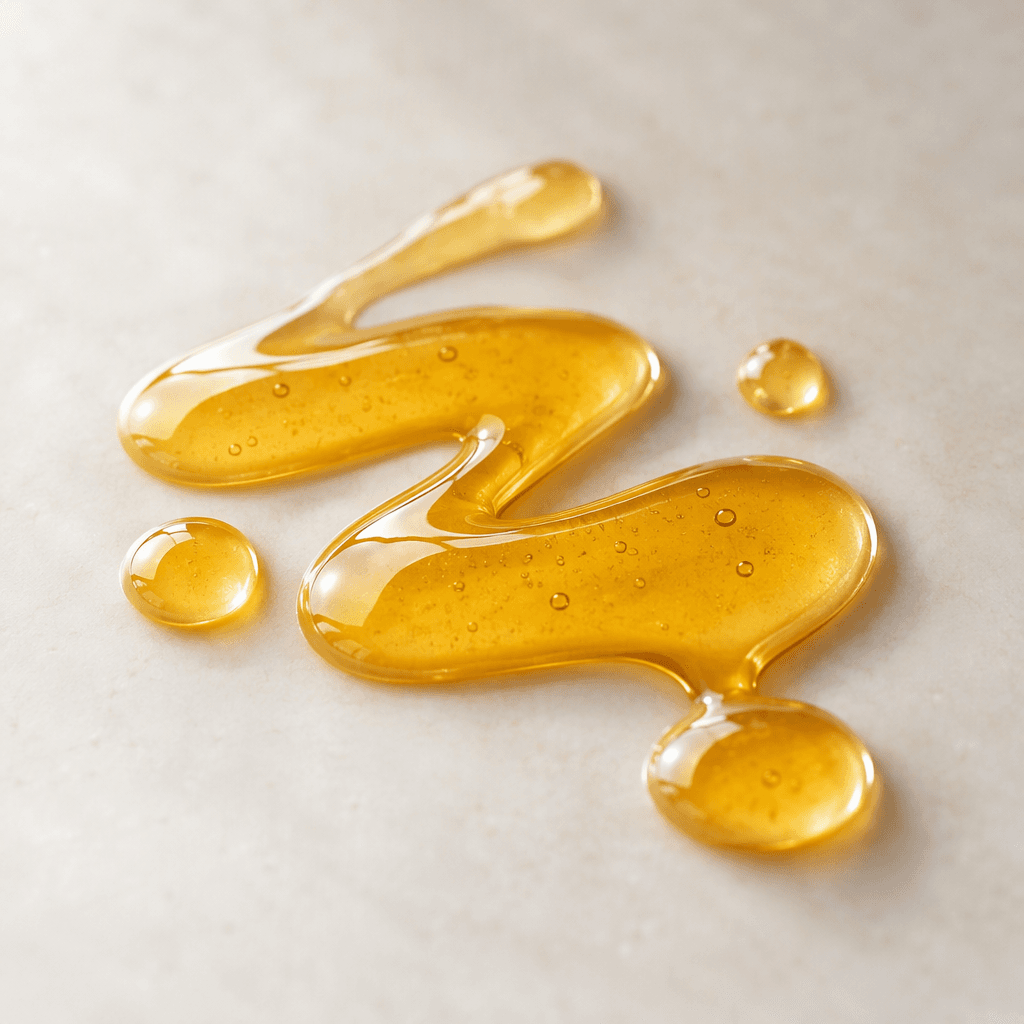
Honey (low amount) Calories
Low amount of honey, natural sweetener, quick energy source
In season: Spring · Summer · Autumn
CALORIES
GI
POTASSIUM
FIBER
Quick answer
1 teaspoon (small) of Honey (low amount) (7 g) has 21 calories. That works out to 304 calories per 100 g. It contains 5.8 g of carbs, 0 g of protein, 0 g of fat and 0 g of fiber. Its glycemic index is 58 (high), so it raises blood sugar quickly.
What is Honey (low amount)?
A small amount of honey is made by bees from flower nectar. Its colour and flavour vary with the plants available to the bees, from delicate and floral to darker, more robust varieties. It has a thick, glossy texture and a sweetness that stands out even in a small drizzle.
Around the world, people spread it on toast, stir it into porridge or yoghurt, or use a little to sweeten tea. Honey is mostly carbohydrate, so a small spoonful can add plenty of sweetness without needing much. Try it with plain yoghurt, oats or citrus; for a less sweet result, start with just a drizzle.
Honey (low amount) Nutrition Facts
Selected: 100 g
304
KCAL / 100G
Carbs
82.4g
· 30% DV
Protein
0.3g
· 1% DV
Fat
0g
· 0% DV
Fiber
0.2g
· 1% DV
DV is the share of the daily value covered, on a 2,000 kcal reference diet.
Calories come from: Carbs 100% · Protein 0% · Fat 0%
Honey (low amount) Vitamins & Minerals
Vitamins
B2
0.04mg · 3% DV
Biotin
0.5µg · 2% DV
B1
0.01mg · 1% DV
B3
0.12mg · 1% DV
Minerals
Potassium ⭐
52mg · 2% DV
Calcium
6mg · 1% DV
Iodine
1µg · 1% DV
Selenium
0.8µg · 1% DV
How Nutritious Is Honey (low amount)?
Nutrient density
Low
How many vitamins, minerals and how much fiber this food carries per calorie. A high score means a lot of nutrition for few calories.
Satiety score
Low
An EatBetter score computed from fiber, protein and calorie density. A high score means staying full longer on the same calories.
Both scores are calculated per 100 g and do not change with the selected portion. The satiety score is EatBetter's own calculation, not a clinical measure.
Honey (low amount) Glycemic Index
GLYCEMIC INDEX
GLYCEMIC LOAD
Accounts for portion size — a more realistic measure than GI alone.
How to Burn Off Honey (low amount)
To burn the 304 calories in 100 g:
🚶
Walking (5 km/h)
🏃
Running (8 km/h)
🚴
Cycling
🏊
Swimming
Times are calculated with the MET equation for a 70 kg adult. Actual burn varies with your weight, age and pace.
Is Honey (low amount) Processed?
NOVA 2
Minimally Processed
1. Unprocessed
2. Minimally Processed
3. Processed
4. Ultra-Processed
NOVA classifies foods into 4 groups by industrial processing. NOVA 1 (unprocessed) is the healthiest.
Does Honey (low amount) Contain Allergens?
No known major allergens
Which Diets Is Honey (low amount) Good For?
Vegan
— Not suitable
Vegetarian
✓ Suitable
Gluten-Free
✓ Suitable
Dairy-Free
— Not suitable
Mediterranean
✓ Suitable
Paleo
✓ Suitable
Whole30
— Not suitable
DASH
— Not suitable
Keto
— Not suitable
Low FODMAP
— Not suitable
Honey (low amount) Fat Profile
SATURATED
0g
MONOUNSATURATED
0g
POLYUNSATURATED
0g
Compare Honey (low amount)
Foods Similar to Honey (low amount)
Frequently Asked Questions About Honey (low amount)
Does honey help with a cough?
Yes, honey can temporarily soothe a cough by coating the throat, but it does not treat the cause of an infection. Never give honey to a child under 12 months because of the risk of infant botulism.
Is honey healthier than sugar?
Honey has a distinct flavor and small amounts of other compounds, but it is still a source of added sugar. Swapping honey for sugar does not make a sweetened diet healthier if you use just as much or more.
Why does honey crystallize?
Honey crystallizes when some of its glucose forms crystals. This is a natural change and does not mean the honey is spoiled or fake. To make it runny again, place the closed jar in warm water.
Does honey expire?
Properly stored honey can keep for a very long time, but moisture or food debris can affect its quality. Keep the jar tightly closed and use a clean, dry spoon; discard honey if it develops an unusual sour smell or foams.
Can babies have honey?
No, babies under 12 months should not have honey. It can contain spores that cause infant botulism, a rare but serious illness; honey remains unsafe for babies even when mixed into cooked food.
Is raw honey better than regular honey?
Raw honey is less heated and filtered than many commercial honeys, so its flavor and texture may differ. It has not been shown to offer a dependable health advantage, and raw honey is still unsafe for infants under 12 months.
Does honey raise blood sugar?
Yes, honey can raise blood sugar because it contains carbohydrates. People with diabetes should count honey as a sweetener rather than treating it as a free food; a clinician or dietitian can advise on an individual plan.
Can you put honey in hot tea?
Yes, honey can be stirred into hot tea. High heat can change its aroma and some heat-sensitive compounds, so let the tea cool slightly first if you want to preserve more of honey’s original flavor.
Can honey help with seasonal allergies?
No reliable evidence shows that eating honey prevents or treats seasonal allergies. The pollen in honey does not consistently match the pollen that triggers symptoms, so honey should not replace proven allergy care.
How should you store honey?
Store honey in a tightly closed container in a cool, dry cupboard. Refrigeration is unnecessary and can make crystallization happen sooner; keep water and food scraps out of the jar to help preserve its quality.
Have another question about Honey (low amount)?
Ask the AI nutrition coach — calories, portions, alternatives and more, answered in seconds in the app.

Scan calories with your camera
Instant AI nutrition analysis

Nutrition data compiled from USDA FoodData Central and scientific sources.