

Ready & Packaged Foods
All →Vegetables & Legumes
All →Desserts & Confectionery
All →Meat & Protein
All →Grains & Bakery
All →Beverages
All →Milk & Dairy
All →

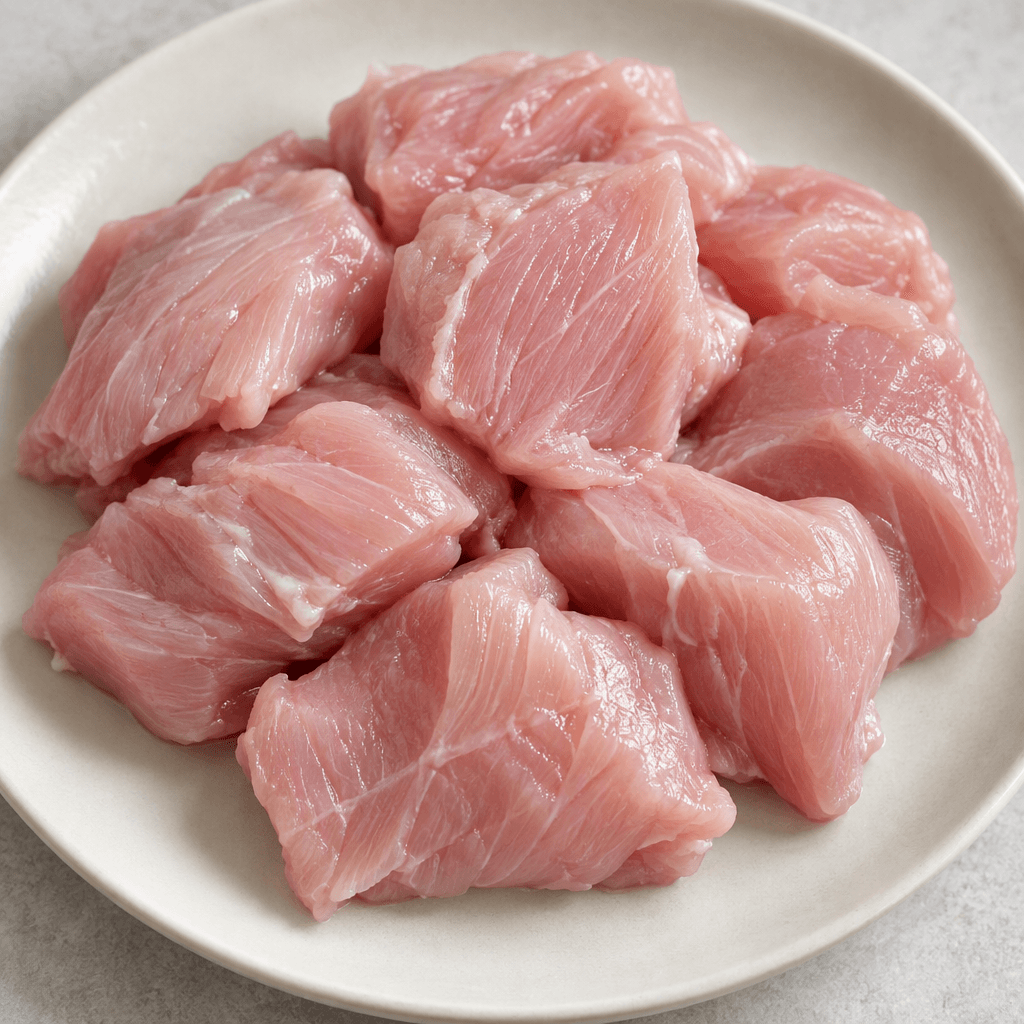
Turkey Meat (Metro Chef) Calories
Lean protein, low fat, B vitamins, iron
In season: Autumn · Winter
CALORIES · 100 G
GI
POTASSIUM · 100 G
FIBER · 100 G
Quick answer
1 piece (medium) of Turkey Meat (Metro Chef) (120 g) has 138 calories. That works out to 115 calories per 100 g. It contains 0 g of carbs, 28.8 g of protein, 1.8 g of fat and 0 g of fiber. Its 1.8 µg of B12 covers 75% of the Daily Value. Its glycemic index is 0 (low), so it raises blood sugar slowly.
Turkey Meat (Metro Chef) Nutrition Facts
Selected: 1 piece (medium) · 120 g
138
KCAL / 120G
Carbs
0g
· 0% DV
Protein
28.8g
· 58% DV
Fat
1.8g
· 2% DV
Fiber
0g
· 0% DV
DV is the share of the daily value covered, on a 2,000 kcal reference diet.
Calories come from: Carbs 0% · Protein 88% · Fat 12%
Turkey Meat (Metro Chef) nutrition facts table · 1 piece (medium) (120 g)
| Nutrient | Amount | % DV |
|---|---|---|
| Calories | 138 kcal | |
| Total fat | 1.8 g | 2% |
| Saturated fat | 0.48 g | 2% |
| Trans fat | 0 g | |
| Sodium | 84 mg | 4% |
| Total carbohydrate | 0 g | 0% |
| Fiber | 0 g | 0% |
| Protein | 28.8 g | 58% |
Calories: Calories measure energy. Average daily need is 2,000 kcal. Excess calories are stored as fat, too few cause weight loss.
Carbs: Your body's primary energy source. The brain runs exclusively on carbs. Daily need: 275g.
Protein: Essential for muscle repair and cell growth. Daily need: 50g. Keeps you full and boosts metabolism.
Fat: Needed for hormone production and vitamin absorption. Daily need: 78g. Limit saturated fats, choose unsaturated.
Fiber: Critical for digestive health and satiety. Daily need: 28g. Stabilizes blood sugar, lowers cholesterol.

Log this food in EatBetter
100,000+ people use it
- Get your daily calorie target
- Snap your meal, log it in seconds
- See every vitamin and mineral

📸 Scan the code to get the app free.

How Many Calories in 1 Turkey Meat (Metro Chef)?
| Serving | Amount | Calories |
|---|---|---|
| 1 piece (medium) | 120 g | 138 kcal |
| 1 slice (thin) | 40 g | 46 kcal |
| 1 slice (thick) | 70 g | 81 kcal |
| 1 piece (small) | 80 g | 92 kcal |
| 100 g | 100 g | 115 kcal |
| 1 serving (medium) | 100 g | 115 kcal |
| 1 serving (large) | 150 g | 173 kcal |
| 1 piece (large) | 180 g | 207 kcal |
| 1 pack (whole) | 500 g | 575 kcal |
Calculated from 115 calories per 100 g.
Frequently Asked Questions About Turkey Meat (Metro Chef)
Is turkey meat healthier than chicken?
Turkey meat can be a lean, nutritious choice, but it is not automatically healthier than chicken. The cut and cooking method matter: skinless, simply cooked portions of either meat are generally leaner than fried or heavily dressed versions.
Why does turkey meat get dry?
Turkey meat dries out when it is overcooked, because lean cuts lose moisture quickly. Use a food thermometer rather than relying only on cooking time, and let the meat rest briefly before slicing so its juices are less likely to run out.
Is turkey meat white meat or red meat?
Turkey is classified as white meat, although its leg meat is darker than its breast meat. The difference in color comes from the muscles’ activity and composition; darker turkey meat is still poultry.
Should you wash turkey meat before cooking?
No, do not rinse raw turkey meat. Water can splash bacteria onto the sink, counters, and nearby utensils. Cook the meat directly, then wash your hands and clean any surfaces or tools that touched it.
How long does raw turkey meat last in the fridge?
Raw turkey meat should generally be cooked within 1–2 days when kept refrigerated. Store it sealed on a low shelf to prevent drips from contaminating other foods, or freeze it if you will not use it soon.
Can you freeze turkey meat?
Yes, turkey meat freezes well when wrapped tightly to limit air exposure. Thaw it in the refrigerator rather than on the counter, and cook it after thawing instead of refreezing it raw.
How should you thaw frozen turkey meat?
Thaw turkey meat in the refrigerator, placing it in a covered container to catch any drips. If you use a faster method such as cold water, keep the meat sealed and cook it promptly after thawing.
How can you tell when turkey meat is cooked?
Use a food thermometer: the thickest part of the turkey meat should reach 74 °C (165 °F). Color alone is not a reliable safety test, and the thermometer should not touch bone.
Does turkey meat make you sleepy?
Turkey meat does not act as a sleep aid on its own. It contains tryptophan, but a typical serving is not enough to explain post-meal drowsiness; a large meal, alcohol, or the time of day may contribute instead.
Can you eat turkey meat during pregnancy?
Yes, turkey meat is safe during pregnancy when cooked thoroughly. Avoid raw or undercooked turkey and prevent its juices from touching ready-to-eat foods; ask your clinician about any individual food-safety concerns.
Turkey Meat (Metro Chef) Vitamins & Minerals
Vitamins
B12
1.8µg · 75% DV
B3
9.36mg · 59% DV
B6
0.58mg · 34% DV
B5
1.02mg · 20% DV
Minerals
Selenium
26µg · 47% DV
Phosphorus
252mg · 36% DV
Zinc
2.64mg · 24% DV
Potassium ⭐
324mg · 10% DV
Sodium
84mg · 4% DV
Turkey Meat (Metro Chef) Glycemic Index
GLYCEMIC INDEX
GLYCEMIC LOAD
Accounts for portion size — a more realistic measure than GI alone.
How to Burn Off Turkey Meat (Metro Chef)
To burn the 138 calories in 1 piece (medium) (120 g):
🚶
Walking (5 km/h)
🏃
Running (8 km/h)
🚴
Cycling
🏊
Swimming
Times are calculated with the MET equation for a 70 kg adult. Actual burn varies with your weight, age and pace.
What is Turkey Meat (Metro Chef)?
Turkey Meat (Metro Chef) is meat from a turkey; no particular cut is specified, so it should not be assumed to be breast or thigh. Across the English-speaking world, turkey is commonly roasted for holiday meals, but it also works well in everyday cooking, whether roasted, grilled or cooked in a pan.
Its flavour is mild and its texture can be tender and juicy when cooked carefully; overcooking can make it dry. Serve it with vegetables and potatoes, or slice it for sandwiches and salads. It is a lean, protein-rich choice: per 100 g, it provides 24 g of protein and 1.5 g of fat. For a lighter meal, roast or grill it rather than frying, and pair it with vegetables or a fresh salad.
How Nutritious Is Turkey Meat (Metro Chef)?
Nutrient density
Very high
How many vitamins, minerals and how much fiber this food carries per calorie. A high score means a lot of nutrition for few calories.
Satiety score
Medium
An EatBetter score computed from fiber, protein and calorie density. A high score means staying full longer on the same calories.
Both scores are calculated per 100 g and do not change with the selected portion. The satiety score is EatBetter's own calculation, not a clinical measure.
Is Turkey Meat (Metro Chef) Processed?
NOVA 2
Minimally Processed
1. Unprocessed
2. Minimally Processed
3. Processed
4. Ultra-Processed
NOVA classifies foods into 4 groups by industrial processing. NOVA 1 (unprocessed) is the healthiest.
Does Turkey Meat (Metro Chef) Contain Allergens?
No known major allergens
Which Diets Is Turkey Meat (Metro Chef) Good For?
Vegan
— Not suitable
Vegetarian
— Not suitable
Gluten-Free
✓ Suitable
Dairy-Free
— Not suitable
Mediterranean
✓ Suitable
Paleo
✓ Suitable
Whole30
— Not suitable
DASH
— Not suitable
Keto
✓ Suitable
Low FODMAP
— Not suitable
Turkey Meat (Metro Chef) Fat Profile
SATURATED
0.48g
MONOUNSATURATED
0.6g
POLYUNSATURATED
0.36g
Omega 6:3 ratio 3.8:1
Below the ideal 4:1 — a good omega balance.
Compare Turkey Meat (Metro Chef)
Foods Similar to Turkey Meat (Metro Chef)
Have another question about Turkey Meat (Metro Chef)?
Ask the AI nutrition coach — calories, portions, alternatives and more, answered in seconds in the app.

Scan calories with your camera
Instant AI nutrition analysis

Nutrition data compiled from USDA FoodData Central and scientific sources.