

Ready & Packaged Foods
All →Vegetables & Legumes
All →Desserts & Confectionery
All →Meat & Protein
All →Grains & Bakery
All →Beverages
All →Milk & Dairy
All →

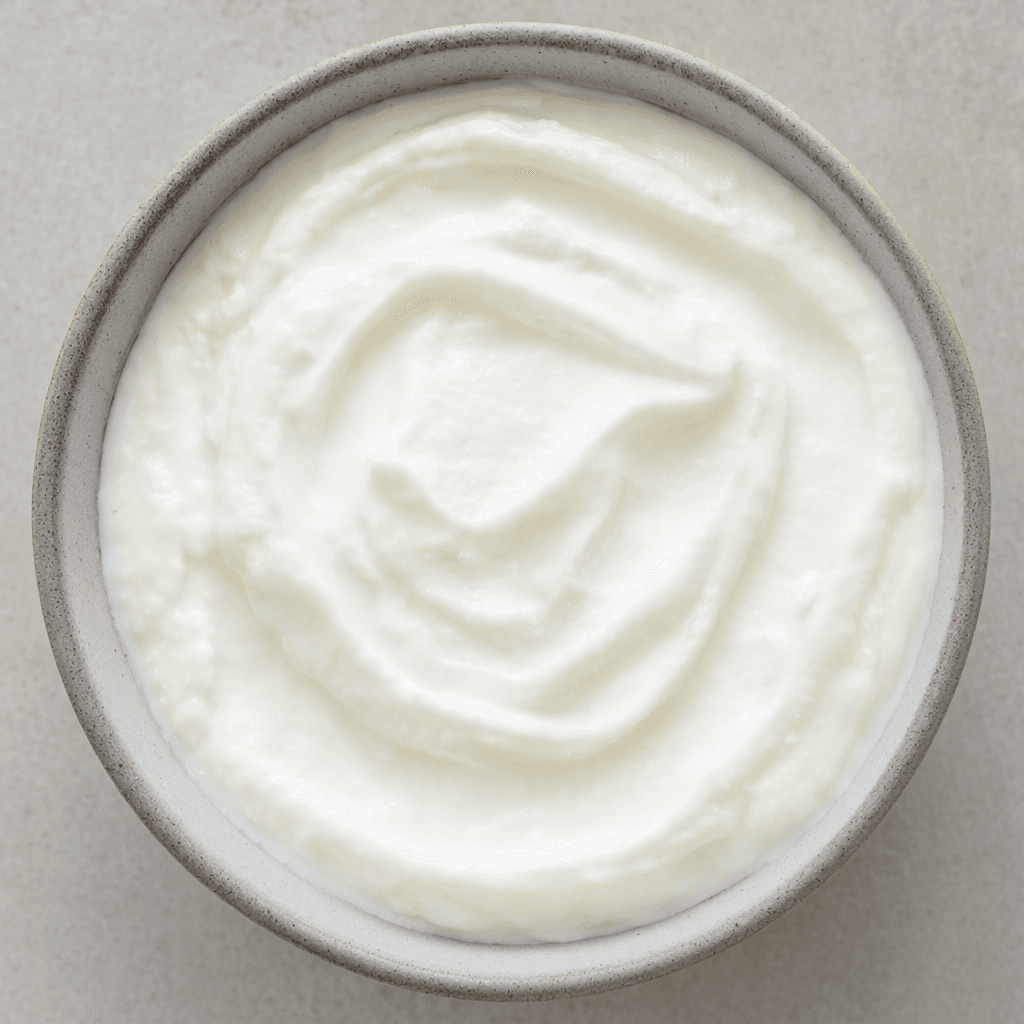
SEQ Quark Protein Yogurt Calories
High-protein, low-fat, probiotic yogurt
In season: Spring · Summer · Autumn · Winter
CALORIES · 100 G
GI
POTASSIUM · 100 G
FIBER · 100 G
Quick answer
1 cup (medium) of SEQ Quark Protein Yogurt (150 g) has 90 calories. That works out to 60 calories per 100 g. It contains 5.3 g of carbs, 15.8 g of protein, 0.3 g of fat and 0 g of fiber. Its 0.9 µg of B12 covers 38% of the Daily Value. Its glycemic index is 35 (low), so it raises blood sugar slowly.
SEQ Quark Protein Yogurt Nutrition Facts
Selected: 1 cup (medium) · 150 g
90
KCAL / 150G
Carbs
5.3g
· 2% DV
Protein
15.8g
· 32% DV
Fat
0.3g
· 0% DV
Fiber
0g
· 0% DV
DV is the share of the daily value covered, on a 2,000 kcal reference diet.
Calories come from: Carbs 24% · Protein 73% · Fat 3%
SEQ Quark Protein Yogurt nutrition facts table · 1 cup (medium) (150 g)
| Nutrient | Amount | % DV |
|---|---|---|
| Calories | 90 kcal | |
| Total fat | 0.3 g | 0% |
| Saturated fat | 0.15 g | 1% |
| Trans fat | 0 g | |
| Sodium | 68 mg | 3% |
| Total carbohydrate | 5.3 g | 2% |
| Fiber | 0 g | 0% |
| Protein | 15.8 g | 32% |
Calories: Calories measure energy. Average daily need is 2,000 kcal. Excess calories are stored as fat, too few cause weight loss.
Carbs: Your body's primary energy source. The brain runs exclusively on carbs. Daily need: 275g.
Protein: Essential for muscle repair and cell growth. Daily need: 50g. Keeps you full and boosts metabolism.
Fat: Needed for hormone production and vitamin absorption. Daily need: 78g. Limit saturated fats, choose unsaturated.
Fiber: Critical for digestive health and satiety. Daily need: 28g. Stabilizes blood sugar, lowers cholesterol.

Log this food in EatBetter
100,000+ people use it
- Get your daily calorie target
- Snap your meal, log it in seconds
- See every vitamin and mineral

📸 Scan the code to get the app free.

How Many Calories in 1 Cup of SEQ Quark Protein Yogurt?
| Serving | Amount | Calories |
|---|---|---|
| 1 cup (medium) | 150 g | 90 kcal |
| 1 piece (small) | 70 g | 42 kcal |
| 1 pack (small) | 90 g | 54 kcal |
| 100 g | 100 g | 60 kcal |
| 1 cup (small) | 100 g | 60 kcal |
| 1 serving (medium) | 125 g | 75 kcal |
| 1 pack (medium) | 180 g | 108 kcal |
| 1 cup (large) | 200 g | 120 kcal |
| 1 piece (large) | 200 g | 120 kcal |
| 1 serving (large) | 250 g | 150 kcal |
Calculated from 60 calories per 100 g.
Frequently Asked Questions About SEQ Quark Protein Yogurt
What is SEQ Quark Protein Yogurt?
SEQ Quark Protein Yogurt is a high-protein dairy product combining the quark style with yogurt. It can be eaten on its own or used as a base for breakfast bowls, dips, and snacks.
How is SEQ Quark Protein Yogurt different from Greek yogurt?
SEQ Quark Protein Yogurt is quark-based, while Greek yogurt is yogurt strained to make it thicker. Both can be thick and protein-rich, but their taste and texture differ, so they may not behave identically in recipes.
Is SEQ Quark Protein Yogurt probiotic?
Yes, SEQ Quark Protein Yogurt is described as a probiotic yogurt. The specific cultures can vary, so the product description does not establish which strains it contains or guarantee a particular health effect.
What can you eat with SEQ Quark Protein Yogurt?
SEQ Quark Protein Yogurt pairs well with berries, sliced fruit, oats, or nuts for a quick breakfast or snack. For a savory option, mix it with herbs and use it as a dip or spread.
Can you cook with SEQ Quark Protein Yogurt?
Yes, you can use SEQ Quark Protein Yogurt in dips, dressings, and some baking recipes. For hot dishes, stir it in after taking the pan off the heat, since boiling can make dairy products separate.
Does SEQ Quark Protein Yogurt contain lactose?
SEQ Quark Protein Yogurt should not be assumed to be lactose-free unless its packaging says so. Quark and yogurt products can contain lactose, and tolerance varies; lactose intolerance is different from a milk allergy.
How long does SEQ Quark Protein Yogurt last after opening?
Keep SEQ Quark Protein Yogurt refrigerated, tightly covered, and follow the storage instructions on its package after opening. Use a clean spoon each time and discard it if its smell, appearance, or texture seems unusual.
Can you freeze SEQ Quark Protein Yogurt?
Yes, SEQ Quark Protein Yogurt can be frozen, but thawing may make it watery or grainy. Thaw it in the refrigerator, stir well, and use it in a smoothie or cooked recipe if the texture is no longer pleasant on its own.
Is SEQ Quark Protein Yogurt good for weight loss?
SEQ Quark Protein Yogurt can be a filling snack because it is high in protein, but it does not cause weight loss by itself. Sweet toppings or oversized portions can also change how substantial the snack is.
Is SEQ Quark Protein Yogurt a good post-workout snack?
Yes, SEQ Quark Protein Yogurt is a convenient protein-containing snack after exercise. Eat it plain or with fruit if you like; it is a food option, not a special recovery product that everyone needs.
SEQ Quark Protein Yogurt Vitamins & Minerals
Vitamins
B12
0.9µg · 38% DV
B2
0.27mg · 21% DV
B5
0.75mg · 15% DV
Biotin
3.75µg · 13% DV
Minerals
Phosphorus
143mg · 20% DV
Calcium
180mg · 18% DV
Iodine
15µg · 10% DV
Zinc
0.75mg · 7% DV
Potassium ⭐
225mg · 7% DV
Sodium
68mg · 3% DV
SEQ Quark Protein Yogurt Glycemic Index
GLYCEMIC INDEX
GLYCEMIC LOAD
Accounts for portion size — a more realistic measure than GI alone.
How to Burn Off SEQ Quark Protein Yogurt
To burn the 90 calories in 1 cup (medium) (150 g):
🚶
Walking (5 km/h)
🏃
Running (8 km/h)
🚴
Cycling
🏊
Swimming
Times are calculated with the MET equation for a 70 kg adult. Actual burn varies with your weight, age and pace.
What is SEQ Quark Protein Yogurt?
SEQ Quark Protein Yogurt is a packaged dairy product that brings together yogurt and quark-style qualities in a high-protein, low-fat format. It has a thick, creamy texture and a mild tang, and can be eaten plain or topped with fruit. It fits easily into breakfast with oats or granola, or works as a quick snack between meals; in Turkey, it may also be served alongside fresh fruit at the table. Each 100 g provides 10.5 g of protein. For a simple, lighter topping, add berries, cinnamon or a small handful of nuts rather than a sweetened sauce.
How Nutritious Is SEQ Quark Protein Yogurt?
Nutrient density
High
How many vitamins, minerals and how much fiber this food carries per calorie. A high score means a lot of nutrition for few calories.
Satiety score
Medium
An EatBetter score computed from fiber, protein and calorie density. A high score means staying full longer on the same calories.
Both scores are calculated per 100 g and do not change with the selected portion. The satiety score is EatBetter's own calculation, not a clinical measure.
Is SEQ Quark Protein Yogurt Processed?
NOVA 2
Minimally Processed
1. Unprocessed
2. Minimally Processed
3. Processed
4. Ultra-Processed
NOVA classifies foods into 4 groups by industrial processing. NOVA 1 (unprocessed) is the healthiest.
Does SEQ Quark Protein Yogurt Contain Allergens?
Contains these allergens:
Which Diets Is SEQ Quark Protein Yogurt Good For?
Vegan
— Not suitable
Vegetarian
✓ Suitable
Gluten-Free
— Not suitable
Dairy-Free
— Not suitable
Mediterranean
✓ Suitable
Paleo
— Not suitable
Whole30
— Not suitable
DASH
— Not suitable
Keto
— Not suitable
Low FODMAP
— Not suitable
SEQ Quark Protein Yogurt Fat Profile
SATURATED
0.15g
MONOUNSATURATED
0.06g
POLYUNSATURATED
0.05g
Omega 6:3 ratio 1.5:1
Below the ideal 4:1 — a good omega balance.
Compare SEQ Quark Protein Yogurt
Foods Similar to SEQ Quark Protein Yogurt
Have another question about SEQ Quark Protein Yogurt?
Ask the AI nutrition coach — calories, portions, alternatives and more, answered in seconds in the app.

Scan calories with your camera
Instant AI nutrition analysis

Nutrition data compiled from USDA FoodData Central and scientific sources.