

Ready & Packaged Foods
All →Vegetables & Legumes
All →Desserts & Confectionery
All →Meat & Protein
All →Grains & Bakery
All →Beverages
All →Milk & Dairy
All →

Tulum Cheese Calories
Richly flavored, traditional Turkish cheese made from sheep's milk
In season: Spring · Summer · Autumn · Winter
CALORIES
GI
POTASSIUM
FIBER
Quick answer
1 slice (medium) of Tulum Cheese (30 g) has 111 calories. That works out to 370 calories per 100 g. It contains 0.6 g of carbs, 6 g of protein, 9.3 g of fat and 0 g of fiber. Its 240 mg of Calcium covers 24% of the Daily Value. Its glycemic index is 0 (low), so it raises blood sugar slowly.
What is Tulum Cheese?
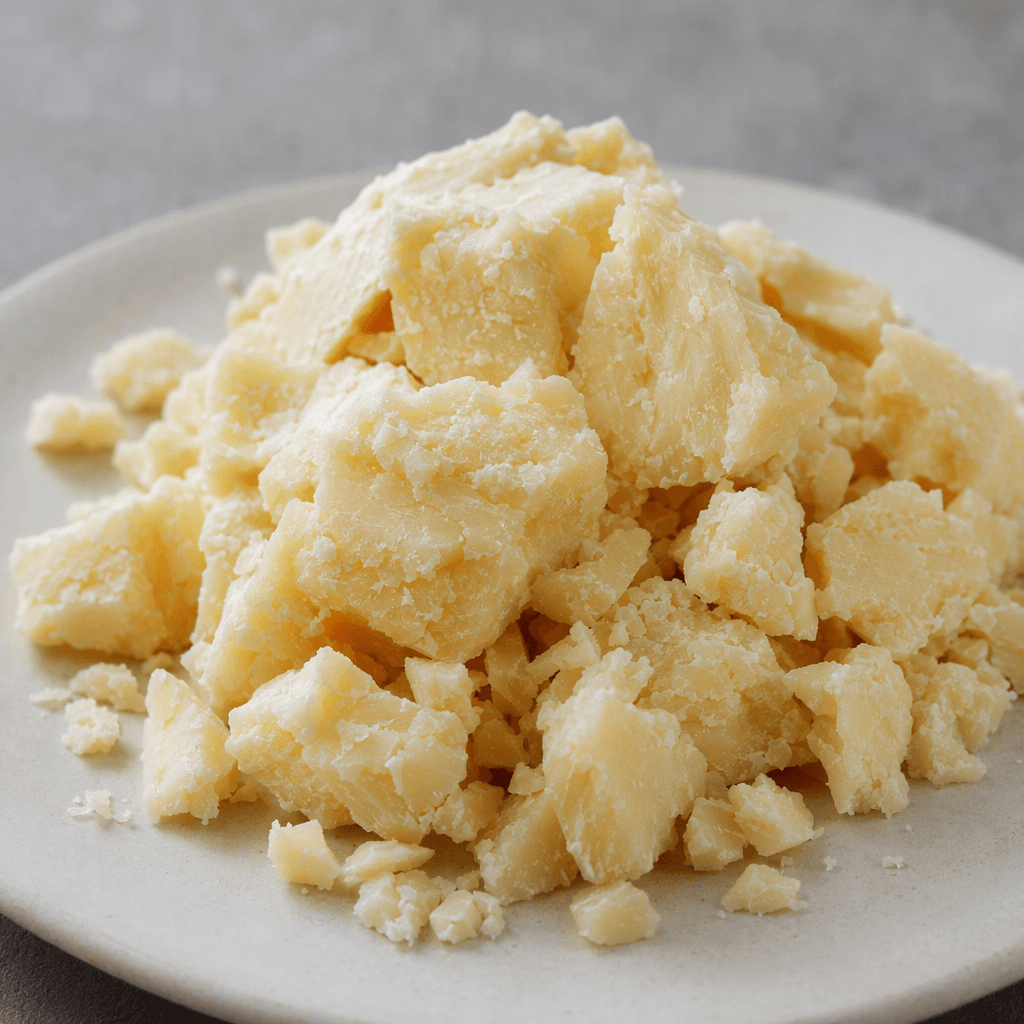
Tulum Cheese is a traditional Turkish cheese made from sheep’s milk and, in its classic form, aged in a goatskin or other skin casing. Its appearance and texture vary by region, but it is often pale and crumbly, with a bold, savoury aroma and a pleasantly tangy finish.
In Turkey it is commonly served at breakfast with bread, olives and fresh vegetables, and it also works well crumbled over salads or offered on a meze board. Its rich flavour and high fat content mean a little goes a long way. Pair it with tomatoes, herbs and crusty bread for a simple serving, or use a smaller amount to add depth to a dish.
Tulum Cheese Nutrition Facts
Selected: 100 g
370
KCAL / 100G
Carbs
2g
· 1% DV
Protein
20g
· 40% DV
Fat
31g
· 40% DV
Fiber
0g
· 0% DV
DV is the share of the daily value covered, on a 2,000 kcal reference diet.
Calories come from: Carbs 2% · Protein 22% · Fat 76%
Tulum Cheese Vitamins & Minerals
Vitamins
B12
1.6µg · 67% DV
Vitamin A
260µg · 29% DV
B2
0.35mg · 27% DV
B5
0.6mg · 12% DV
Minerals
Calcium
800mg · 80% DV
Phosphorus
480mg · 69% DV
Sodium
1200mg · 52% DV
Selenium
12µg · 22% DV
How Nutritious Is Tulum Cheese?
Nutrient density
High
How many vitamins, minerals and how much fiber this food carries per calorie. A high score means a lot of nutrition for few calories.
Satiety score
Low
An EatBetter score computed from fiber, protein and calorie density. A high score means staying full longer on the same calories.
Both scores are calculated per 100 g and do not change with the selected portion. The satiety score is EatBetter's own calculation, not a clinical measure.
Tulum Cheese Glycemic Index
GLYCEMIC INDEX
GLYCEMIC LOAD
Accounts for portion size — a more realistic measure than GI alone.
How to Burn Off Tulum Cheese
To burn the 370 calories in 100 g:
🚶
Walking (5 km/h)
🏃
Running (8 km/h)
🚴
Cycling
🏊
Swimming
Times are calculated with the MET equation for a 70 kg adult. Actual burn varies with your weight, age and pace.
Is Tulum Cheese Processed?
NOVA 2
Minimally Processed
1. Unprocessed
2. Minimally Processed
3. Processed
4. Ultra-Processed
NOVA classifies foods into 4 groups by industrial processing. NOVA 1 (unprocessed) is the healthiest.
Does Tulum Cheese Contain Allergens?
Contains these allergens:
Which Diets Is Tulum Cheese Good For?
Vegan
— Not suitable
Vegetarian
✓ Suitable
Gluten-Free
✓ Suitable
Dairy-Free
— Not suitable
Mediterranean
✓ Suitable
Paleo
— Not suitable
Whole30
— Not suitable
DASH
— Not suitable
Keto
— Not suitable
Low FODMAP
— Not suitable
Tulum Cheese Fat Profile
SATURATED
19g
MONOUNSATURATED
8.5g
POLYUNSATURATED
1.1g
Omega 6:3 ratio 5:1
Above the ideal 4:1 (5:1).
Compare Tulum Cheese
Foods Similar to Tulum Cheese
Frequently Asked Questions About Tulum Cheese
What is Tulum Cheese?
Tulum Cheese is a traditional Turkish aged cheese, commonly made from sheep’s milk and known for its crumbly texture and strong flavor. Its milk, texture, and aging method vary by region and producer.
What does Tulum Cheese taste like?
Tulum Cheese is typically savory, tangy, and quite full-flavored, with a saltiness that becomes more noticeable in some aged varieties. Regional versions range from relatively mild and creamy to dry and intensely aromatic.
How is Tulum Cheese traditionally made?
Tulum Cheese is made by draining and salting curds, then aging them. Traditionally, the cheese matured in a goatskin bag—the word “tulum” refers to this container—but many modern versions are aged in other containers.
How do you eat Tulum Cheese?
Eat Tulum Cheese with bread, or crumble it over salads, eggs, pasta, and savory pastries. It is often served as part of a Turkish breakfast; because it can be salty, taste it before adding extra salt to a dish.
What is the difference between Tulum Cheese and feta?
Tulum Cheese is generally aged longer and has a drier, more crumbly texture and stronger flavor than feta. Feta is usually brined and moist enough to slice, although both cheeses vary considerably by producer.
Can you substitute Tulum Cheese for feta?
Yes, you can substitute Tulum Cheese for feta in salads, pastries, or cooked dishes, but expect a stronger, sometimes saltier flavor and a crumblier texture. Start with a little less, then adjust to taste.
How should you store Tulum Cheese?
Keep Tulum Cheese refrigerated in a tightly sealed container to prevent it from drying out or absorbing other food odors. Use a clean utensil to take out portions, and return the cheese to the refrigerator promptly.
Can you freeze Tulum Cheese?
Yes, Tulum Cheese can be frozen, though thawing may make its already crumbly texture drier and more fragile. Freeze it in small, airtight portions and use the thawed cheese in cooked dishes, where the texture change matters less.
Is the rind on Tulum Cheese edible?
Sometimes, but it depends on how the Tulum Cheese was aged and packaged. Traditional skin aging does not mean the outer covering is meant to be eaten; remove any wrapper or rind that is not clearly identified as edible.
Why is Tulum Cheese so crumbly?
Tulum Cheese is crumbly because draining and aging reduce its moisture and make its curds firmer. Drier, longer-aged varieties tend to break apart more easily; letting a portion sit out briefly before serving can make it easier to handle.
Have another question about Tulum Cheese?
Ask the AI nutrition coach — calories, portions, alternatives and more, answered in seconds in the app.

Scan calories with your camera
Instant AI nutrition analysis

Nutrition data compiled from USDA FoodData Central and scientific sources.