

Ready & Packaged Foods
All →Vegetables & Legumes
All →Desserts & Confectionery
All →Meat & Protein
All →Grains & Bakery
All →Beverages
All →Milk & Dairy
All →

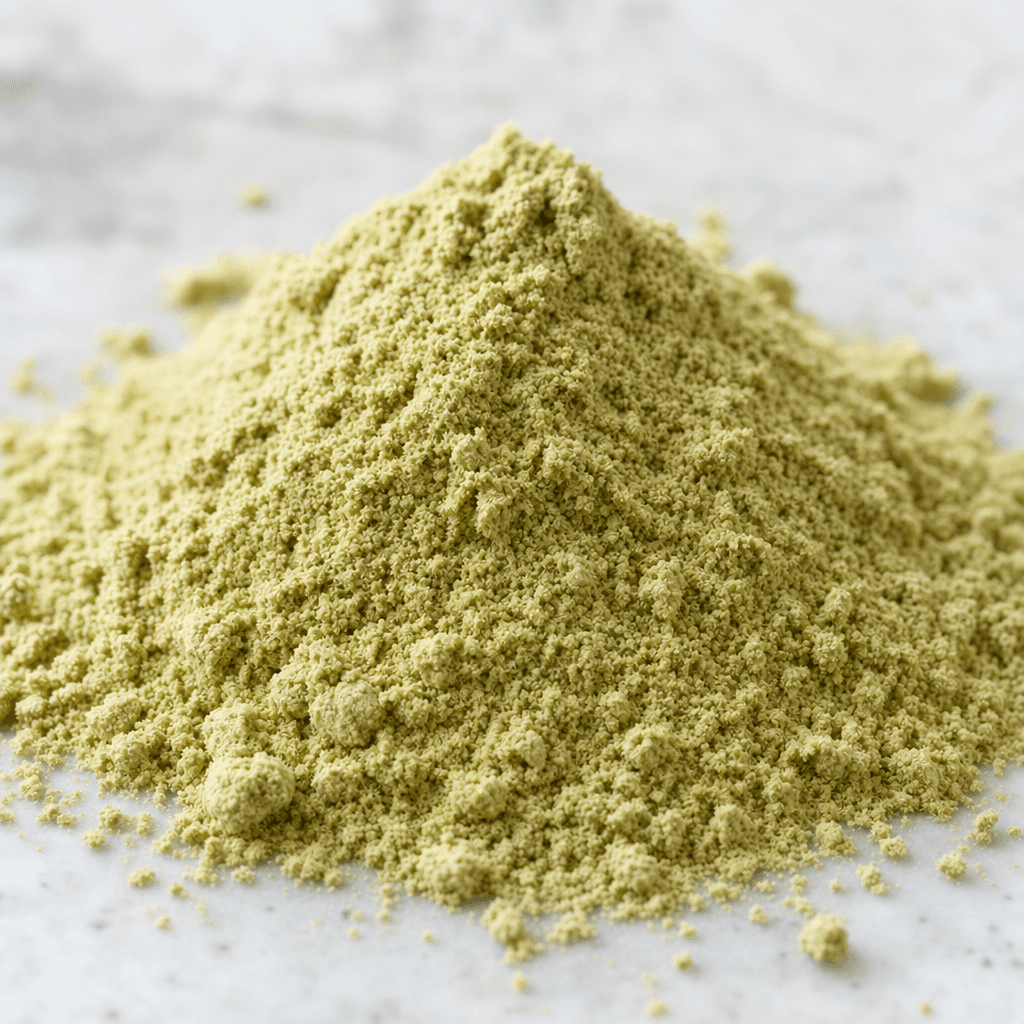
Saf brand pea protein powder Calories
High protein, vegan, gluten-free, hypoallergenic
In season: Spring · Summer · Autumn · Winter
CALORIES · 100 G
GI
POTASSIUM · 100 G
FIBER · 100 G
Quick answer
1 tablespoon (medium) of Saf brand pea protein powder (15 g) has 56 calories. That works out to 370 calories per 100 g. It contains 1.1 g of carbs, 12 g of protein, 0.5 g of fat and 0.6 g of fiber. Its 135 mg of Phosphorus covers 19% of the Daily Value. Its glycemic index is 30 (low), so it raises blood sugar slowly.
Saf brand pea protein powder Nutrition Facts
Selected: 1 tablespoon (medium) · 15 g
56
KCAL / 15G
Carbs
1.1g
· 0% DV
Protein
12g
· 24% DV
Fat
0.5g
· 1% DV
Fiber
0.6g
· 2% DV
DV is the share of the daily value covered, on a 2,000 kcal reference diet.
Calories come from: Carbs 8% · Protein 84% · Fat 8%
Saf brand pea protein powder nutrition facts table · 1 tablespoon (medium) (15 g)
| Nutrient | Amount | % DV |
|---|---|---|
| Calories | 56 kcal | |
| Total fat | 0.5 g | 1% |
| Saturated fat | 0.05 g | 0% |
| Trans fat | 0 g | |
| Sodium | 3 mg | 0% |
| Total carbohydrate | 1.1 g | 0% |
| Fiber | 0.6 g | 2% |
| Protein | 12 g | 24% |
Calories: Calories measure energy. Average daily need is 2,000 kcal. Excess calories are stored as fat, too few cause weight loss.
Carbs: Your body's primary energy source. The brain runs exclusively on carbs. Daily need: 275g.
Protein: Essential for muscle repair and cell growth. Daily need: 50g. Keeps you full and boosts metabolism.
Fat: Needed for hormone production and vitamin absorption. Daily need: 78g. Limit saturated fats, choose unsaturated.
Fiber: Critical for digestive health and satiety. Daily need: 28g. Stabilizes blood sugar, lowers cholesterol.

Log this food in EatBetter
100,000+ people use it
- Get your daily calorie target
- Snap your meal, log it in seconds
- See every vitamin and mineral

📸 Scan the code to get the app free.

How Many Calories in 1 Tablespoon of Saf brand pea protein powder?
| Serving | Amount | Calories |
|---|---|---|
| 1 tablespoon (medium) | 15 g | 56 kcal |
| 1 teaspoon (small) | 5 g | 19 kcal |
| 1 tablespoon (small) | 10 g | 37 kcal |
| 1 piece (medium) | 20 g | 74 kcal |
| 1 tablespoon (large) | 20 g | 74 kcal |
| 1 serving (medium) | 25 g | 93 kcal |
| 2 tablespoon (large) | 30 g | 111 kcal |
| 1 cup (large) | 80 g | 296 kcal |
| 100 g | 100 g | 370 kcal |
| 1 pack (jumbo) | 500 g | 1850 kcal |
Calculated from 370 calories per 100 g.
Frequently Asked Questions About Saf brand pea protein powder
How do you use Saf brand pea protein powder?
Mix Saf brand pea protein powder into water, milk, or a smoothie, or stir it into yogurt or porridge. Adding the powder gradually while whisking helps prevent clumps, and a shaker bottle works well for a quick drink.
Is Saf brand pea protein powder as good as whey protein?
Saf brand pea protein powder can support muscle protein synthesis, much like whey, but the two have different amino-acid profiles. Pea protein is useful for people avoiding dairy; regular resistance training and a varied diet matter more than choosing one powder.
Is Saf brand pea protein powder a complete protein?
Saf brand pea protein powder provides all the essential amino acids, though pea protein is relatively low in methionine compared with some other protein sources. Eating a varied diet that includes grains, nuts, or other protein foods helps round out your amino-acid intake.
Can Saf brand pea protein powder cause bloating?
Yes, Saf brand pea protein powder can cause gas or bloating in some people. Pea components and the amount consumed may contribute; try a smaller serving, mix it thoroughly, and stop using it if symptoms are persistent or severe.
What does Saf brand pea protein powder taste like?
Saf brand pea protein powder typically has a mild, earthy or pea-like taste, which may be more noticeable in an unflavoured powder. Blend it with cocoa, berries, banana, or cinnamon to make the flavour less prominent.
Can you bake with Saf brand pea protein powder?
Yes, Saf brand pea protein powder can be used in pancakes, muffins, and other baked foods, but it may make them drier or denser. Replace only part of the flour and add enough liquid to keep the batter moist.
When should you take Saf brand pea protein powder, before or after a workout?
You can take Saf brand pea protein powder before or after a workout; there is no required timing for everyone. After exercise it can be a convenient protein source, but your overall food intake across the day is more important.
Can Saf brand pea protein powder be mixed into coffee?
Yes, you can add Saf brand pea protein powder to coffee, but mix it with a little cool or warm liquid first to reduce clumping. Avoid pouring it straight into very hot coffee, which can make the drink grainy.
How much Saf brand pea protein powder should you take per day?
The amount of Saf brand pea protein powder to use depends on how much protein you get from meals and your individual needs. Follow the package serving guidance rather than treating the powder as a meal replacement; ask a clinician if you have kidney disease.
How should you store Saf brand pea protein powder after opening?
Keep Saf brand pea protein powder tightly sealed in a cool, dry place after opening. Use a dry scoop and keep the container away from steam and moisture; follow the package directions for any brand-specific storage advice.
Saf brand pea protein powder Vitamins & Minerals
Vitamins
B1
0.11mg · 9% DV
B6
0.06mg · 4% DV
B5
0.15mg · 3% DV
B2
0.03mg · 2% DV
Minerals
Phosphorus
135mg · 19% DV
Copper
0.08mg · 9% DV
Manganese
0.18mg · 8% DV
Iron
1.05mg · 6% DV
Potassium ⭐
135mg · 4% DV
Sodium
3mg · 0% DV
Saf brand pea protein powder Glycemic Index
GLYCEMIC INDEX
GLYCEMIC LOAD
Accounts for portion size — a more realistic measure than GI alone.
How to Burn Off Saf brand pea protein powder
To burn the 56 calories in 1 tablespoon (medium) (15 g):
🚶
Walking (5 km/h)
🏃
Running (8 km/h)
🚴
Cycling
🏊
Swimming
Times are calculated with the MET equation for a 70 kg adult. Actual burn varies with your weight, age and pace.
What is Saf brand pea protein powder?
Saf brand pea protein powder is a plant-based protein product made from peas, intended to be stirred into drinks and foods. It offers a convenient option for people looking to add a vegan protein source to everyday meals.
Its flavour is mildly earthy and pea-like, and it can make a drink or mixture thicker. Blend it into smoothies, stir it into porridge, or mix it into soups and homemade baking. For a smoother result, first whisk it with a little liquid, then add the rest. In many kitchens it is an easy addition to breakfast or a post-workout snack.
It is protein-dense, with 80 g of protein per 100 g. Pair it with fruit or other flavours you enjoy to balance its savoury, plant-like taste.
How Nutritious Is Saf brand pea protein powder?
Nutrient density
Very high
How many vitamins, minerals and how much fiber this food carries per calorie. A high score means a lot of nutrition for few calories.
Satiety score
Medium
An EatBetter score computed from fiber, protein and calorie density. A high score means staying full longer on the same calories.
Both scores are calculated per 100 g and do not change with the selected portion. The satiety score is EatBetter's own calculation, not a clinical measure.
Is Saf brand pea protein powder Processed?
NOVA 3
Processed
1. Unprocessed
2. Minimally Processed
3. Processed
4. Ultra-Processed
NOVA classifies foods into 4 groups by industrial processing. NOVA 1 (unprocessed) is the healthiest.
Does Saf brand pea protein powder Contain Allergens?
No known major allergens
Which Diets Is Saf brand pea protein powder Good For?
Vegan
✓ Suitable
Vegetarian
✓ Suitable
Gluten-Free
✓ Suitable
Dairy-Free
— Not suitable
Mediterranean
✓ Suitable
Paleo
✓ Suitable
Whole30
— Not suitable
DASH
— Not suitable
Keto
✓ Suitable
Low FODMAP
— Not suitable
Saf brand pea protein powder Fat Profile
SATURATED
0.05g
MONOUNSATURATED
0.09g
POLYUNSATURATED
0.32g
Omega 6:3 ratio 4:1
Below the ideal 4:1 — a good omega balance.
Compare Saf brand pea protein powder
Foods Similar to Saf brand pea protein powder
Have another question about Saf brand pea protein powder?
Ask the AI nutrition coach — calories, portions, alternatives and more, answered in seconds in the app.

Scan calories with your camera
Instant AI nutrition analysis

Nutrition data compiled from USDA FoodData Central and scientific sources.