

Ready & Packaged Foods
All →Vegetables & Legumes
All →Desserts & Confectionery
All →Meat & Protein
All →Grains & Bakery
All →Beverages
All →Milk & Dairy
All →

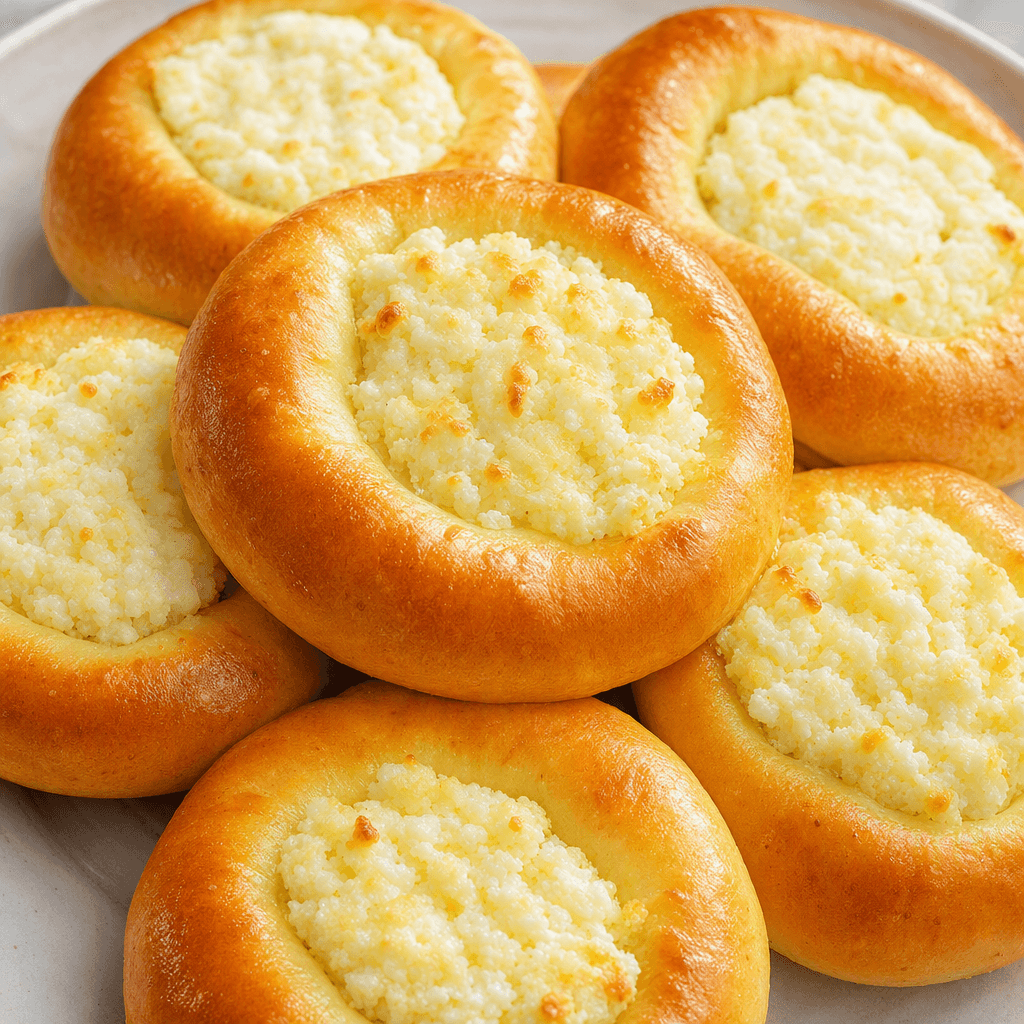
Russian Cheesecake Calories
Chocolate and cheesecake German cake, rich and creamy
In season: Autumn · Winter
CALORIES
GI
POTASSIUM
FIBER
Quick answer
1 slice (medium) of Russian Cheesecake (90 g) has 306 calories. That works out to 340 calories per 100 g. It contains 28.8 g of carbs, 5.6 g of protein, 18 g of fat and 1.1 g of fiber. Its 0.2 mg of B2 covers 13% of the Daily Value. Its glycemic index is 55 (medium), so it raises blood sugar at a moderate pace.
What is Russian Cheesecake?
Russian Cheesecake is the English name used here for Germany’s Russischer Zupfkuchen: a baked cake with a cocoa shortcrust base, a creamy quark-style filling and pieces of the same chocolate dough scattered over the top. Despite the name, it is a German cake rather than a Russian cheesecake.
Its contrast of crumbly, slightly bittersweet chocolate pastry and smooth, gently tangy filling makes it a popular slice with coffee or tea. In Germany it is often served at home or with afternoon coffee; elsewhere, it works well as a café-style dessert or for sharing. It is fairly rich, with 20 g of fat per 100 g, so a modest slice can be satisfying. Pair it with plain coffee or tea to balance its sweetness.
Russian Cheesecake Nutrition Facts
Selected: 100 g
340
KCAL / 100G
Carbs
32g
· 12% DV
Protein
6.2g
· 12% DV
Fat
20g
· 26% DV
Fiber
1.2g
· 4% DV
DV is the share of the daily value covered, on a 2,000 kcal reference diet.
Calories come from: Carbs 38% · Protein 7% · Fat 55%
Russian Cheesecake Vitamins & Minerals
Vitamins
B2
0.19mg · 15% DV
Vitamin A
120µg · 13% DV
B12
0.32µg · 13% DV
Biotin
3.2µg · 11% DV
Minerals
Phosphorus
98mg · 14% DV
Selenium
7µg · 13% DV
Calcium
110mg · 11% DV
Zinc
1mg · 9% DV
How Nutritious Is Russian Cheesecake?
Nutrient density
Low
How many vitamins, minerals and how much fiber this food carries per calorie. A high score means a lot of nutrition for few calories.
Satiety score
Low
An EatBetter score computed from fiber, protein and calorie density. A high score means staying full longer on the same calories.
Both scores are calculated per 100 g and do not change with the selected portion. The satiety score is EatBetter's own calculation, not a clinical measure.
Russian Cheesecake Glycemic Index
GLYCEMIC INDEX
GLYCEMIC LOAD
Accounts for portion size — a more realistic measure than GI alone.
How to Burn Off Russian Cheesecake
To burn the 340 calories in 100 g:
🚶
Walking (5 km/h)
🏃
Running (8 km/h)
🚴
Cycling
🏊
Swimming
Times are calculated with the MET equation for a 70 kg adult. Actual burn varies with your weight, age and pace.
Is Russian Cheesecake Processed?
NOVA 3
Processed
1. Unprocessed
2. Minimally Processed
3. Processed
4. Ultra-Processed
NOVA classifies foods into 4 groups by industrial processing. NOVA 1 (unprocessed) is the healthiest.
Does Russian Cheesecake Contain Allergens?
Contains these allergens:
Which Diets Is Russian Cheesecake Good For?
Vegan
— Not suitable
Vegetarian
✓ Suitable
Gluten-Free
— Not suitable
Dairy-Free
— Not suitable
Mediterranean
— Not suitable
Paleo
— Not suitable
Whole30
— Not suitable
DASH
— Not suitable
Keto
— Not suitable
Low FODMAP
— Not suitable
Russian Cheesecake Fat Profile
SATURATED
11.2g
MONOUNSATURATED
5.5g
POLYUNSATURATED
1.3g
Omega 6:3 ratio 22:1
Above the ideal 4:1 (22:1).
Compare Russian Cheesecake
Foods Similar to Russian Cheesecake
Frequently Asked Questions About Russian Cheesecake
What is Russian Cheesecake?
Russian Cheesecake is a German cake made with a cocoa pastry base, a creamy cheese filling, and pieces of cocoa dough scattered over the top. The filling is traditionally made with quark, a fresh, mildly tangy dairy cheese.
Why is Russian Cheesecake called Russian?
Russian Cheesecake is generally considered a German cake, not a traditional Russian dessert. Its name is often linked to the Russian-looking shapes formed by the dark pastry pieces on top, though the exact origin of the name is uncertain.
How do you make Russian Cheesecake?
To make Russian Cheesecake, press some cocoa pastry into a tin for the base and sides, then add the quark filling. Tear or pinch the remaining pastry into pieces over the filling and bake until the center is set.
What cheese is used in Russian Cheesecake?
Traditional Russian Cheesecake uses quark, a fresh cheese with a soft texture and mildly tangy taste. If you cannot find quark, well-drained cottage cheese or farmer cheese can work; blend it first for a smoother filling.
What is the difference between Russian Cheesecake and regular cheesecake?
Russian Cheesecake has cocoa pastry both underneath and in torn pieces across the top, with a pale cheese filling in between. Many classic cheesecakes instead use a crumb crust and leave the cheese filling exposed.
Why does Russian Cheesecake have pieces of dough on top?
The torn cocoa pastry pieces are a defining feature of Russian Cheesecake. They bake into a dark, uneven pattern against the lighter filling, giving the cake its distinctive appearance and adding a pastry texture to each slice.
How do you stop Russian Cheesecake from cracking?
To reduce cracks in Russian Cheesecake, mix the filling only until smooth rather than whipping in lots of air, and avoid overbaking it. Let the cake cool gradually in the switched-off oven with the door slightly open.
Does Russian Cheesecake need to be refrigerated?
Yes, refrigerate Russian Cheesecake after it has cooled because its filling contains fresh dairy. Keep it covered in an airtight container, and bring a slice out shortly before serving if you prefer a softer texture.
Can you freeze Russian Cheesecake?
Yes, Russian Cheesecake freezes well. Wrap individual slices tightly or place them in a freezer-safe container, then thaw them in the refrigerator. The filling may be a little softer after thawing, but the cake remains enjoyable.
What can you serve with Russian Cheesecake?
Serve Russian Cheesecake with coffee or tea, or add fresh berries for a tart contrast to its creamy filling and cocoa pastry. A light fruit sauce also works, while extra frosting is usually unnecessary.
Have another question about Russian Cheesecake?
Ask the AI nutrition coach — calories, portions, alternatives and more, answered in seconds in the app.

Scan calories with your camera
Instant AI nutrition analysis

Nutrition data compiled from USDA FoodData Central and scientific sources.