

Ready & Packaged Foods
All →Vegetables & Legumes
All →Desserts & Confectionery
All →Meat & Protein
All →Grains & Bakery
All →Beverages
All →Milk & Dairy
All →

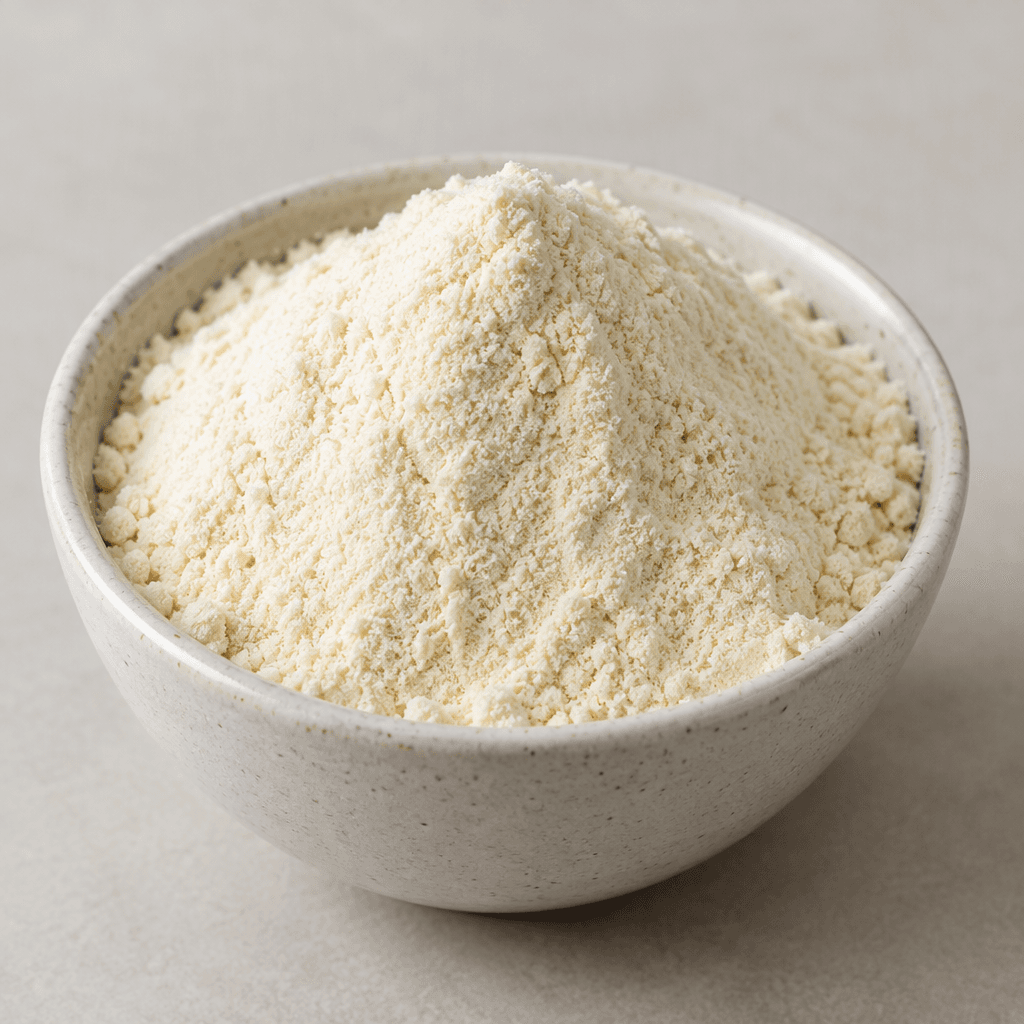
Protein Ocean protein powder Calories
High protein, sports supplement, low fat
CALORIES
GI
POTASSIUM
FIBER
Quick answer
1 slice (medium) of Protein Ocean protein powder (30 g) has 111 calories. That works out to 370 calories per 100 g. It contains 2.1 g of carbs, 24 g of protein, 0.6 g of fat and 0.6 g of fiber. Its 0.4 µg of B12 covers 15% of the Daily Value. Its glycemic index is 25 (low), so it raises blood sugar slowly.
What is Protein Ocean protein powder?
Protein Ocean protein powder is a branded powdered protein supplement, made to be stirred or blended into drinks and foods. The protein source can vary by product, so check the package if you have a particular type in mind. Its fine texture makes it convenient to portion and mix with water, milk or a smoothie.
Flavour and thickness depend on the variety. It is commonly used in a shake after exercise or added to breakfast foods such as oats and yoghurt. The powder is protein-rich and low in fat; per 100 g, it provides 80 g of protein. For an easy snack, blend it with fruit, or start with a small amount of liquid and add more until you reach the consistency you prefer.
Protein Ocean protein powder Nutrition Facts
Selected: 100 g
370
KCAL / 100G
Carbs
7g
· 3% DV
Protein
80g
· 160% DV
Fat
2g
· 3% DV
Fiber
2g
· 7% DV
DV is the share of the daily value covered, on a 2,000 kcal reference diet.
Calories come from: Carbs 8% · Protein 87% · Fat 5%
Protein Ocean protein powder Vitamins & Minerals
Vitamins
B12
1.2µg · 50% DV
B6
0.4mg · 24% DV
B2
0.3mg · 23% DV
B1
0.2mg · 17% DV
Minerals
Phosphorus
250mg · 36% DV
Zinc
2mg · 18% DV
Selenium
10µg · 18% DV
Sodium
350mg · 15% DV
How Nutritious Is Protein Ocean protein powder?
Nutrient density
High
How many vitamins, minerals and how much fiber this food carries per calorie. A high score means a lot of nutrition for few calories.
Satiety score
Medium
An EatBetter score computed from fiber, protein and calorie density. A high score means staying full longer on the same calories.
Both scores are calculated per 100 g and do not change with the selected portion. The satiety score is EatBetter's own calculation, not a clinical measure.
Protein Ocean protein powder Glycemic Index
GLYCEMIC INDEX
GLYCEMIC LOAD
Accounts for portion size — a more realistic measure than GI alone.
How to Burn Off Protein Ocean protein powder
To burn the 370 calories in 100 g:
🚶
Walking (5 km/h)
🏃
Running (8 km/h)
🚴
Cycling
🏊
Swimming
Times are calculated with the MET equation for a 70 kg adult. Actual burn varies with your weight, age and pace.
Is Protein Ocean protein powder Processed?
NOVA 3
Processed
1. Unprocessed
2. Minimally Processed
3. Processed
4. Ultra-Processed
NOVA classifies foods into 4 groups by industrial processing. NOVA 1 (unprocessed) is the healthiest.
Does Protein Ocean protein powder Contain Allergens?
No known major allergens
Which Diets Is Protein Ocean protein powder Good For?
Vegan
— Not suitable
Vegetarian
✓ Suitable
Gluten-Free
✓ Suitable
Dairy-Free
— Not suitable
Mediterranean
✓ Suitable
Paleo
✓ Suitable
Whole30
— Not suitable
DASH
— Not suitable
Keto
✓ Suitable
Low FODMAP
— Not suitable
Protein Ocean protein powder Fat Profile
SATURATED
0.5g
MONOUNSATURATED
0.6g
POLYUNSATURATED
0.7g
Omega 6:3 ratio 0.5:1
Below the ideal 4:1 — a good omega balance.
Compare Protein Ocean protein powder
Foods Similar to Protein Ocean protein powder
Frequently Asked Questions About Protein Ocean protein powder
What is Protein Ocean protein powder made from?
Protein Ocean protein powder’s source can vary by product variant, so the brand name alone does not identify whether a tub contains whey, another milk protein, or a plant protein. Check the specific variant’s ingredient list before choosing it.
Can you mix Protein Ocean protein powder into coffee?
Yes, you can mix Protein Ocean protein powder into coffee, but very hot coffee may make it clump. Stir the powder into a little cool liquid first, then add the coffee, or let the coffee cool slightly before mixing.
Can Protein Ocean protein powder replace a meal?
Protein Ocean protein powder is not a complete meal by itself. It can add protein to a snack or meal, but it does not automatically provide the variety of foods and nutrients found in a balanced meal.
Does Protein Ocean protein powder expire?
Yes, Protein Ocean protein powder has a best-before date, and its quality can decline over time, especially if moisture gets into the package. Keep it sealed and dry, and do not use it if its smell, appearance, or texture has changed.
Can you take Protein Ocean protein powder on rest days?
Yes, you can use Protein Ocean protein powder on rest days if it helps you meet your usual dietary needs. Rest days are also when your body recovers, but the powder is optional if your meals already provide enough protein.
Does Protein Ocean protein powder cause acne?
Protein Ocean protein powder does not cause acne in everyone. Some people notice breakouts with certain protein supplements, particularly dairy-based ones; if you see a consistent pattern, stop using that variant and observe whether your skin improves.
Can Protein Ocean protein powder be used in overnight oats?
Yes, you can stir Protein Ocean protein powder into overnight oats before chilling them. Mix it thoroughly with the liquid first to prevent dry pockets, and add more liquid if the oats become thicker than you like.
Why does Protein Ocean protein powder foam when shaken?
Protein Ocean protein powder can foam when shaken because mixing traps air in the liquid. Let the drink stand briefly before drinking, or stir it instead of shaking vigorously; some variants naturally foam more than others.
Can you take Protein Ocean protein powder without exercising?
Yes, you can use Protein Ocean protein powder without exercising; it is a food supplement, not something that only works around workouts. Whether you need it depends on how much protein you already get from your meals.
Is Protein Ocean protein powder suitable for teenagers?
Protein Ocean protein powder is not automatically necessary for teenagers, who can often meet their needs through regular meals. A teenager considering a supplement should discuss it with a parent or guardian and a healthcare professional, especially if they have a medical condition.
Have another question about Protein Ocean protein powder?
Ask the AI nutrition coach — calories, portions, alternatives and more, answered in seconds in the app.

Scan calories with your camera
Instant AI nutrition analysis

Nutrition data compiled from USDA FoodData Central and scientific sources.