

Ready & Packaged Foods
All →Vegetables & Legumes
All →Desserts & Confectionery
All →Meat & Protein
All →Grains & Bakery
All →Beverages
All →Milk & Dairy
All →

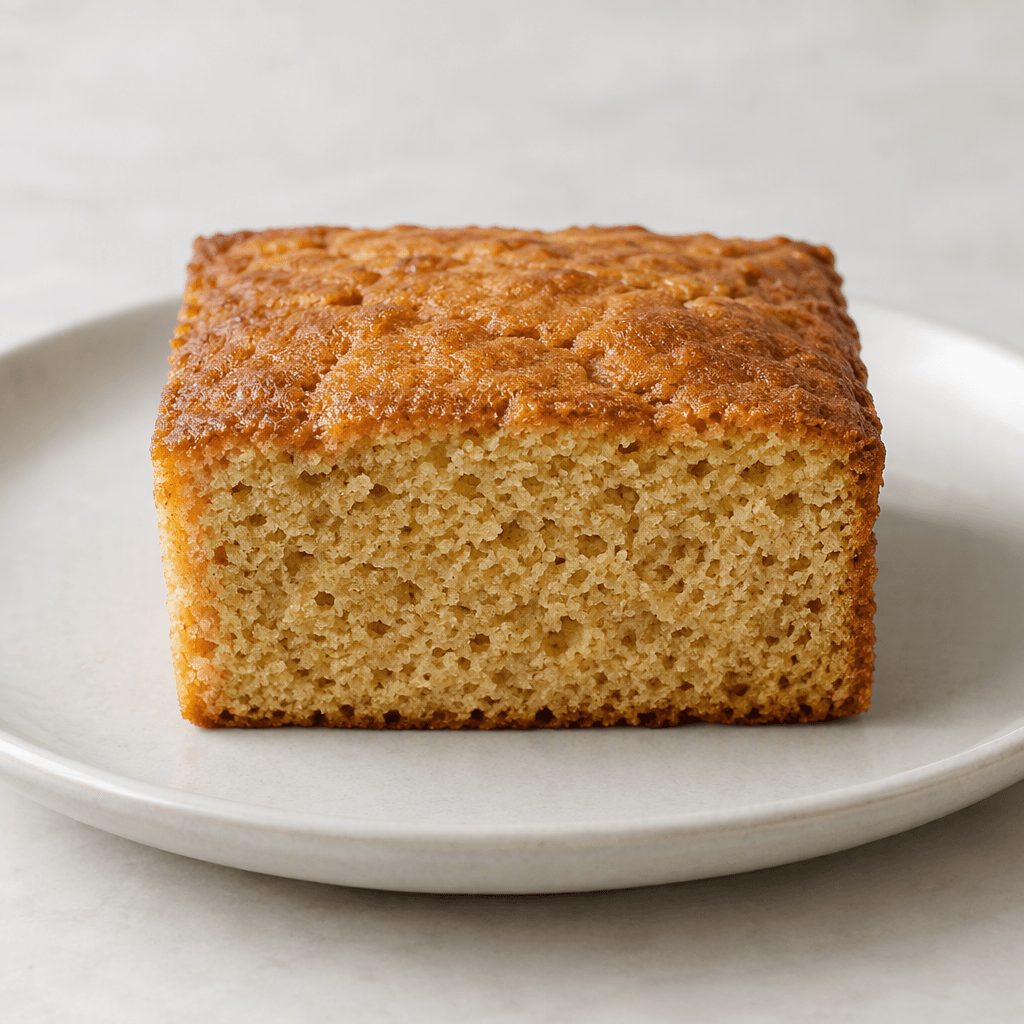
Protein cake Calories
High-protein, low-sugar cake
In season: Spring · Summer · Autumn · Winter
CALORIES
GI
POTASSIUM
FIBER
Quick answer
1 piece (medium) of Protein cake (60 g) has 150 calories. That works out to 250 calories per 100 g. It contains 13.2 g of carbs, 10.8 g of protein, 4.8 g of fat and 1.8 g of fiber. Its 84 mg of Phosphorus covers 12% of the Daily Value. Its glycemic index is 45 (medium), so it raises blood sugar at a moderate pace.
What is Protein cake?
Protein cake is a protein-enriched take on familiar cake, often made with ingredients such as protein powder, eggs or dairy, though recipes vary. It is a modern home-baking and fitness-friendly option rather than a traditional cake tied to one particular cuisine.
Its crumb is often compact and filling, with sweetness and flavour depending on the recipe. Enjoy it plain as a snack, with coffee or tea, or alongside fruit for breakfast. It stands out for its protein content, with 18 g per 100 g, while generally aiming for less sugar than conventional cake. If you want a lighter snack, choose a modest slice and pair it with fresh fruit.
Protein cake Nutrition Facts
Selected: 100 g
250
KCAL / 100G
Carbs
22g
· 8% DV
Protein
18g
· 36% DV
Fat
8g
· 10% DV
Fiber
3g
· 11% DV
DV is the share of the daily value covered, on a 2,000 kcal reference diet.
Calories come from: Carbs 38% · Protein 31% · Fat 31%
Protein cake Vitamins & Minerals
Vitamins
B2
0.18mg · 14% DV
B1
0.15mg · 13% DV
B12
0.3µg · 13% DV
B6
0.18mg · 11% DV
Minerals
Phosphorus
140mg · 20% DV
Selenium
7µg · 13% DV
Calcium
120mg · 12% DV
Zinc
1mg · 9% DV
How Nutritious Is Protein cake?
Nutrient density
Medium
How many vitamins, minerals and how much fiber this food carries per calorie. A high score means a lot of nutrition for few calories.
Satiety score
Medium
An EatBetter score computed from fiber, protein and calorie density. A high score means staying full longer on the same calories.
Both scores are calculated per 100 g and do not change with the selected portion. The satiety score is EatBetter's own calculation, not a clinical measure.
Protein cake Glycemic Index
GLYCEMIC INDEX
GLYCEMIC LOAD
Accounts for portion size — a more realistic measure than GI alone.
How to Burn Off Protein cake
To burn the 250 calories in 100 g:
🚶
Walking (5 km/h)
🏃
Running (8 km/h)
🚴
Cycling
🏊
Swimming
Times are calculated with the MET equation for a 70 kg adult. Actual burn varies with your weight, age and pace.
Is Protein cake Processed?
NOVA 3
Processed
1. Unprocessed
2. Minimally Processed
3. Processed
4. Ultra-Processed
NOVA classifies foods into 4 groups by industrial processing. NOVA 1 (unprocessed) is the healthiest.
Does Protein cake Contain Allergens?
Contains these allergens:
Which Diets Is Protein cake Good For?
Vegan
— Not suitable
Vegetarian
✓ Suitable
Gluten-Free
— Not suitable
Dairy-Free
— Not suitable
Mediterranean
— Not suitable
Paleo
— Not suitable
Whole30
— Not suitable
DASH
— Not suitable
Keto
— Not suitable
Low FODMAP
— Not suitable
Protein cake Fat Profile
SATURATED
2.2g
MONOUNSATURATED
2.6g
POLYUNSATURATED
1.1g
Omega 6:3 ratio 8.8:1
Above the ideal 4:1 (8.8:1).
Compare Protein cake
Foods Similar to Protein cake
Frequently Asked Questions About Protein cake
How do you make protein cake?
Protein cake is usually made by mixing eggs, flour, milk or yogurt, and protein powder, then baking the batter until set. Follow a recipe designed for protein powder: simply adding extra powder to a regular cake recipe can make it dry.
What does protein cake taste like?
Protein cake tastes like a denser, less sugary version of regular cake, though the flavor depends on the protein powder and other ingredients. Chocolate, banana, or vanilla can help balance the distinctive taste some protein powders leave behind.
Why does protein cake turn out dry?
Protein cake often turns dry when it contains too much protein powder or is baked for too long. Use a recipe with enough moisture, such as yogurt or mashed banana, and check the cake before the end of its baking time.
Can you make protein cake without protein powder?
Yes, you can make a higher-protein cake without protein powder by using ingredients such as eggs and Greek yogurt. The result will have a different protein content and texture from a recipe specifically formulated with protein powder.
Is protein cake healthy?
Protein cake can be a convenient, higher-protein treat, but it is still cake and its overall nutritional value depends on the recipe. Added sweeteners, fats, and portion size matter, so it is not automatically a healthier choice than every other snack.
Can you use whey protein in protein cake?
Yes, whey protein can be used in protein cake, but it absorbs liquid and can make the crumb firm or dry. Choose a recipe written for whey, and avoid swapping it one-for-one into a recipe made with another type of protein powder.
How long does protein cake last in the fridge?
Store protein cake in an airtight container in the refrigerator, especially if it contains eggs, milk, or yogurt. Its keeping time depends on the ingredients and handling; discard it if you notice mold, an unusual smell, or a changed texture.
Can protein cake be frozen?
Yes, protein cake freezes well when wrapped in individual portions and sealed in a freezer-safe container. Thaw a portion in the refrigerator or at room temperature, and avoid repeatedly thawing and refreezing the same cake.
Is protein cake good before a workout?
Protein cake can work as a pre-workout snack if you tolerate it well, but its dense texture may feel uncomfortable just before exercise. Try a small portion well ahead of training rather than eating a large piece immediately beforehand.
Can protein cake replace a protein shake?
Protein cake can provide protein as a snack, but it is not automatically interchangeable with a protein shake. Recipes vary in protein and other ingredients, while a shake is usually quicker to consume; choose based on your meal and convenience.
Have another question about Protein cake?
Ask the AI nutrition coach — calories, portions, alternatives and more, answered in seconds in the app.

Scan calories with your camera
Instant AI nutrition analysis

Nutrition data compiled from USDA FoodData Central and scientific sources.