

Ready & Packaged Foods
All →Vegetables & Legumes
All →Desserts & Confectionery
All →Meat & Protein
All →Grains & Bakery
All →Beverages
All →Milk & Dairy
All →

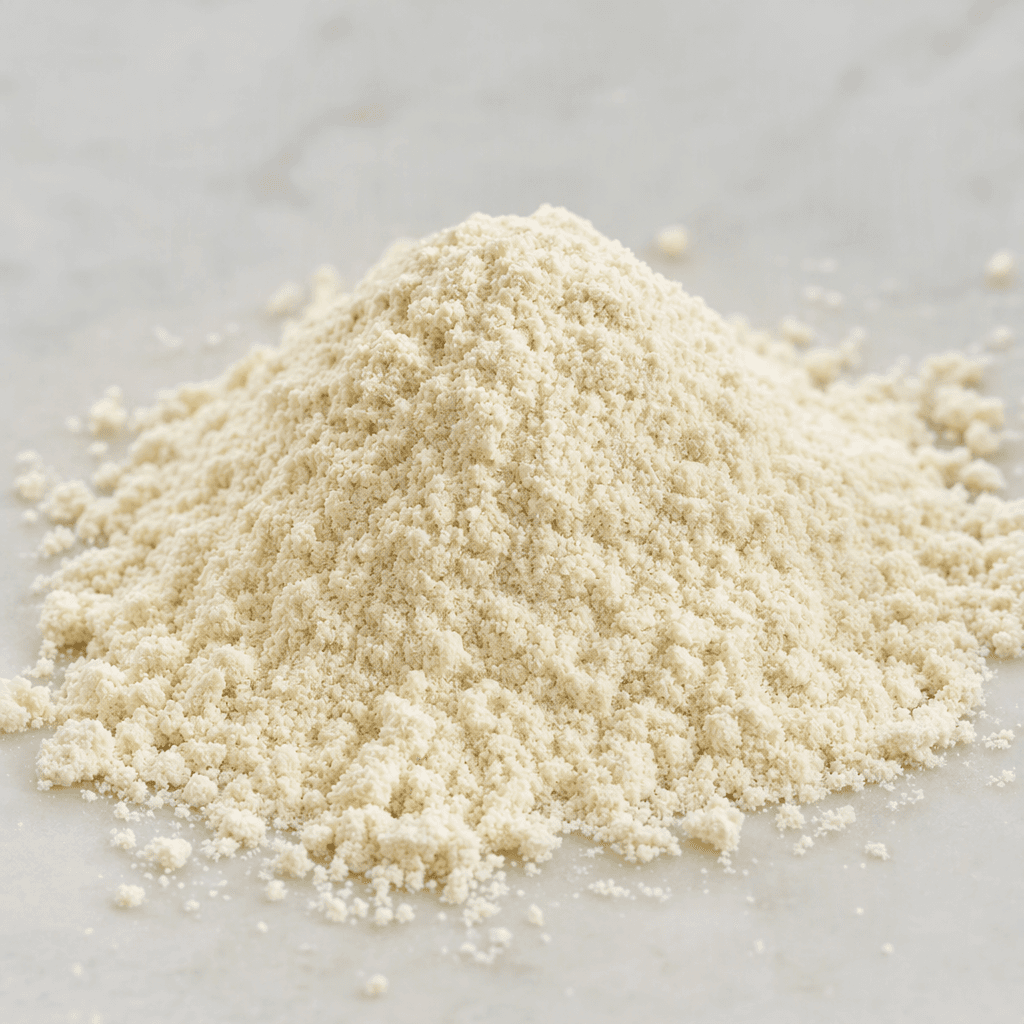
Ocean Creatine Protein Powder Calories
Detailed nutrition analysis with calories, glycemic index, vitamins and minerals.
CALORIES · 100 G
GI
POTASSIUM · 100 G
FIBER · 100 G
Quick answer
1 slice (medium) of Ocean Creatine Protein Powder (30 g) has 114 calories. That works out to 380 calories per 100 g. It contains 2.4 g of carbs, 22.5 g of protein, 1.2 g of fat and 0.6 g of fiber. Its 90 mg of Phosphorus covers 13% of the Daily Value. Its glycemic index is 25 (low), so it raises blood sugar slowly.
Ocean Creatine Protein Powder Nutrition Facts
Selected: 1 slice (medium) · 30 g
114
KCAL / 30G
Carbs
2.4g
· 1% DV
Protein
22.5g
· 45% DV
Fat
1.2g
· 2% DV
Fiber
0.6g
· 2% DV
DV is the share of the daily value covered, on a 2,000 kcal reference diet.
Calories come from: Carbs 9% · Protein 82% · Fat 9%
Ocean Creatine Protein Powder nutrition facts table · 1 slice (medium) (30 g)
| Nutrient | Amount | % DV |
|---|---|---|
| Calories | 114 kcal | |
| Total fat | 1.2 g | 2% |
| Saturated fat | 0.45 g | 2% |
| Trans fat | 0 g | |
| Sodium | 75 mg | 3% |
| Total carbohydrate | 2.4 g | 1% |
| Fiber | 0.6 g | 2% |
| Protein | 22.5 g | 45% |
Calories: Calories measure energy. Average daily need is 2,000 kcal. Excess calories are stored as fat, too few cause weight loss.
Carbs: Your body's primary energy source. The brain runs exclusively on carbs. Daily need: 275g.
Protein: Essential for muscle repair and cell growth. Daily need: 50g. Keeps you full and boosts metabolism.
Fat: Needed for hormone production and vitamin absorption. Daily need: 78g. Limit saturated fats, choose unsaturated.
Fiber: Critical for digestive health and satiety. Daily need: 28g. Stabilizes blood sugar, lowers cholesterol.

Log this food in EatBetter
100,000+ people use it
- Get your daily calorie target
- Snap your meal, log it in seconds
- See every vitamin and mineral

📸 Scan the code to get the app free.

How Many Calories in 1 Slice of Ocean Creatine Protein Powder?
| Serving | Amount | Calories |
|---|---|---|
| 1 slice (medium) | 30 g | 114 kcal |
| 1 tablespoon (small) | 10 g | 38 kcal |
| 1 tablespoon (medium) | 15 g | 57 kcal |
| 2 tablespoon (large) | 20 g | 76 kcal |
| 1 serving (medium) | 30 g | 114 kcal |
| 1 cup (large) | 80 g | 304 kcal |
| 100 g | 100 g | 380 kcal |
| 1 pack (jumbo) | 500 g | 1900 kcal |
Calculated from 380 calories per 100 g.
Frequently Asked Questions About Ocean Creatine Protein Powder
What is Ocean Creatine Protein Powder used for?
Ocean Creatine Protein Powder combines protein and creatine in one supplement. People commonly use it alongside resistance training to support protein intake and creatine supplementation; it does not build muscle without training and an adequate diet.
How do you take Ocean Creatine Protein Powder?
Mix Ocean Creatine Protein Powder according to the serving and preparation directions on its package. It can be stirred into water or milk; the nutrition figures provided are per 100 g, so use the product’s serving guidance rather than treating that as one serving.
Should you take Ocean Creatine Protein Powder before or after a workout?
You can take Ocean Creatine Protein Powder before or after a workout. For creatine, regular use according to the product directions matters more than a precise workout-time window; choose a time that is comfortable for you.
Can you mix Ocean Creatine Protein Powder with milk?
Yes, Ocean Creatine Protein Powder can be mixed with milk or water. Milk makes the drink richer and adds protein from dairy, while water gives a lighter mix. The product itself contains dairy, so it is not suitable for someone with a dairy allergy.
Do you need to take extra creatine with Ocean Creatine Protein Powder?
Not necessarily: Ocean Creatine Protein Powder is presented as a protein-and-creatine combination. Whether it provides the amount you intend to take depends on the creatine content per serving, so check the product directions before adding a separate creatine supplement.
Does Ocean Creatine Protein Powder cause water retention or bloating?
Creatine in Ocean Creatine Protein Powder may increase water held in muscle, which can temporarily raise scale weight. Some people also experience stomach discomfort; mixing it as directed and avoiding an oversized serving may help.
Can beginners use Ocean Creatine Protein Powder?
Yes, beginners can use Ocean Creatine Protein Powder if they follow its package directions and have no reason to avoid its ingredients. It is a supplement, not a substitute for learning sound training technique or eating a balanced diet.
Can you take Ocean Creatine Protein Powder on rest days?
Yes, Ocean Creatine Protein Powder can be used on rest days. Creatine use is not limited to workout sessions, so follow the product’s regular-use directions rather than taking extra to compensate for a missed serving.
Can Ocean Creatine Protein Powder replace a meal?
No, Ocean Creatine Protein Powder is not a complete meal replacement. It provides protein and creatine, but it does not offer the range of foods and nutrients found in a balanced meal.
Is Ocean Creatine Protein Powder safe for people with kidney disease?
People with kidney disease should ask their doctor before using Ocean Creatine Protein Powder. Creatine use may require individual assessment, and a clinician can consider kidney function, other supplements, and any medicines you take.
Ocean Creatine Protein Powder Vitamins & Minerals
Vitamins
B12
0.15µg · 6% DV
B6
0.09mg · 5% DV
B2
0.06mg · 5% DV
B1
0.03mg · 3% DV
Minerals
Phosphorus
90mg · 13% DV
Calcium
60mg · 6% DV
Magnesium
18mg · 4% DV
Potassium ⭐
120mg · 4% DV
Sodium
75mg · 3% DV
Ocean Creatine Protein Powder Glycemic Index
GLYCEMIC INDEX
GLYCEMIC LOAD
Accounts for portion size — a more realistic measure than GI alone.
How to Burn Off Ocean Creatine Protein Powder
To burn the 114 calories in 1 slice (medium) (30 g):
🚶
Walking (5 km/h)
🏃
Running (8 km/h)
🚴
Cycling
🏊
Swimming
Times are calculated with the MET equation for a 70 kg adult. Actual burn varies with your weight, age and pace.
What is Ocean Creatine Protein Powder?
Ocean Creatine Protein Powder is a powdered supplement combining protein with creatine, usually mixed into water or milk. It is commonly used as a drink around a workout, though it can also be stirred into porridge or yoghurt. The flavour and thickness depend on the variety and what you mix it with; shaking it well helps give a smoother drink.
Its nutritional profile is protein-focused: each 100 g provides 75 g of protein, with relatively little carbohydrate. For a lighter-tasting shake, mix it with water rather than milk, and follow the product label for serving guidance. It fits most naturally alongside meals and snacks, rather than being treated as a meal on its own.
How Nutritious Is Ocean Creatine Protein Powder?
Nutrient density
High
How many vitamins, minerals and how much fiber this food carries per calorie. A high score means a lot of nutrition for few calories.
Satiety score
Medium
An EatBetter score computed from fiber, protein and calorie density. A high score means staying full longer on the same calories.
Both scores are calculated per 100 g and do not change with the selected portion. The satiety score is EatBetter's own calculation, not a clinical measure.
Is Ocean Creatine Protein Powder Processed?
NOVA 3
Processed
1. Unprocessed
2. Minimally Processed
3. Processed
4. Ultra-Processed
NOVA classifies foods into 4 groups by industrial processing. NOVA 1 (unprocessed) is the healthiest.
Does Ocean Creatine Protein Powder Contain Allergens?
Contains these allergens:
Which Diets Is Ocean Creatine Protein Powder Good For?
Vegan
— Not suitable
Vegetarian
— Not suitable
Gluten-Free
— Not suitable
Dairy-Free
— Not suitable
Mediterranean
✓ Suitable
Paleo
✓ Suitable
Whole30
— Not suitable
DASH
— Not suitable
Keto
— Not suitable
Low FODMAP
— Not suitable
Ocean Creatine Protein Powder Fat Profile
SATURATED
0.45g
MONOUNSATURATED
0.3g
POLYUNSATURATED
0.3g
Omega 6:3 ratio 2:1
Below the ideal 4:1 — a good omega balance.
Compare Ocean Creatine Protein Powder
Foods Similar to Ocean Creatine Protein Powder
Have another question about Ocean Creatine Protein Powder?
Ask the AI nutrition coach — calories, portions, alternatives and more, answered in seconds in the app.

Scan calories with your camera
Instant AI nutrition analysis

Nutrition data compiled from USDA FoodData Central and scientific sources.