

Ready & Packaged Foods
All →Vegetables & Legumes
All →Desserts & Confectionery
All →Meat & Protein
All →Grains & Bakery
All →Beverages
All →Milk & Dairy
All →

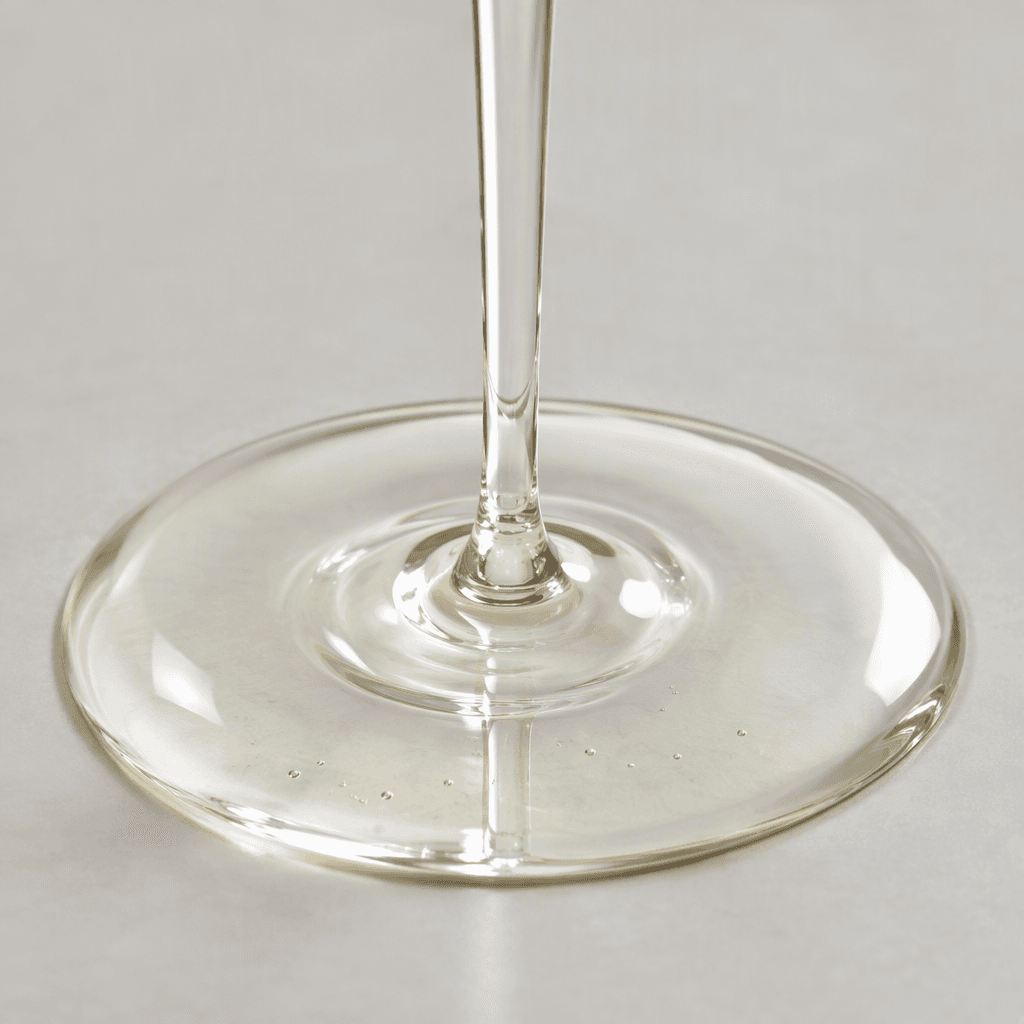
MCT Oil (Protein Ocean) Calories
Quick energy, keto-friendly, easy digestion
In season: Spring · Summer · Autumn · Winter
CALORIES · 100 G
GI
POTASSIUM · 100 G
FIBER · 100 G
Quick answer
1 tablespoon (medium) of MCT Oil (Protein Ocean) (14 g) has 116 calories. That works out to 860 calories per 100 g. It contains 0 g of carbs, 0 g of protein, 13.5 g of fat and 0 g of fiber. Its glycemic index is 0 (low), so it raises blood sugar slowly.
MCT Oil (Protein Ocean) Nutrition Facts
Selected: 1 tablespoon (medium) · 13.5 g
116
KCAL / 13.5G
Carbs
0g
· 0% DV
Protein
0g
· 0% DV
Fat
13.5g
· 17% DV
Fiber
0g
· 0% DV
DV is the share of the daily value covered, on a 2,000 kcal reference diet.
Calories come from: Carbs 0% · Protein 0% · Fat 100%
MCT Oil (Protein Ocean) nutrition facts table · 1 tablespoon (medium) (13.5 g)
| Nutrient | Amount | % DV |
|---|---|---|
| Calories | 116 kcal | |
| Total fat | 13.5 g | 17% |
| Saturated fat | 13.37 g | 67% |
| Trans fat | 0 g | |
| Sodium | 0 mg | 0% |
| Total carbohydrate | 0 g | 0% |
| Fiber | 0 g | 0% |
| Protein | 0 g | 0% |
Calories: Calories measure energy. Average daily need is 2,000 kcal. Excess calories are stored as fat, too few cause weight loss.
Carbs: Your body's primary energy source. The brain runs exclusively on carbs. Daily need: 275g.
Protein: Essential for muscle repair and cell growth. Daily need: 50g. Keeps you full and boosts metabolism.
Fat: Needed for hormone production and vitamin absorption. Daily need: 78g. Limit saturated fats, choose unsaturated.
Fiber: Critical for digestive health and satiety. Daily need: 28g. Stabilizes blood sugar, lowers cholesterol.

Log this food in EatBetter
100,000+ people use it
- Get your daily calorie target
- Snap your meal, log it in seconds
- See every vitamin and mineral

📸 Scan the code to get the app free.

How Many Calories in 1 Tablespoon of MCT Oil (Protein Ocean)?
| Serving | Amount | Calories |
|---|---|---|
| 1 tablespoon (medium) | 13.5 g | 116 kcal |
| 1 teaspoon (small) | 4.5 g | 39 kcal |
| 1 serving (medium) | 15 g | 129 kcal |
| 2 tablespoon (large) | 27 g | 232 kcal |
| 1 ounce (medium) | 28 g | 241 kcal |
| 100 g | 100 g | 860 kcal |
| 1 cup (large) | 218 g | 1875 kcal |
| 1 bottle (large) | 250 g | 2150 kcal |
| 1 pack (jumbo) | 500 g | 4300 kcal |
Calculated from 860 calories per 100 g.
Frequently Asked Questions About MCT Oil (Protein Ocean)
What is MCT oil (Protein Ocean) made from?
MCT oil is made of medium-chain triglycerides, usually separated from coconut oil or palm kernel oil. The exact source and mix of MCT types can vary by product, so the name alone does not identify its specific ingredients.
What are the benefits of MCT oil (Protein Ocean)?
MCT oil is absorbed and used differently from many longer-chain fats, and it can provide a quickly available energy source. These properties do not make it a treatment or guarantee improved athletic performance, focus, or weight loss.
Can you put MCT oil (Protein Ocean) in coffee?
Yes, MCT oil can be mixed into coffee. Blend or stir it thoroughly so it disperses, and remember that adding oil makes the drink more energy-dense and can cause stomach discomfort in some people.
Does MCT oil (Protein Ocean) help you lose weight?
MCT oil is not a weight-loss shortcut. Adding it to meals or drinks adds fat; replacing another ingredient is different from simply adding it, and the oil itself does not cause body fat to disappear.
Can MCT oil (Protein Ocean) help you get into ketosis?
MCT oil can increase ketone production, but it does not guarantee that you will enter ketosis. Your overall carbohydrate intake and individual response still matter, so it is not a substitute for following your chosen eating plan.
What are the side effects of MCT oil (Protein Ocean)?
MCT oil can cause diarrhea, nausea, cramps, or bloating, especially when someone takes too much or starts with a large amount. Begin with a small amount and stop or reduce it if digestive symptoms appear.
How is MCT oil (Protein Ocean) different from coconut oil?
MCT oil concentrates medium-chain fats, while coconut oil contains a broader mixture of fats, including a substantial amount of lauric acid. They are not interchangeable in every recipe, and their flavor and cooking behavior may differ.
Can you cook with MCT oil (Protein Ocean)?
You can add MCT oil to cooked food, but it is not the best default choice for high-heat frying. Add it after cooking or use it in cold dishes unless the product instructions specify a suitable heating use.
Does MCT oil (Protein Ocean) break a fast?
Yes, MCT oil contains energy, so consuming it breaks a calorie-free fast. Some people include it during a modified fasting routine, but that is different from fasting without calories.
Is MCT oil (Protein Ocean) easier to digest than other oils?
MCT oil is absorbed differently from many longer-chain fats, but it is not guaranteed to feel easier on the stomach. Larger amounts can cause digestive symptoms, so try a small amount first rather than assuming it will suit you.
MCT Oil (Protein Ocean) Vitamins & Minerals
Vitamins
Vitamin E
0.03mg · 0% DV
Vitamin A
0µg · 0% DV
B1
0mg · 0% DV
B2
0mg · 0% DV
Minerals
Calcium
0mg · 0% DV
Iron
0mg · 0% DV
Magnesium
0mg · 0% DV
Zinc
0mg · 0% DV
Sodium
0mg · 0% DV
Potassium ⭐
0mg · 0% DV
MCT Oil (Protein Ocean) Glycemic Index
GLYCEMIC INDEX
GLYCEMIC LOAD
Accounts for portion size — a more realistic measure than GI alone.
How to Burn Off MCT Oil (Protein Ocean)
To burn the 116 calories in 1 tablespoon (medium) (13.5 g):
🚶
Walking (5 km/h)
🏃
Running (8 km/h)
🚴
Cycling
🏊
Swimming
Times are calculated with the MET equation for a 70 kg adult. Actual burn varies with your weight, age and pace.
What is MCT Oil (Protein Ocean)?
MCT Oil (Protein Ocean) is a bottled oil made up of medium-chain triglycerides. It is pourable and usually mild in flavour, so it can be added to drinks or food without dominating their taste. People commonly stir it into coffee, blend it into smoothies, or drizzle it over finished dishes; it is also used in low-carbohydrate and keto-style recipes.
Its nutritional profile is almost entirely fat, with no protein or carbohydrate, making it a concentrated source of energy rather than a balanced food on its own. Try a small amount first, as a generous pour may not suit everyone. It works best mixed into prepared food or a drink rather than used for high-heat frying.
How Nutritious Is MCT Oil (Protein Ocean)?
Nutrient density
Low
How many vitamins, minerals and how much fiber this food carries per calorie. A high score means a lot of nutrition for few calories.
Satiety score
Low
An EatBetter score computed from fiber, protein and calorie density. A high score means staying full longer on the same calories.
Both scores are calculated per 100 g and do not change with the selected portion. The satiety score is EatBetter's own calculation, not a clinical measure.
Is MCT Oil (Protein Ocean) Processed?
NOVA 3
Processed
1. Unprocessed
2. Minimally Processed
3. Processed
4. Ultra-Processed
NOVA classifies foods into 4 groups by industrial processing. NOVA 1 (unprocessed) is the healthiest.
Does MCT Oil (Protein Ocean) Contain Allergens?
No known major allergens
Which Diets Is MCT Oil (Protein Ocean) Good For?
Vegan
— Not suitable
Vegetarian
— Not suitable
Gluten-Free
✓ Suitable
Dairy-Free
— Not suitable
Mediterranean
✓ Suitable
Paleo
✓ Suitable
Whole30
— Not suitable
DASH
— Not suitable
Keto
✓ Suitable
Low FODMAP
— Not suitable
MCT Oil (Protein Ocean) Fat Profile
SATURATED
13.37g
MONOUNSATURATED
0.09g
POLYUNSATURATED
0.03g
Compare MCT Oil (Protein Ocean)
Foods Similar to MCT Oil (Protein Ocean)
Have another question about MCT Oil (Protein Ocean)?
Ask the AI nutrition coach — calories, portions, alternatives and more, answered in seconds in the app.

Scan calories with your camera
Instant AI nutrition analysis

Nutrition data compiled from USDA FoodData Central and scientific sources.