

Ready & Packaged Foods
All →Vegetables & Legumes
All →Desserts & Confectionery
All →Meat & Protein
All →Grains & Bakery
All →Beverages
All →Milk & Dairy
All →

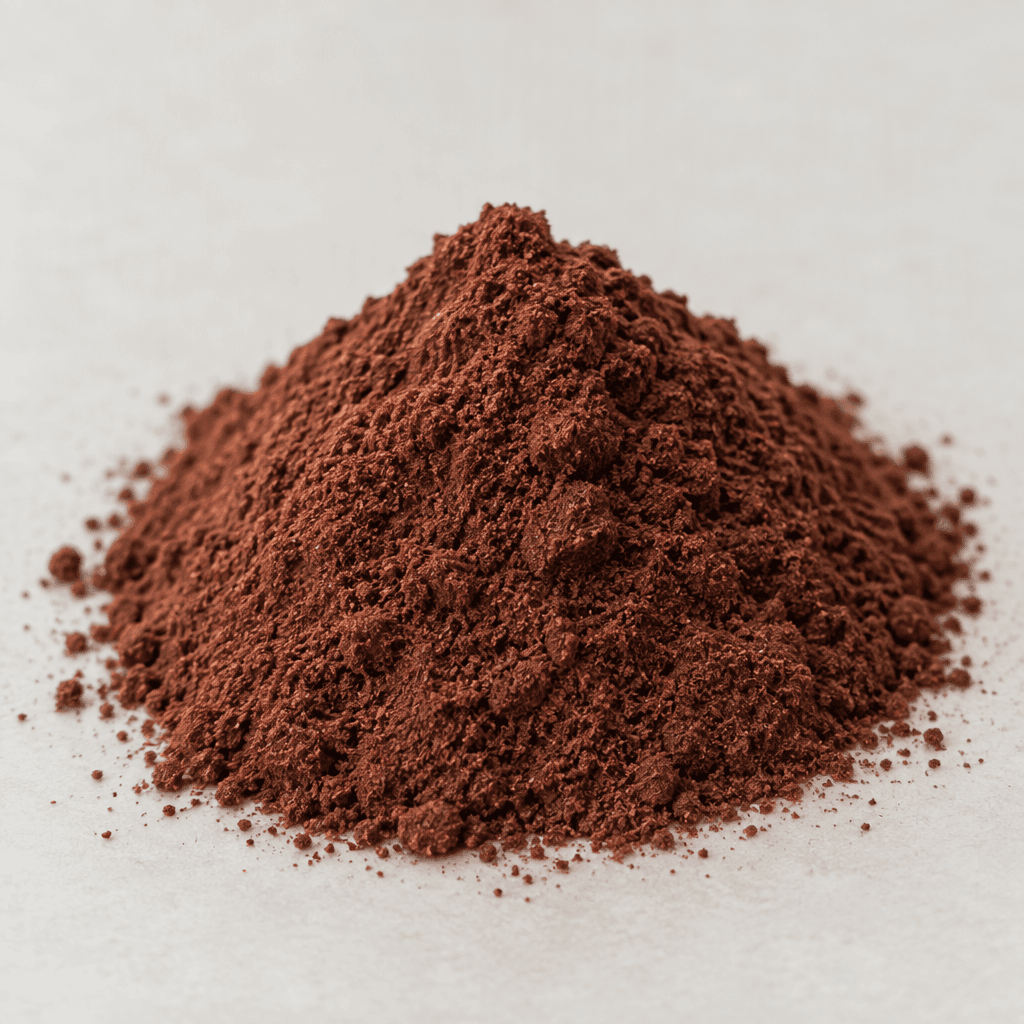
Grape Seed Extract Calories
Powerful antioxidant, polyphenols, heart health support
CALORIES · 100 G
GI
POTASSIUM · 100 G
FIBER · 100 G
Quick answer
1 teaspoon (medium) of Grape Seed Extract (3 g) has 10 calories. That works out to 320 calories per 100 g. It contains 1.1 g of carbs, 0.2 g of protein, 0.2 g of fat and 0.8 g of fiber. Its glycemic index is 5 (low), so it raises blood sugar slowly.
Grape Seed Extract Nutrition Facts
Selected: 1 teaspoon (medium) · 3 g
10
KCAL / 3G
Carbs
1.1g
· 0% DV
Protein
0.2g
· 0% DV
Fat
0.2g
· 0% DV
Fiber
0.8g
· 3% DV
DV is the share of the daily value covered, on a 2,000 kcal reference diet.
Calories come from: Carbs 63% · Protein 11% · Fat 26%
Grape Seed Extract nutrition facts table · 1 teaspoon (medium) (3 g)
| Nutrient | Amount | % DV |
|---|---|---|
| Calories | 10 kcal | |
| Total fat | 0.2 g | 0% |
| Saturated fat | 0.02 g | 0% |
| Trans fat | 0 g | |
| Sodium | 0.3 mg | 0% |
| Total carbohydrate | 1.1 g | 0% |
| Fiber | 0.8 g | 3% |
| Protein | 0.2 g | 0% |
Calories: Calories measure energy. Average daily need is 2,000 kcal. Excess calories are stored as fat, too few cause weight loss.
Carbs: Your body's primary energy source. The brain runs exclusively on carbs. Daily need: 275g.
Protein: Essential for muscle repair and cell growth. Daily need: 50g. Keeps you full and boosts metabolism.
Fat: Needed for hormone production and vitamin absorption. Daily need: 78g. Limit saturated fats, choose unsaturated.
Fiber: Critical for digestive health and satiety. Daily need: 28g. Stabilizes blood sugar, lowers cholesterol.

Log this food in EatBetter
100,000+ people use it
- Get your daily calorie target
- Snap your meal, log it in seconds
- See every vitamin and mineral

📸 Scan the code to get the app free.

How Many Calories in 1 Teaspoon of Grape Seed Extract?
| Serving | Amount | Calories |
|---|---|---|
| 1 teaspoon (medium) | 3 g | 10 kcal |
| 1 g | 1 g | 3 kcal |
| 1 serving (medium) | 5 g | 16 kcal |
| 1 tablespoon (small) | 5 g | 16 kcal |
| 2 teaspoon (large) | 6 g | 19 kcal |
| 1 tablespoon (medium) | 9 g | 29 kcal |
| 1 serving (large) | 10 g | 32 kcal |
| 1 pack (medium) | 30 g | 96 kcal |
| 100 g | 100 g | 320 kcal |
Calculated from 320 calories per 100 g.
Frequently Asked Questions About Grape Seed Extract
What is grape seed extract used for?
Grape seed extract is a supplement made from grape seeds and concentrated in plant compounds called polyphenols. People commonly take it for its antioxidant content and possible support for circulation, but it is not a proven treatment for any disease.
What are the benefits of grape seed extract?
Grape seed extract may offer antioxidant effects, and research has examined possible benefits for blood pressure and circulation. Findings are not strong enough to show that it prevents or treats heart disease, so it should not replace prescribed care.
How much grape seed extract should you take a day?
There is no single daily dose of grape seed extract established for everyone. Products vary in concentration, so do not use a typical food serving as a supplement dose; follow the directions for the specific product and avoid exceeding them.
Should you take grape seed extract with food?
Grape seed extract can generally be taken with or without food, depending on the product directions. Taking it with a meal may be more comfortable if it upsets your stomach; capsules, powders, and liquids may have different instructions.
What are the side effects of grape seed extract?
Grape seed extract can cause headache, dizziness, nausea, or itching in some people. Stop taking it if you develop an unexpected reaction, and use caution if you have an allergy to grapes or related products.
Does grape seed extract lower blood pressure?
Grape seed extract may modestly lower blood pressure in some people, but it is not a substitute for blood pressure medicine. Combining it with blood-pressure-lowering drugs could make pressure drop too far or cause dizziness.
Does grape seed extract interact with blood thinners?
Grape seed extract may affect blood clotting, so combining it with blood thinners could increase bleeding risk. Tell your healthcare team if you take it before surgery, and do not change a prescribed medicine dose on your own.
Is grape seed extract safe during pregnancy?
Grape seed extract has not been studied enough to establish its safety during pregnancy or breastfeeding. Ask your doctor or pharmacist before using it as a supplement; eating grapes does not establish the safety of a concentrated extract.
Is grape seed extract the same as grape seed oil?
No, grape seed extract and grape seed oil are different products. The extract is concentrated for plant compounds such as polyphenols, while the oil is pressed from the seeds and is mainly used as a cooking oil.
Can grape seed extract help with varicose veins?
There is not strong evidence that grape seed extract treats or removes varicose veins. Research has explored possible effects on circulation, but the supplement should not replace medical care for persistent pain, swelling, or skin changes.
Grape Seed Extract Vitamins & Minerals
Vitamins
B1
0.01mg · 1% DV
Vitamin E
0.05mg · 0% DV
B2
0mg · 0% DV
B5
0.01mg · 0% DV
Minerals
Manganese
0.03mg · 1% DV
Copper
0.01mg · 1% DV
Magnesium
3.6mg · 1% DV
Iron
0.11mg · 1% DV
Potassium ⭐
7.5mg · 0% DV
Sodium
0.3mg · 0% DV
Grape Seed Extract Glycemic Index
GLYCEMIC INDEX
GLYCEMIC LOAD
Accounts for portion size — a more realistic measure than GI alone.
How to Burn Off Grape Seed Extract
To burn the 10 calories in 1 teaspoon (medium) (3 g):
🚶
Walking (5 km/h)
🏃
Running (8 km/h)
🚴
Cycling
🏊
Swimming
Times are calculated with the MET equation for a 70 kg adult. Actual burn varies with your weight, age and pace.
What is Grape Seed Extract?
Grape Seed Extract is a concentrated plant product made from the seeds left after grapes are pressed or processed. It is sold mainly as a powder or in capsules, rather than eaten like whole grapes, and is used in small amounts as a supplement or an occasional addition to food.
The powder can taste mildly bitter or astringent, so it is often stirred into yogurt, water or a smoothie; capsules are taken as directed on the product label. It is noted for its polyphenols, while the nutrition table also lists fibre. A typical serving is about 3 g, so blending the powder with fruit or yogurt can make its flavour gentler.
How Nutritious Is Grape Seed Extract?
Nutrient density
High
How many vitamins, minerals and how much fiber this food carries per calorie. A high score means a lot of nutrition for few calories.
Satiety score
Medium
An EatBetter score computed from fiber, protein and calorie density. A high score means staying full longer on the same calories.
Both scores are calculated per 100 g and do not change with the selected portion. The satiety score is EatBetter's own calculation, not a clinical measure.
Is Grape Seed Extract Processed?
NOVA 3
Processed
1. Unprocessed
2. Minimally Processed
3. Processed
4. Ultra-Processed
NOVA classifies foods into 4 groups by industrial processing. NOVA 1 (unprocessed) is the healthiest.
Does Grape Seed Extract Contain Allergens?
No known major allergens
Which Diets Is Grape Seed Extract Good For?
Vegan
✓ Suitable
Vegetarian
✓ Suitable
Gluten-Free
✓ Suitable
Dairy-Free
— Not suitable
Mediterranean
✓ Suitable
Paleo
✓ Suitable
Whole30
— Not suitable
DASH
— Not suitable
Keto
— Not suitable
Low FODMAP
— Not suitable
Grape Seed Extract Fat Profile
SATURATED
0.02g
MONOUNSATURATED
0.04g
POLYUNSATURATED
0.22g
Omega 6:3 ratio 22:1
Above the ideal 4:1 (22:1).
Compare Grape Seed Extract
Foods Similar to Grape Seed Extract
Have another question about Grape Seed Extract?
Ask the AI nutrition coach — calories, portions, alternatives and more, answered in seconds in the app.

Scan calories with your camera
Instant AI nutrition analysis

Nutrition data compiled from USDA FoodData Central and scientific sources.