

Ready & Packaged Foods
All →Vegetables & Legumes
All →Desserts & Confectionery
All →Meat & Protein
All →Grains & Bakery
All →Beverages
All →Milk & Dairy
All →

Buckwheat Flour Calories
Gluten-free, source of fiber and magnesium, low glycemic index
In season: Spring · Summer · Autumn · Winter
CALORIES
GI
POTASSIUM
FIBER
Quick answer
1 cup (medium) of Buckwheat Flour (120 g) has 412 calories. That works out to 343 calories per 100 g. It contains 85.8 g of carbs, 16 g of protein, 4.1 g of fat and 12 g of fiber. Its 1.3 mg of Copper covers 147% of the Daily Value. Its glycemic index is 49 (medium), so it raises blood sugar at a moderate pace.
What is Buckwheat Flour?
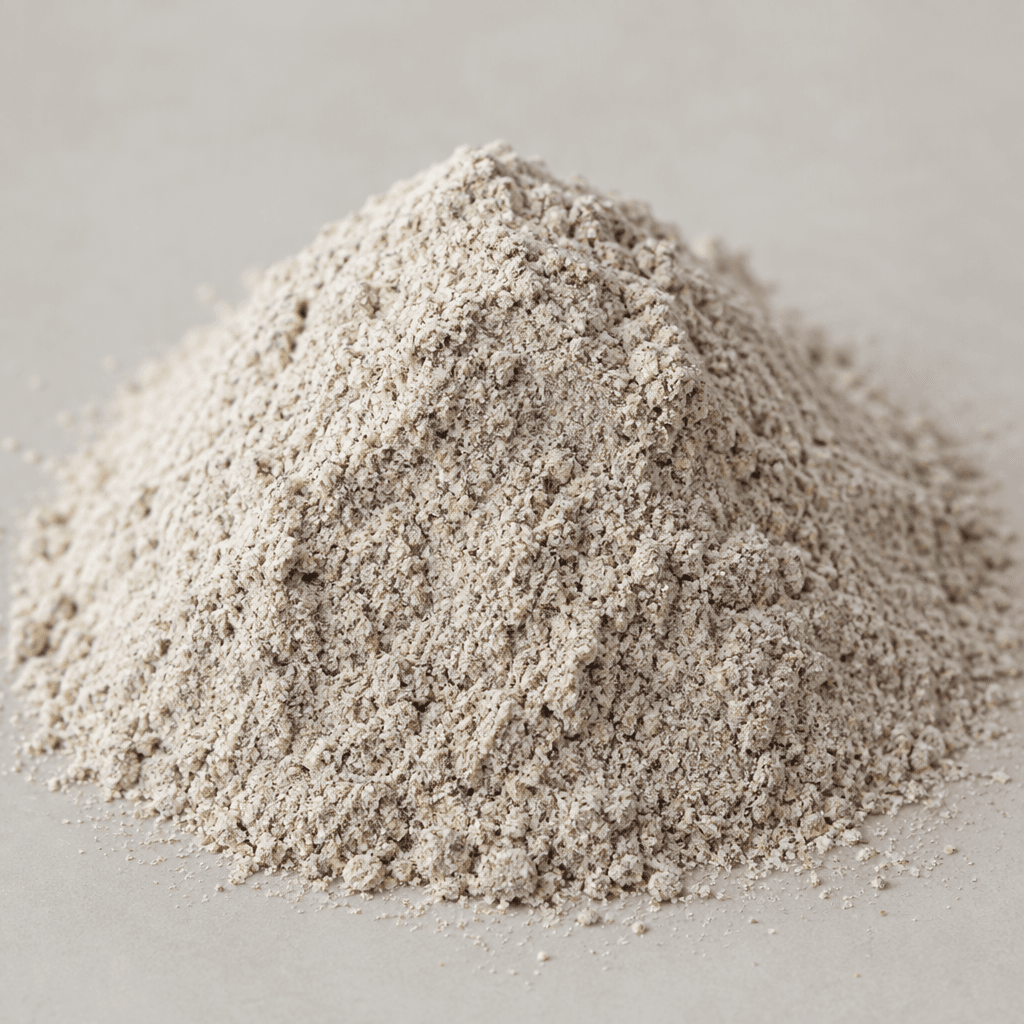
Buckwheat flour is made by grinding buckwheat seeds; despite the name, buckwheat is not a type of wheat. It has a gently earthy, nutty flavour and a greyish-beige colour. Used on its own, it tends to make batters and doughs more delicate and dense than wheat flour does.
It is used in buckwheat pancakes and savoury crêpes, and can be added to breads or baking mixes. In Turkey, it is a handy choice for gluten-free home cooking, from breakfast pancakes to savoury flatbreads. It contributes fibre, magnesium and plant-based protein. For a softer texture and dough that holds together more easily, combine it with another flour rather than relying on it alone.
Buckwheat Flour Nutrition Facts
Selected: 100 g
343
KCAL / 100G
Carbs
71.5g
· 26% DV
Protein
13.3g
· 27% DV
Fat
3.4g
· 4% DV
Fiber
10g
· 36% DV
DV is the share of the daily value covered, on a 2,000 kcal reference diet.
Calories come from: Carbs 77% · Protein 14% · Fat 9%

Log this food in EatBetter
100,000+ people use it
- Get your daily calorie target
- Snap your meal, log it in seconds
- See every vitamin and mineral

📸 Scan the code to get the app free.

Buckwheat Flour Vitamins & Minerals
Vitamins
B3
7mg · 44% DV
B1
0.4mg · 33% DV
B2
0.43mg · 33% DV
B5
1.2mg · 24% DV
Minerals
Copper
1mg · 111% DV
Magnesium
231mg · 55% DV
Phosphorus
347mg · 50% DV
Manganese
1mg · 43% DV
Potassium ⭐
577mg · 17% DV
How Nutritious Is Buckwheat Flour?
Nutrient density
High
How many vitamins, minerals and how much fiber this food carries per calorie. A high score means a lot of nutrition for few calories.
Satiety score
Medium
An EatBetter score computed from fiber, protein and calorie density. A high score means staying full longer on the same calories.
Both scores are calculated per 100 g and do not change with the selected portion. The satiety score is EatBetter's own calculation, not a clinical measure.
Buckwheat Flour Glycemic Index
GLYCEMIC INDEX
GLYCEMIC LOAD
Accounts for portion size — a more realistic measure than GI alone.
How to Burn Off Buckwheat Flour
To burn the 343 calories in 100 g:
🚶
Walking (5 km/h)
🏃
Running (8 km/h)
🚴
Cycling
🏊
Swimming
Times are calculated with the MET equation for a 70 kg adult. Actual burn varies with your weight, age and pace.
Is Buckwheat Flour Processed?
NOVA 2
Minimally Processed
1. Unprocessed
2. Minimally Processed
3. Processed
4. Ultra-Processed
NOVA classifies foods into 4 groups by industrial processing. NOVA 1 (unprocessed) is the healthiest.
Does Buckwheat Flour Contain Allergens?
No known major allergens
Which Diets Is Buckwheat Flour Good For?
Vegan
✓ Suitable
Vegetarian
✓ Suitable
Gluten-Free
✓ Suitable
Dairy-Free
— Not suitable
Mediterranean
✓ Suitable
Paleo
✓ Suitable
Whole30
— Not suitable
DASH
— Not suitable
Keto
— Not suitable
Low FODMAP
— Not suitable
Buckwheat Flour Fat Profile
SATURATED
0.7g
MONOUNSATURATED
1g
POLYUNSATURATED
1.5g
Omega 6:3 ratio 16.2:1
Above the ideal 4:1 (16.2:1).
Compare Buckwheat Flour
Foods Similar to Buckwheat Flour
Frequently Asked Questions About Buckwheat Flour
Can you use buckwheat flour instead of all-purpose flour?
Yes, but buckwheat flour is not a reliable one-for-one swap in every recipe. It has no gluten, so it works well in pancakes and some cookies, while yeast breads usually need a gluten-free flour blend or a binder for structure.
Can you make bread with buckwheat flour?
Yes, you can make bread with buckwheat flour. Since it contains no gluten, the loaf will not stretch or rise like wheat bread; psyllium, eggs, or a suitable gluten-free flour blend can help hold the crumb together.
What does buckwheat flour taste like?
Buckwheat flour has a distinct earthy, nutty flavor. It stands out in pancakes, noodles, and savory baked goods, so pairing it with ingredients such as mushrooms, cheese, or herbs can balance its robust taste.
Why does buckwheat flour make crumbly dough?
Buckwheat flour makes crumbly dough because it lacks gluten, the network that gives wheat dough elasticity. Add a binder such as egg, psyllium, or flaxseed gel, and let the dough rest so it can absorb the liquid more evenly.
Can buckwheat flour be used for pancakes?
Yes, buckwheat flour is a popular choice for pancakes. It gives them a hearty, nutty flavor; if the batter seems fragile, adding an egg and letting it rest briefly can make the pancakes easier to turn.
How should you store buckwheat flour?
Store buckwheat flour in an airtight container in a cool, dry place, away from heat and sunlight. For longer storage, refrigeration or freezing helps preserve its freshness; bring it to room temperature while still sealed to limit condensation.
Does buckwheat flour go rancid?
Yes, buckwheat flour can turn rancid over time, especially when exposed to heat, air, or moisture. Discard it if it smells sharply bitter, stale, or paint-like, or if you notice damp clumps or signs of mold.
Can you make buckwheat flour tortillas or wraps?
Yes, buckwheat flour can be used for tortillas and wraps, though the dough is less flexible than wheat dough because it has no gluten. A binder and warm water help make it easier to roll without cracking.
Is buckwheat flour the same as flour made from wheat?
No, buckwheat flour is made from buckwheat seeds, not wheat, despite the name. Its flavor and baking behavior are different, and it does not form the elastic gluten network that makes wheat dough stretch.
Can you eat raw buckwheat flour?
No, it is safer to eat buckwheat flour only after cooking or baking it. Raw flour can carry microbes that are destroyed by heat, so avoid tasting uncooked batter or dough made with it.
Have another question about Buckwheat Flour?
Ask the AI nutrition coach — calories, portions, alternatives and more, answered in seconds in the app.

Scan calories with your camera
Instant AI nutrition analysis

Nutrition data compiled from USDA FoodData Central and scientific sources.