

Ready & Packaged Foods
All →Vegetables & Legumes
All →Desserts & Confectionery
All →Meat & Protein
All →Grains & Bakery
All →Beverages
All →Milk & Dairy
All →

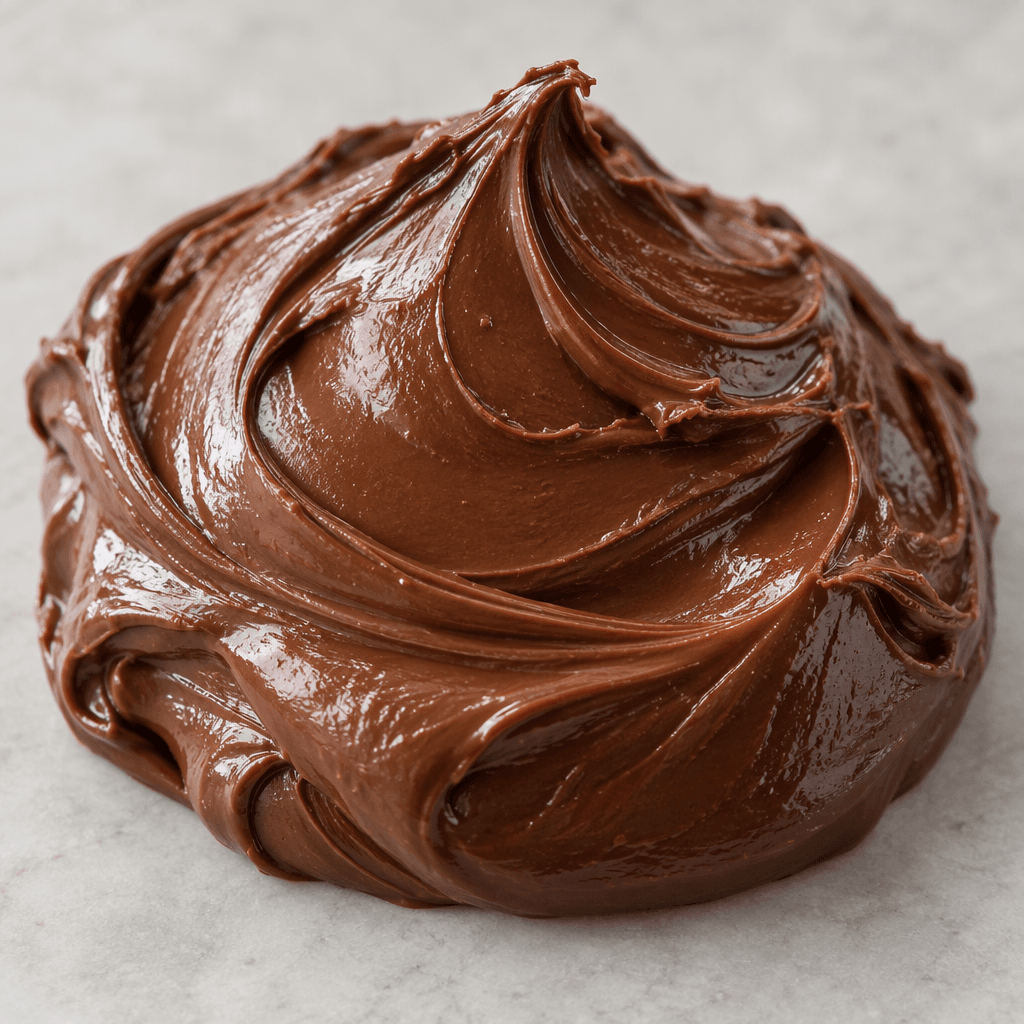
Bitter hazelnut spread Calories
Cocoa and hazelnut spread
In season: Spring · Summer · Autumn · Winter
CALORIES · 100 G
GI
POTASSIUM · 100 G
FIBER · 100 G
Quick answer
1 tablespoon (medium) of Bitter hazelnut spread (20 g) has 108 calories. That works out to 539 calories per 100 g. It contains 11.4 g of carbs, 1.2 g of protein, 6.2 g of fat and 1.2 g of fiber. Its 0.1 mg of Copper covers 9% of the Daily Value. Its glycemic index is 38 (low), so it raises blood sugar slowly.
Bitter hazelnut spread Nutrition Facts
Selected: 1 tablespoon (medium) · 20 g
108
KCAL / 20G
Carbs
11.4g
· 4% DV
Protein
1.2g
· 2% DV
Fat
6.2g
· 8% DV
Fiber
1.2g
· 4% DV
DV is the share of the daily value covered, on a 2,000 kcal reference diet.
Calories come from: Carbs 43% · Protein 5% · Fat 52%
Bitter hazelnut spread nutrition facts table · 1 tablespoon (medium) (20 g)
| Nutrient | Amount | % DV |
|---|---|---|
| Calories | 108 kcal | |
| Total fat | 6.2 g | 8% |
| Saturated fat | 1.74 g | 9% |
| Trans fat | 0.02 g | |
| Sodium | 8.4 mg | 0% |
| Total carbohydrate | 11.4 g | 4% |
| Fiber | 1.2 g | 4% |
| Protein | 1.2 g | 2% |
Calories: Calories measure energy. Average daily need is 2,000 kcal. Excess calories are stored as fat, too few cause weight loss.
Carbs: Your body's primary energy source. The brain runs exclusively on carbs. Daily need: 275g.
Protein: Essential for muscle repair and cell growth. Daily need: 50g. Keeps you full and boosts metabolism.
Fat: Needed for hormone production and vitamin absorption. Daily need: 78g. Limit saturated fats, choose unsaturated.
Fiber: Critical for digestive health and satiety. Daily need: 28g. Stabilizes blood sugar, lowers cholesterol.

Log this food in EatBetter
100,000+ people use it
- Get your daily calorie target
- Snap your meal, log it in seconds
- See every vitamin and mineral

📸 Scan the code to get the app free.

How Many Calories in 1 Tablespoon of Bitter hazelnut spread?
| Serving | Amount | Calories |
|---|---|---|
| 1 tablespoon (medium) | 20 g | 108 kcal |
| 1 teaspoon (small) | 7 g | 38 kcal |
| 1 slice (thin) | 15 g | 81 kcal |
| 1 serving (small) | 25 g | 135 kcal |
| 1 ounce (medium) | 28 g | 151 kcal |
| 1 slice (thick) | 30 g | 162 kcal |
| 2 tablespoon (double) | 40 g | 216 kcal |
| 1 serving (medium) | 50 g | 270 kcal |
| 100 g | 100 g | 539 kcal |
| 1 pack (whole) | 400 g | 2156 kcal |
Calculated from 539 calories per 100 g.
Frequently Asked Questions About Bitter hazelnut spread
What is bitter hazelnut spread made of?
Bitter hazelnut spread is usually made with hazelnuts, cocoa or other cocoa ingredients, sugar, and vegetable oil. The ingredients and their proportions vary by brand, so check the product’s ingredient list if you need to know its exact recipe.
How is bitter hazelnut spread different from chocolate hazelnut spread?
Bitter hazelnut spread generally has a more pronounced cocoa taste and less sweetness than sweeter chocolate hazelnut spreads. The word “bitter” does not guarantee a particular cocoa percentage or sugar content; recipes differ between products.
How do you eat bitter hazelnut spread for breakfast?
Spread bitter hazelnut spread on toast, or add it to pancakes, waffles, or oatmeal for breakfast. Fresh fruit or plain yogurt can balance its rich, sweet taste without needing another sweet topping.
Can you make bitter hazelnut spread at home?
Yes, you can make bitter hazelnut spread by blending roasted hazelnuts until smooth, then mixing in cocoa and a sweetener. Add a little neutral oil if needed to loosen the texture, and blend until evenly combined.
How should you store bitter hazelnut spread after opening?
Store bitter hazelnut spread tightly closed in a cool, dry cupboard unless its packaging says otherwise. Use a clean, dry spoon each time to keep moisture and food crumbs out of the jar.
Does bitter hazelnut spread need to be refrigerated?
Usually, bitter hazelnut spread does not need refrigeration, and chilling can make it firm and difficult to spread. Follow the storage directions on the jar, and keep it away from heat and direct sunlight.
Why has the oil separated in my bitter hazelnut spread?
Oil can rise to the top of bitter hazelnut spread when the hazelnut oil separates from the mixture. Stir it with a clean spoon before serving; discard it if you notice mold, an off smell, or other signs of spoilage.
Can you bake with bitter hazelnut spread?
Yes, bitter hazelnut spread works as a filling or topping for cookies, brownies, cakes, and crepes. When adding it to a batter, account for its sweetness and richness, and adjust the recipe’s added sugar if needed.
Does bitter hazelnut spread contain sugar?
Many bitter hazelnut spreads contain sugar; “bitter” does not mean sugar-free. The amount varies by recipe, so check the ingredients and nutrition information if you are limiting sugar.
Is bitter hazelnut spread good for people with diabetes?
Bitter hazelnut spread is not automatically a suitable choice for everyone with diabetes, because its sugar and carbohydrate can affect blood glucose. Ask your doctor or dietitian how it fits your individual meal plan and portion needs.
Bitter hazelnut spread Vitamins & Minerals
Vitamins
Vitamin E
0.96mg · 6% DV
Biotin
0.6µg · 2% DV
B2
0.02mg · 2% DV
B3
0.22mg · 1% DV
Minerals
Copper
0.08mg · 9% DV
Manganese
0.17mg · 7% DV
Phosphorus
34mg · 5% DV
Iron
0.78mg · 4% DV
Potassium ⭐
62mg · 2% DV
Sodium
8.4mg · 0% DV
Bitter hazelnut spread Glycemic Index
GLYCEMIC INDEX
GLYCEMIC LOAD
Accounts for portion size — a more realistic measure than GI alone.
How to Burn Off Bitter hazelnut spread
To burn the 108 calories in 1 tablespoon (medium) (20 g):
🚶
Walking (5 km/h)
🏃
Running (8 km/h)
🚴
Cycling
🏊
Swimming
Times are calculated with the MET equation for a 70 kg adult. Actual burn varies with your weight, age and pace.
What is Bitter hazelnut spread?
Bitter hazelnut spread combines hazelnut and cocoa in a smooth, spoonable spread. “Bitter” signals a darker, more cocoa-forward taste than a typical milk-chocolate spread, though sweetness and texture vary by brand. It can be spread on toast or pancakes, stirred into porridge or yoghurt, or used in baking and desserts.
Across its likely European origins and in English-speaking kitchens worldwide, it is most often enjoyed at breakfast or as a sweet snack, sometimes paired with fruit. It is energy-dense, with 539 kcal per 100 g, so a modest spoonful can go a long way. For a lighter serving, use a thin layer on wholegrain toast or pair a small amount with sliced fruit.
How Nutritious Is Bitter hazelnut spread?
Nutrient density
Low
How many vitamins, minerals and how much fiber this food carries per calorie. A high score means a lot of nutrition for few calories.
Satiety score
Medium
An EatBetter score computed from fiber, protein and calorie density. A high score means staying full longer on the same calories.
Both scores are calculated per 100 g and do not change with the selected portion. The satiety score is EatBetter's own calculation, not a clinical measure.
Is Bitter hazelnut spread Processed?
NOVA 3
Processed
1. Unprocessed
2. Minimally Processed
3. Processed
4. Ultra-Processed
NOVA classifies foods into 4 groups by industrial processing. NOVA 1 (unprocessed) is the healthiest.
Does Bitter hazelnut spread Contain Allergens?
Contains these allergens:
Which Diets Is Bitter hazelnut spread Good For?
Vegan
— Not suitable
Vegetarian
✓ Suitable
Gluten-Free
✓ Suitable
Dairy-Free
— Not suitable
Mediterranean
✓ Suitable
Paleo
— Not suitable
Whole30
— Not suitable
DASH
— Not suitable
Keto
— Not suitable
Low FODMAP
— Not suitable
Bitter hazelnut spread Fat Profile
SATURATED
1.74g
MONOUNSATURATED
3.64g
POLYUNSATURATED
1.06g
Omega 6:3 ratio 98:1
Above the ideal 4:1 (98:1).
Compare Bitter hazelnut spread
Foods Similar to Bitter hazelnut spread
Have another question about Bitter hazelnut spread?
Ask the AI nutrition coach — calories, portions, alternatives and more, answered in seconds in the app.

Scan calories with your camera
Instant AI nutrition analysis

Nutrition data compiled from USDA FoodData Central and scientific sources.