

Ready & Packaged Foods
All →Vegetables & Legumes
All →Desserts & Confectionery
All →Meat & Protein
All →Grains & Bakery
All →Beverages
All →Milk & Dairy
All →

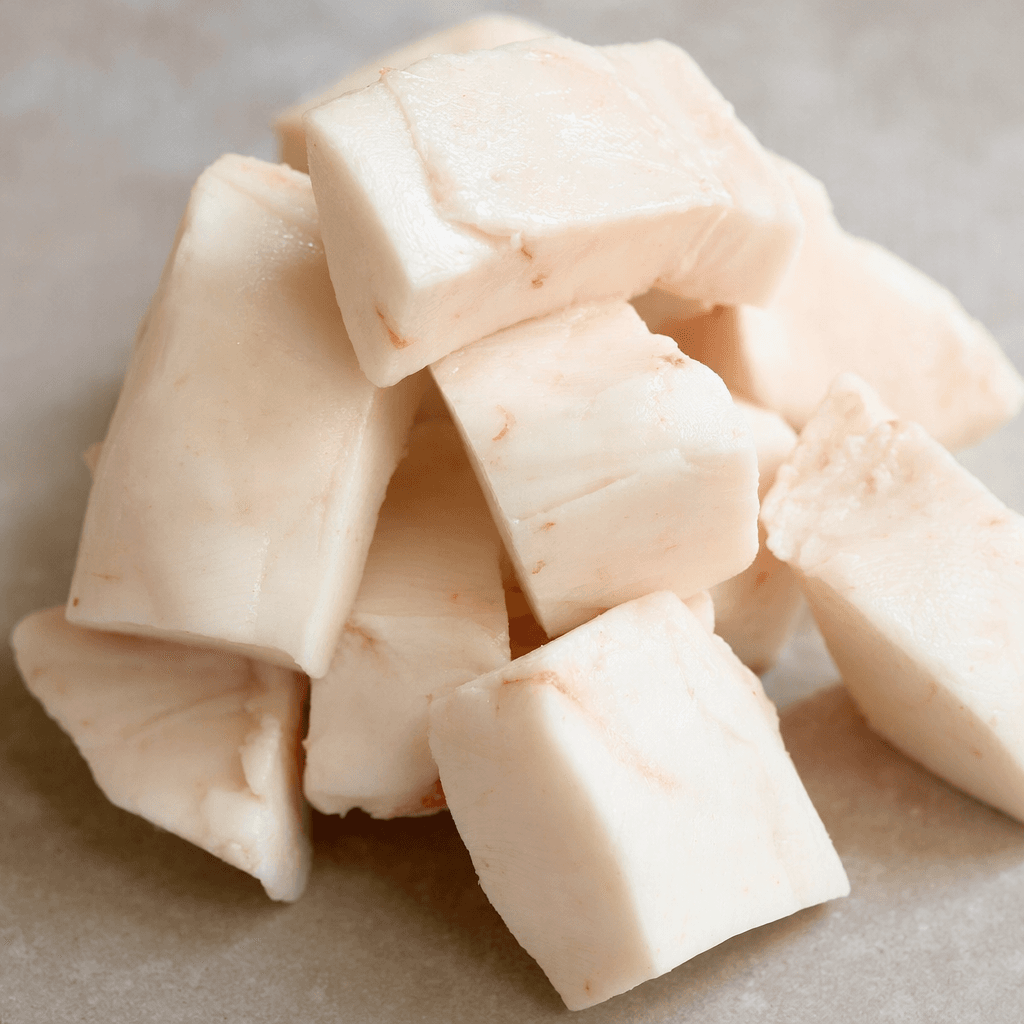
Animal fat Calories
Energy dense, high in saturated fat, contains vitamins A and D
In season: Winter
CALORIES
GI
POTASSIUM
FIBER
Quick answer
1 tablespoon (medium) of Animal fat (12 g) has 108 calories. That works out to 900 calories per 100 g. It contains 0 g of carbs, 0 g of protein, 12 g of fat and 0 g of fiber. Its 96 µg of Vitamin A covers 11% of the Daily Value. Its glycemic index is 0 (low), so it raises blood sugar slowly.
What is Animal fat?
Animal fat is the fat tissue from animals, used either in pieces or rendered into a cooking fat. Depending on its source, it may be called lard, tallow or poultry fat; the names and uses vary between cuisines. It has a rich mouthfeel and can lend savoury depth to roasting, frying, pastry and traditional dishes. In many households, a small amount is used to brown ingredients or enrich a stew, while some cooks choose it for its flavour in place of vegetable oil.
It is almost entirely fat and very energy-dense: 100 g provides 900 calories. Its flavour and firmness vary with the animal and preparation, so start with a little and adjust to the dish. Pair it with vegetables or grains, and keep portions modest if you want a lighter meal.
Animal fat Nutrition Facts
Selected: 100 g
900
KCAL / 100G
Carbs
0g
· 0% DV
Protein
0g
· 0% DV
Fat
100g
· 128% DV
Fiber
0g
· 0% DV
DV is the share of the daily value covered, on a 2,000 kcal reference diet.
Calories come from: Carbs 0% · Protein 0% · Fat 100%
Animal fat Vitamins & Minerals
Vitamins
Vitamin A
800µg · 89% DV
B12
0.5µg · 21% DV
Vitamin D
2µg · 10% DV
Vitamin E
1mg · 7% DV
Minerals
Selenium
1µg · 2% DV
Sodium
20mg · 1% DV
Phosphorus
5mg · 1% DV
Calcium
2mg · 0% DV
How Nutritious Is Animal fat?
Nutrient density
Low
How many vitamins, minerals and how much fiber this food carries per calorie. A high score means a lot of nutrition for few calories.
Satiety score
Low
An EatBetter score computed from fiber, protein and calorie density. A high score means staying full longer on the same calories.
Both scores are calculated per 100 g and do not change with the selected portion. The satiety score is EatBetter's own calculation, not a clinical measure.
Animal fat Glycemic Index
GLYCEMIC INDEX
GLYCEMIC LOAD
Accounts for portion size — a more realistic measure than GI alone.
How to Burn Off Animal fat
To burn the 900 calories in 100 g:
🚶
Walking (5 km/h)
🏃
Running (8 km/h)
🚴
Cycling
🏊
Swimming
Times are calculated with the MET equation for a 70 kg adult. Actual burn varies with your weight, age and pace.
Is Animal fat Processed?
NOVA 2
Minimally Processed
1. Unprocessed
2. Minimally Processed
3. Processed
4. Ultra-Processed
NOVA classifies foods into 4 groups by industrial processing. NOVA 1 (unprocessed) is the healthiest.
Does Animal fat Contain Allergens?
No known major allergens
Which Diets Is Animal fat Good For?
Vegan
— Not suitable
Vegetarian
— Not suitable
Gluten-Free
✓ Suitable
Dairy-Free
— Not suitable
Mediterranean
✓ Suitable
Paleo
✓ Suitable
Whole30
— Not suitable
DASH
— Not suitable
Keto
✓ Suitable
Low FODMAP
— Not suitable
Animal fat Fat Profile
SATURATED
45g
MONOUNSATURATED
40g
POLYUNSATURATED
10g
Omega 6:3 ratio 6.7:1
Above the ideal 4:1 (6.7:1).
Compare Animal fat
Foods Similar to Animal fat
Frequently Asked Questions About Animal fat
What is animal fat, and where does it come from?
Animal fat is fat tissue taken from animals such as cattle, sheep, or pigs. The raw fat may be cooked down and strained into a cooking fat; its flavor, firmness, and uses vary with the animal and the part of the body.
Is animal fat healthy?
Animal fat is energy-dense and often high in saturated fat, so using large amounts regularly may raise LDL cholesterol. Treat it as a cooking ingredient rather than a health food, and ask a clinician about suitable amounts if you have heart disease.
What is the difference between animal fat, tallow, and lard?
Animal fat is the broad category; tallow usually means rendered beef or mutton fat, while lard is rendered pork fat. They differ in flavor and texture, so a recipe calling for one may not taste the same with another.
How do you render animal fat at home?
To render animal fat, chop it into small pieces and heat it gently in a heavy pan until the fat melts. Strain out the browned solids and let the liquid fat cool; avoid high heat, which can scorch it and give it a bitter smell.
Can you cook with animal fat instead of butter or cooking oil?
Yes, animal fat can replace butter or cooking oil in many savory recipes, but the result may taste richer and more meaty. Choose a milder rendered fat for dishes where you do not want its flavor to dominate.
Can you fry food in animal fat?
Yes, rendered animal fat can be used for frying, but its smoke point depends on the animal and how thoroughly the fat was rendered. Keep the heat below the point where it smokes, since overheated fat develops an unpleasant flavor.
Does animal fat need to be refrigerated?
Rendered animal fat keeps best in a clean, airtight container away from heat and light; refrigeration helps slow rancidity, especially after opening. Follow safe handling practices for the particular fat, and discard it if it develops an off smell or visible mold.
Can you freeze animal fat?
Yes, animal fat freezes well. Divide it into portions in an airtight, freezer-safe container so you can thaw only what you need; repeated thawing and refreezing can affect quality and increase the chance of contamination.
Why does animal fat sometimes smell or taste gamey?
Animal fat can carry a strong flavor from the animal, its diet, or the cut it came from, and sheep fat is often especially distinctive. Rendering it gently and using it in robustly flavored dishes can make that flavor more suited to the recipe.
Can animal fat be reused after frying?
Yes, you can reuse animal fat if it has not smoked or burned and has no off odor. Strain out food particles after it cools, store it in a covered container, and discard it if it becomes dark, sticky, or rancid-smelling.
Have another question about Animal fat?
Ask the AI nutrition coach — calories, portions, alternatives and more, answered in seconds in the app.

Scan calories with your camera
Instant AI nutrition analysis

Nutrition data compiled from USDA FoodData Central and scientific sources.