

Ready & Packaged Foods
All →Vegetables & Legumes
All →Desserts & Confectionery
All →Meat & Protein
All →Grains & Bakery
All →Beverages
All →Milk & Dairy
All →

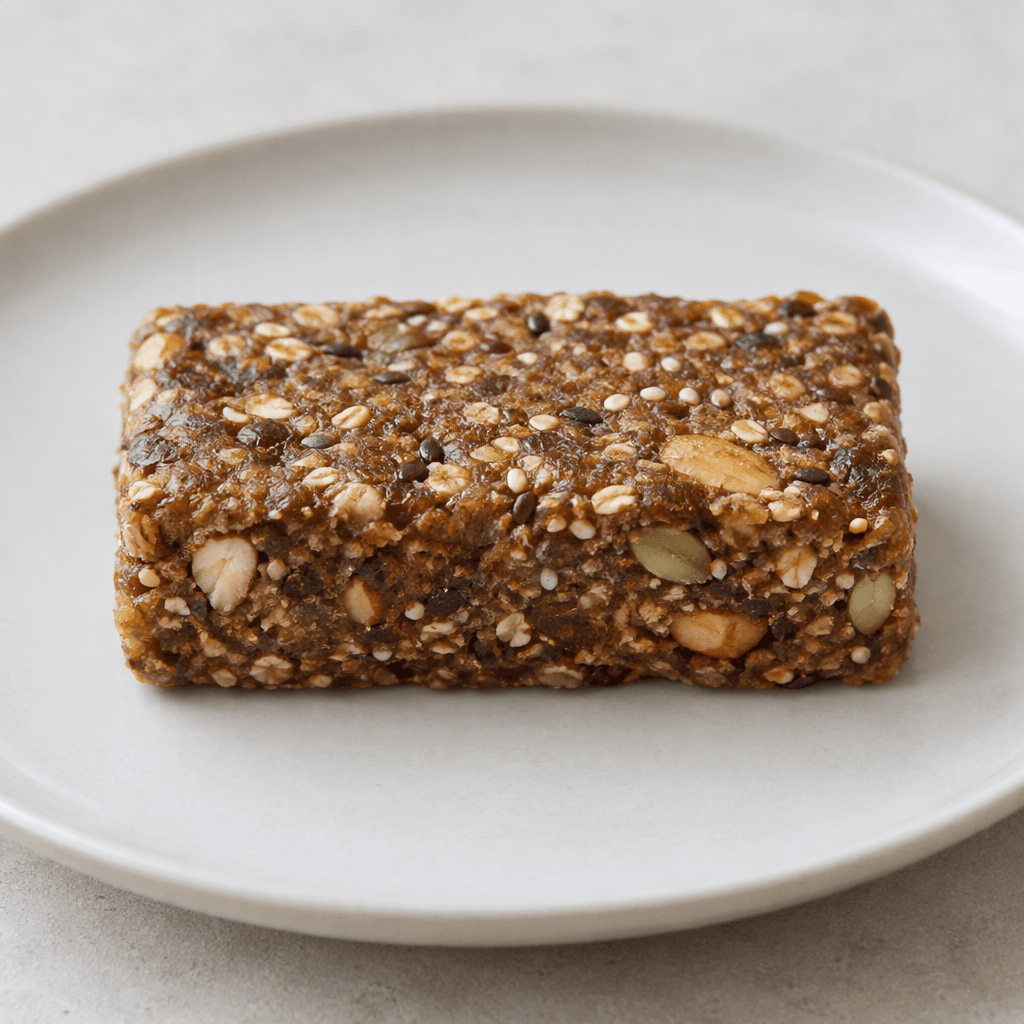
High-protein bar Calories
High protein, convenient snack, post-workout nutrition
CALORIES
GI
POTASSIUM
FIBER
Quick answer
1 piece (medium) of High-protein bar (60 g) has 222 calories. That works out to 370 calories per 100 g. It contains 21 g of carbs, 19.2 g of protein, 6 g of fat and 4.2 g of fiber. Its 0.4 µg of B12 covers 18% of the Daily Value. Its glycemic index is 45 (medium), so it raises blood sugar at a moderate pace.
What is High-protein bar?
A high-protein bar is a compact, ready-to-eat snack made with a concentrated protein ingredient, such as dairy or plant protein, often combined with grains, nuts or seeds. Recipes vary: some are chewy and sweet, while others are denser, with a more pronounced grain or nut texture.
It is commonly eaten between meals, carried for travel or kept on hand after a workout. For a more balanced snack, pair it with fresh fruit; if you prefer something less sweet, choose a plainer variety. Its defining nutritional feature is its protein content: it provides 32g per 100g, alongside carbohydrates and some fibre.
High-protein bar Nutrition Facts
Selected: 100 g
370
KCAL / 100G
Carbs
35g
· 13% DV
Protein
32g
· 64% DV
Fat
10g
· 13% DV
Fiber
7g
· 25% DV
DV is the share of the daily value covered, on a 2,000 kcal reference diet.
Calories come from: Carbs 39% · Protein 36% · Fat 25%
High-protein bar Vitamins & Minerals
Vitamins
B12
0.7µg · 29% DV
B2
0.35mg · 27% DV
B6
0.4mg · 24% DV
B1
0.25mg · 21% DV
Minerals
Phosphorus
210mg · 30% DV
Iron
3mg · 17% DV
Magnesium
65mg · 15% DV
Calcium
140mg · 14% DV
How Nutritious Is High-protein bar?
Nutrient density
Medium
How many vitamins, minerals and how much fiber this food carries per calorie. A high score means a lot of nutrition for few calories.
Satiety score
High
An EatBetter score computed from fiber, protein and calorie density. A high score means staying full longer on the same calories.
Both scores are calculated per 100 g and do not change with the selected portion. The satiety score is EatBetter's own calculation, not a clinical measure.
High-protein bar Glycemic Index
GLYCEMIC INDEX
GLYCEMIC LOAD
Accounts for portion size — a more realistic measure than GI alone.
How to Burn Off High-protein bar
To burn the 370 calories in 100 g:
🚶
Walking (5 km/h)
🏃
Running (8 km/h)
🚴
Cycling
🏊
Swimming
Times are calculated with the MET equation for a 70 kg adult. Actual burn varies with your weight, age and pace.
Is High-protein bar Processed?
NOVA 3
Processed
1. Unprocessed
2. Minimally Processed
3. Processed
4. Ultra-Processed
NOVA classifies foods into 4 groups by industrial processing. NOVA 1 (unprocessed) is the healthiest.
Does High-protein bar Contain Allergens?
Contains these allergens:
Which Diets Is High-protein bar Good For?
Vegan
— Not suitable
Vegetarian
✓ Suitable
Gluten-Free
— Not suitable
Dairy-Free
— Not suitable
Mediterranean
— Not suitable
Paleo
— Not suitable
Whole30
— Not suitable
DASH
— Not suitable
Keto
— Not suitable
Low FODMAP
— Not suitable
High-protein bar Fat Profile
SATURATED
3.2g
MONOUNSATURATED
3.7g
POLYUNSATURATED
2.5g
Omega 6:3 ratio 13.3:1
Above the ideal 4:1 (13.3:1).
Compare High-protein bar
Foods Similar to High-protein bar
Frequently Asked Questions About High-protein bar
Are high-protein bars good for you?
A high-protein bar can be a useful snack, but it is not automatically a healthy choice. Bars vary in their sweeteners, protein sources, and overall ingredients, so choose one that suits your needs and use it alongside a varied diet.
Can a high-protein bar replace a meal?
Usually, no. A high-protein bar is convenient but generally lacks the range of foods found in a balanced meal. It can bridge a gap when you cannot get a meal, but it is better not to rely on bars as regular meal replacements.
Should I eat a high-protein bar before or after a workout?
You can eat a high-protein bar either before or after exercise. After a workout it is a convenient protein-containing snack; before exercise, leave enough time for digestion if dense bars tend to feel heavy in your stomach.
Do high-protein bars help with weight loss?
A high-protein bar does not cause weight loss by itself, though it may make a planned snack more filling. Some bars are easy to eat in addition to meals, so use one to replace a snack rather than simply adding it to your usual intake.
What protein is used in high-protein bars?
High-protein bars may use whey, milk, soy, pea, or other protein ingredients, sometimes in combination. The source affects the bar’s taste and texture, so read the ingredient list if you prefer a particular protein or need to avoid one.
Can high-protein bars cause bloating or gas?
Yes, a high-protein bar can cause bloating or gas in some people. Certain bars contain added fiber, sugar alcohols, or protein sources that are harder for some people to tolerate; trying a different formulation may help identify the trigger.
How long do high-protein bars last after opening?
Eat an opened high-protein bar promptly, or wrap it tightly and keep it in a cool, dry place. Follow any storage instructions on the wrapper, and discard the bar if it becomes moldy, unusually damp, or develops an off smell.
Can I make high-protein bars at home?
Yes, you can make high-protein bars at home with ingredients such as oats, nut butter, seeds, and protein powder. Press the mixture into a lined pan and chill it; homemade bars may be softer and often need refrigeration.
Are high-protein bars good for a post-workout snack?
Yes, a high-protein bar is a convenient post-workout snack when a meal is not available soon. It contributes protein, but a bar alone may not provide everything you want after a demanding session, so pair it with fruit or another food if needed.
Can children eat high-protein bars?
Children can eat a high-protein bar occasionally if its ingredients are suitable for them, but most children do not need a specially protein-enriched snack. Offer ordinary foods such as yogurt, fruit, or a sandwich more often, and check age-related choking risks for younger children.
Have another question about High-protein bar?
Ask the AI nutrition coach — calories, portions, alternatives and more, answered in seconds in the app.

Scan calories with your camera
Instant AI nutrition analysis

Nutrition data compiled from USDA FoodData Central and scientific sources.