

Ready & Packaged Foods
All →Vegetables & Legumes
All →Desserts & Confectionery
All →Meat & Protein
All →Grains & Bakery
All →Beverages
All →Milk & Dairy
All →

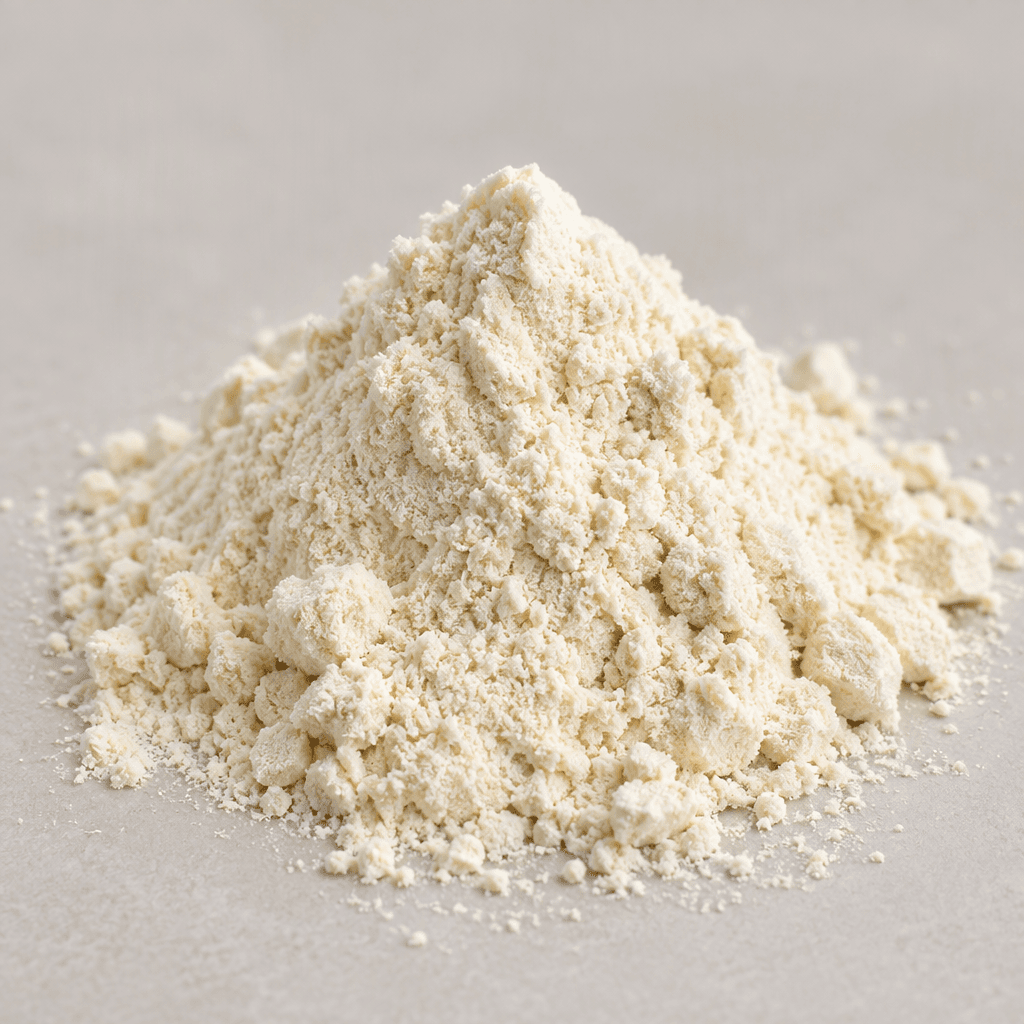
Weider Isolate Protein Powder Calories
High-protein whey isolate
CALORIES · 100 G
GI
POTASSIUM · 100 G
FIBER · 100 G
Quick answer
1 serving (medium) of Weider Isolate Protein Powder (30 g) has 111 calories. That works out to 371 calories per 100 g. It contains 1.7 g of carbs, 24.9 g of protein, 0.6 g of fat and 0 g of fiber. Its 144 mg of Calcium covers 14% of the Daily Value. Its glycemic index is 20 (low), so it raises blood sugar slowly.
Weider Isolate Protein Powder Nutrition Facts
Selected: 1 serving (medium) · 30 g
111
KCAL / 30G
Carbs
1.7g
· 1% DV
Protein
24.9g
· 50% DV
Fat
0.6g
· 1% DV
Fiber
0g
· 0% DV
DV is the share of the daily value covered, on a 2,000 kcal reference diet.
Calories come from: Carbs 6% · Protein 89% · Fat 5%
Weider Isolate Protein Powder nutrition facts table · 1 serving (medium) (30 g)
| Nutrient | Amount | % DV |
|---|---|---|
| Calories | 111 kcal | |
| Total fat | 0.6 g | 1% |
| Saturated fat | 0.36 g | 2% |
| Trans fat | 0.02 g | |
| Sodium | 66 mg | 3% |
| Total carbohydrate | 1.7 g | 1% |
| Fiber | 0 g | 0% |
| Protein | 24.9 g | 50% |
Calories: Calories measure energy. Average daily need is 2,000 kcal. Excess calories are stored as fat, too few cause weight loss.
Carbs: Your body's primary energy source. The brain runs exclusively on carbs. Daily need: 275g.
Protein: Essential for muscle repair and cell growth. Daily need: 50g. Keeps you full and boosts metabolism.
Fat: Needed for hormone production and vitamin absorption. Daily need: 78g. Limit saturated fats, choose unsaturated.
Fiber: Critical for digestive health and satiety. Daily need: 28g. Stabilizes blood sugar, lowers cholesterol.

Log this food in EatBetter
100,000+ people use it
- Get your daily calorie target
- Snap your meal, log it in seconds
- See every vitamin and mineral

📸 Scan the code to get the app free.

How Many Calories in 1 Serving of Weider Isolate Protein Powder?
| Serving | Amount | Calories |
|---|---|---|
| 1 serving (medium) | 30 g | 111 kcal |
| 1 teaspoon (small) | 5 g | 19 kcal |
| 1 tablespoon (medium) | 10 g | 37 kcal |
| 1 serving (small) | 25 g | 93 kcal |
| 1 slice (thick) | 30 g | 111 kcal |
| 1 serving (large) | 40 g | 148 kcal |
| 2 serving (double) | 60 g | 223 kcal |
| 100 g | 100 g | 371 kcal |
Calculated from 371 calories per 100 g.
Frequently Asked Questions About Weider Isolate Protein Powder
What is Weider Isolate Protein Powder used for?
Weider Isolate Protein Powder is a whey protein isolate supplement used to add protein to meals or snacks. It can be a convenient option after training, but it does not build muscle on its own; exercise and adequate overall nutrition matter too.
How do you mix Weider Isolate Protein Powder?
Mix Weider Isolate Protein Powder into a drink according to the serving and preparation directions on its package. Add the powder to the liquid and shake or stir until smooth, then drink it soon after mixing.
Should you mix Weider Isolate Protein Powder with water or milk?
You can mix Weider Isolate Protein Powder with either water or milk. Water gives a lighter drink, while milk makes it creamier and changes its overall nutrition. Choose whichever suits your taste and meal plan.
When should you take Weider Isolate Protein Powder—before or after a workout?
You can take Weider Isolate Protein Powder before or after a workout; there is no requirement to drink it within a narrow post-exercise window. Choose a time that helps you meet your protein needs and feels comfortable.
How many servings of Weider Isolate Protein Powder should you take per day?
There is no single daily serving count that suits everyone. A typical serving of Weider Isolate Protein Powder is about 30 g; consider how much protein you already get from food and follow the package directions.
Does Weider Isolate Protein Powder help build muscle?
Weider Isolate Protein Powder can help supply protein needed for muscle growth and repair, but the powder alone does not build muscle. Progressive resistance training, enough food, and consistent recovery are also important.
How is Weider Isolate Protein Powder different from whey concentrate?
Weider Isolate Protein Powder uses whey isolate, which is processed to separate more of the protein from other whey components. Whey concentrates often contain more lactose and fat, though the exact amounts vary between products.
Can you use Weider Isolate Protein Powder in baking?
Yes, Weider Isolate Protein Powder can be added to foods such as oatmeal, pancakes, or baked goods. Heating may change the texture, so mix it thoroughly with other ingredients and avoid replacing large amounts of flour without adjusting the recipe.
Can people with lactose intolerance use Weider Isolate Protein Powder?
Some people with lactose intolerance tolerate whey isolate better than whey concentrate, but Weider Isolate Protein Powder should not be assumed to be lactose-free. Tolerance varies; consult a healthcare professional if you have symptoms or need individualized advice.
How should you store Weider Isolate Protein Powder after opening?
Keep Weider Isolate Protein Powder tightly sealed in a cool, dry place, away from moisture and direct sunlight. Use a dry scoop and follow the package’s use-by date; discard it if its smell or appearance changes.
Weider Isolate Protein Powder Vitamins & Minerals
Vitamins
B2
0.12mg · 9% DV
B12
0.15µg · 6% DV
Biotin
0.6µg · 2% DV
B5
0.09mg · 2% DV
Minerals
Calcium
144mg · 14% DV
Phosphorus
90mg · 13% DV
Selenium
5.4µg · 10% DV
Magnesium
24mg · 6% DV
Potassium ⭐
129mg · 4% DV
Sodium
66mg · 3% DV
Weider Isolate Protein Powder Glycemic Index
GLYCEMIC INDEX
GLYCEMIC LOAD
Accounts for portion size — a more realistic measure than GI alone.
How to Burn Off Weider Isolate Protein Powder
To burn the 111 calories in 1 serving (medium) (30 g):
🚶
Walking (5 km/h)
🏃
Running (8 km/h)
🚴
Cycling
🏊
Swimming
Times are calculated with the MET equation for a 70 kg adult. Actual burn varies with your weight, age and pace.
What is Weider Isolate Protein Powder?
Weider Isolate Protein Powder is a powdered supplement made from whey protein isolated from milk. It is mixed into a drink or stirred into food, rather than eaten on its own as a meal. Its flavour depends on the variety, and it generally mixes into a light, smooth shake when shaken or blended well.
It is commonly used in shakes, smoothies, or stirred into breakfast oats and yoghurt, including after exercise or as a convenient snack. It is high in protein: each 100 g provides 83 g. Mix it with water for a lighter drink, or use milk, fruit, or yoghurt for a more filling option.
How Nutritious Is Weider Isolate Protein Powder?
Nutrient density
Medium
How many vitamins, minerals and how much fiber this food carries per calorie. A high score means a lot of nutrition for few calories.
Satiety score
Low
An EatBetter score computed from fiber, protein and calorie density. A high score means staying full longer on the same calories.
Both scores are calculated per 100 g and do not change with the selected portion. The satiety score is EatBetter's own calculation, not a clinical measure.
Is Weider Isolate Protein Powder Processed?
NOVA 3
Processed
1. Unprocessed
2. Minimally Processed
3. Processed
4. Ultra-Processed
NOVA classifies foods into 4 groups by industrial processing. NOVA 1 (unprocessed) is the healthiest.
Does Weider Isolate Protein Powder Contain Allergens?
Contains these allergens:
Which Diets Is Weider Isolate Protein Powder Good For?
Vegan
— Not suitable
Vegetarian
✓ Suitable
Gluten-Free
✓ Suitable
Dairy-Free
— Not suitable
Mediterranean
— Not suitable
Paleo
— Not suitable
Whole30
— Not suitable
DASH
— Not suitable
Keto
— Not suitable
Low FODMAP
— Not suitable
Weider Isolate Protein Powder Fat Profile
SATURATED
0.36g
MONOUNSATURATED
0.14g
POLYUNSATURATED
0.04g
Omega 6:3 ratio 2:1
Below the ideal 4:1 — a good omega balance.
Compare Weider Isolate Protein Powder
Foods Similar to Weider Isolate Protein Powder
Have another question about Weider Isolate Protein Powder?
Ask the AI nutrition coach — calories, portions, alternatives and more, answered in seconds in the app.

Scan calories with your camera
Instant AI nutrition analysis

Nutrition data compiled from USDA FoodData Central and scientific sources.