

Ready & Packaged Foods
All →Vegetables & Legumes
All →Desserts & Confectionery
All →Meat & Protein
All →Grains & Bakery
All →Beverages
All →Milk & Dairy
All →

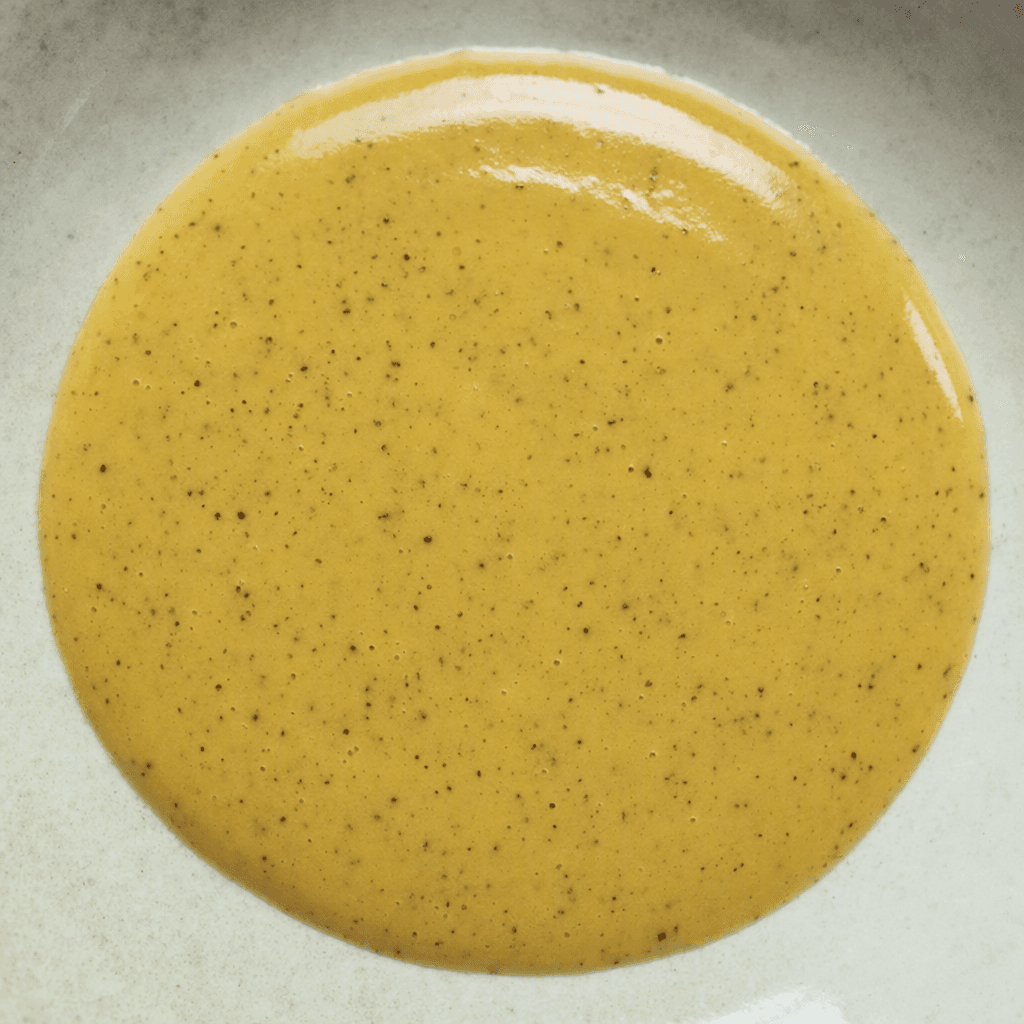
Butter Pepper Sauce Calories
Rich, aromatic sauce made with butter and pepper
CALORIES
GI
POTASSIUM
FIBER
Quick answer
1 tablespoon (medium) of Butter Pepper Sauce (15 g) has 81 calories. That works out to 540 calories per 100 g. It contains 0.2 g of carbs, 0.1 g of protein, 8.9 g of fat and 0 g of fiber. Its 97.5 µg of Vitamin A covers 11% of the Daily Value. Its glycemic index is 0 (low), so it raises blood sugar slowly.
What is Butter Pepper Sauce?
Butter pepper sauce is a glossy, rich sauce made by melting butter and seasoning it with pepper, usually black pepper. Recipes vary: some keep it simple, while others add herbs or a little stock. It is a flexible preparation rather than one dish tied to a single place.
Serve it warm over steak, chicken, vegetables or pasta; a small spoonful can also bring extra savouriness to eggs or potatoes. Its nutritional character is mostly fat—about 59.5 g per 100 g—so it is best used as a flavourful finishing sauce rather than a generous pour. For a lighter meal, use just a little and pair it with vegetables.
Butter Pepper Sauce Nutrition Facts
Selected: 100 g
540
KCAL / 100G
Carbs
1.2g
· 0% DV
Protein
0.5g
· 1% DV
Fat
59.5g
· 76% DV
Fiber
0.2g
· 1% DV
DV is the share of the daily value covered, on a 2,000 kcal reference diet.
Calories come from: Carbs 1% · Protein 0% · Fat 99%
Butter Pepper Sauce Vitamins & Minerals
Vitamins
Vitamin A
650µg · 72% DV
Vitamin E
2.1mg · 14% DV
B12
0.17µg · 7% DV
Vitamin D
1.2µg · 6% DV
Minerals
Sodium
390mg · 17% DV
Iodine
10µg · 7% DV
Calcium
18mg · 2% DV
Selenium
1.2µg · 2% DV
How Nutritious Is Butter Pepper Sauce?
Nutrient density
Low
How many vitamins, minerals and how much fiber this food carries per calorie. A high score means a lot of nutrition for few calories.
Satiety score
Low
An EatBetter score computed from fiber, protein and calorie density. A high score means staying full longer on the same calories.
Both scores are calculated per 100 g and do not change with the selected portion. The satiety score is EatBetter's own calculation, not a clinical measure.
Butter Pepper Sauce Glycemic Index
GLYCEMIC INDEX
GLYCEMIC LOAD
Accounts for portion size — a more realistic measure than GI alone.
How to Burn Off Butter Pepper Sauce
To burn the 540 calories in 100 g:
🚶
Walking (5 km/h)
🏃
Running (8 km/h)
🚴
Cycling
🏊
Swimming
Times are calculated with the MET equation for a 70 kg adult. Actual burn varies with your weight, age and pace.
Is Butter Pepper Sauce Processed?
NOVA 2
Minimally Processed
1. Unprocessed
2. Minimally Processed
3. Processed
4. Ultra-Processed
NOVA classifies foods into 4 groups by industrial processing. NOVA 1 (unprocessed) is the healthiest.
Does Butter Pepper Sauce Contain Allergens?
Contains these allergens:
Which Diets Is Butter Pepper Sauce Good For?
Vegan
— Not suitable
Vegetarian
— Not suitable
Gluten-Free
✓ Suitable
Dairy-Free
— Not suitable
Mediterranean
✓ Suitable
Paleo
✓ Suitable
Whole30
— Not suitable
DASH
— Not suitable
Keto
✓ Suitable
Low FODMAP
— Not suitable
Butter Pepper Sauce Fat Profile
SATURATED
37.5g
MONOUNSATURATED
18.5g
POLYUNSATURATED
2g
Omega 6:3 ratio 7.5:1
Above the ideal 4:1 (7.5:1).
Compare Butter Pepper Sauce
Foods Similar to Butter Pepper Sauce
Frequently Asked Questions About Butter Pepper Sauce
How do you make Butter Pepper Sauce?
Butter Pepper Sauce is made by gently melting butter and seasoning it with freshly ground black pepper. Keep the heat low so the butter does not brown; add garlic or a splash of lemon juice if you want extra flavor.
What dishes go well with Butter Pepper Sauce?
Butter Pepper Sauce pairs especially well with grilled steak, chicken, mushrooms, and roasted vegetables. Spoon it over the food just before serving, or serve it on the side so diners can control how much they use.
Is Butter Pepper Sauce the same as peppercorn sauce?
No, Butter Pepper Sauce is typically a simple butter-and-pepper condiment. Peppercorn sauce is usually cooked with whole peppercorns and often includes cream, stock, or brandy, giving it a thicker texture and a different flavor.
Can you use Butter Pepper Sauce on pasta?
Yes, Butter Pepper Sauce works well with plain pasta. Toss it with a little starchy pasta water so it coats the noodles more evenly; grated cheese or chopped herbs can add extra flavor.
Why does Butter Pepper Sauce separate?
Butter Pepper Sauce can separate if it gets too hot or is heated too quickly. Warm it gently while stirring to bring it together; if needed, whisk in a small splash of warm water until the sauce looks smooth again.
Can Butter Pepper Sauce be made ahead of time?
Yes, you can make Butter Pepper Sauce ahead, although freshly ground pepper has a brighter aroma when added just before serving. Refrigerate the prepared sauce in a covered container and reheat it gently when needed.
How should you store Butter Pepper Sauce?
Store Butter Pepper Sauce in a covered container in the refrigerator once it has cooled. Use a clean utensil when serving, and discard it if its smell or appearance changes; avoid leaving it out for an extended time.
Can Butter Pepper Sauce be reheated?
Yes, reheat Butter Pepper Sauce slowly over low heat, stirring as it warms. Avoid boiling it, which can make the butter separate. A small splash of warm water can loosen the sauce if it thickens.
Can you make Butter Pepper Sauce without dairy butter?
Yes, a plant-based butter alternative can replace dairy butter in Butter Pepper Sauce. Choose one that melts smoothly and taste the sauce as you season it, since plant-based alternatives can differ in saltiness and flavor.
How can you make Butter Pepper Sauce less rich?
Add a little lemon juice or warm stock to make Butter Pepper Sauce taste less rich. The acidity or savory liquid balances the buttery flavor; add it gradually and stir until the sauce reaches the taste and consistency you want.
Have another question about Butter Pepper Sauce?
Ask the AI nutrition coach — calories, portions, alternatives and more, answered in seconds in the app.

Scan calories with your camera
Instant AI nutrition analysis

Nutrition data compiled from USDA FoodData Central and scientific sources.