

Ready & Packaged Foods
All →Vegetables & Legumes
All →Desserts & Confectionery
All →Meat & Protein
All →Grains & Bakery
All →Beverages
All →Milk & Dairy
All →

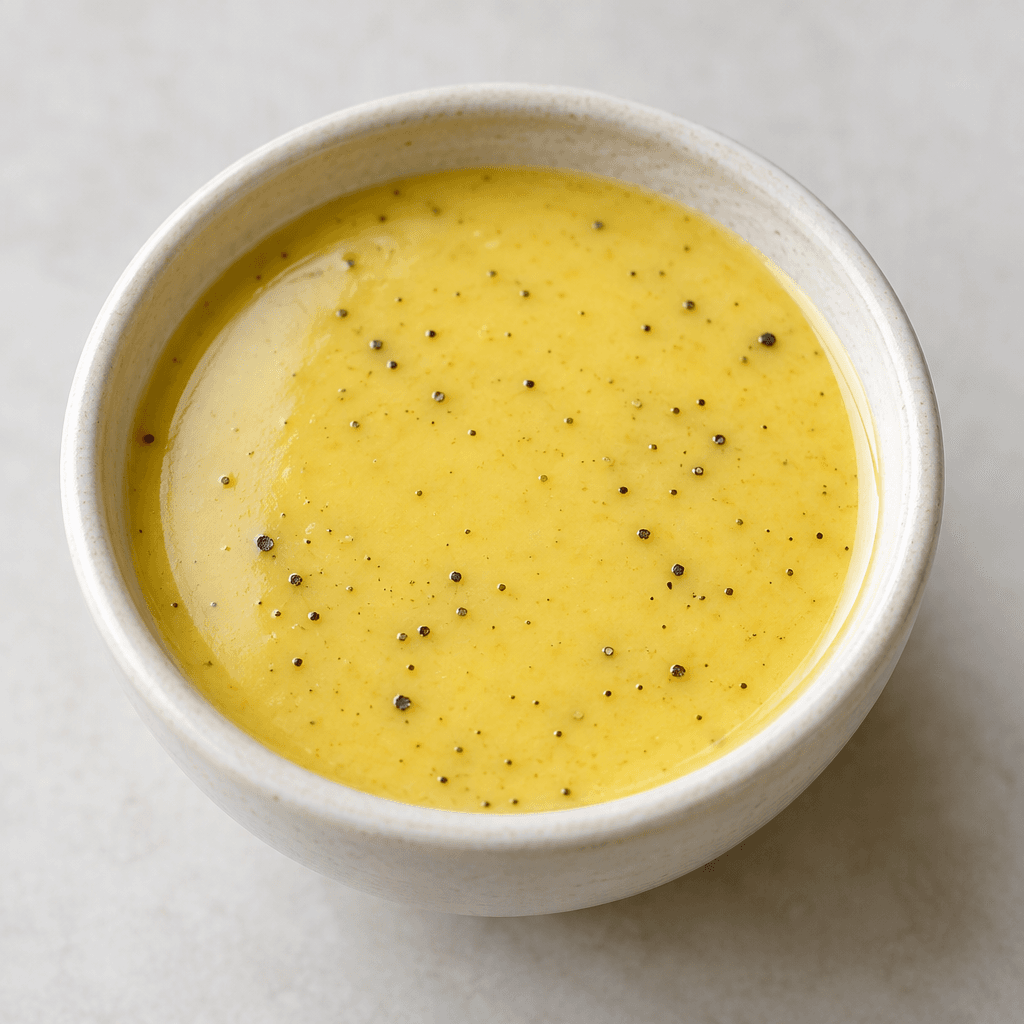
Butter Pepper Sauce Calories
Rich sauce made with butter and black pepper
In season: Spring · Summer · Autumn · Winter
CALORIES
GI
POTASSIUM
FIBER
Quick answer
2 tablespoon (medium) of Butter Pepper Sauce (30 g) has 123 calories. That works out to 410 calories per 100 g. It contains 0.7 g of carbs, 0.2 g of protein, 13.5 g of fat and 0.1 g of fiber. Its 195 µg of Vitamin A covers 22% of the Daily Value. Its glycemic index is 0 (low), so it raises blood sugar slowly.
What is Butter Pepper Sauce?
Butter Pepper Sauce is a smooth, pourable sauce made by seasoning melted butter with black pepper. It is a simple butter-based table sauce rather than a dish tied to one specific region. The pepper’s warmth cuts through the butter’s rich, mellow taste, and the sauce thickens as it cools.
Across English-speaking kitchens, it is commonly spooned over steak or other grilled meats, and it also works with chicken, roasted vegetables or potatoes. Its character is mostly fat, with very little carbohydrate, so a small serving brings plenty of richness. Serve it warm and use a light drizzle if you want the peppery flavour without making the whole plate feel heavy.
Butter Pepper Sauce Nutrition Facts
Selected: 100 g
410
KCAL / 100G
Carbs
2.2g
· 1% DV
Protein
0.6g
· 1% DV
Fat
45g
· 58% DV
Fiber
0.3g
· 1% DV
DV is the share of the daily value covered, on a 2,000 kcal reference diet.
Calories come from: Carbs 2% · Protein 1% · Fat 97%
Butter Pepper Sauce Vitamins & Minerals
Vitamins
Vitamin A
650µg · 72% DV
Vitamin E
2.2mg · 15% DV
Vitamin K
7µg · 6% DV
B5
0.25mg · 5% DV
Minerals
Sodium
320mg · 14% DV
Phosphorus
18mg · 3% DV
Calcium
24mg · 2% DV
Selenium
1.2µg · 2% DV
How Nutritious Is Butter Pepper Sauce?
Nutrient density
Low
How many vitamins, minerals and how much fiber this food carries per calorie. A high score means a lot of nutrition for few calories.
Satiety score
Low
An EatBetter score computed from fiber, protein and calorie density. A high score means staying full longer on the same calories.
Both scores are calculated per 100 g and do not change with the selected portion. The satiety score is EatBetter's own calculation, not a clinical measure.
Butter Pepper Sauce Glycemic Index
GLYCEMIC INDEX
GLYCEMIC LOAD
Accounts for portion size — a more realistic measure than GI alone.
How to Burn Off Butter Pepper Sauce
To burn the 410 calories in 100 g:
🚶
Walking (5 km/h)
🏃
Running (8 km/h)
🚴
Cycling
🏊
Swimming
Times are calculated with the MET equation for a 70 kg adult. Actual burn varies with your weight, age and pace.
Is Butter Pepper Sauce Processed?
NOVA 3
Processed
1. Unprocessed
2. Minimally Processed
3. Processed
4. Ultra-Processed
NOVA classifies foods into 4 groups by industrial processing. NOVA 1 (unprocessed) is the healthiest.
Does Butter Pepper Sauce Contain Allergens?
Contains these allergens:
Which Diets Is Butter Pepper Sauce Good For?
Vegan
— Not suitable
Vegetarian
✓ Suitable
Gluten-Free
— Not suitable
Dairy-Free
— Not suitable
Mediterranean
✓ Suitable
Paleo
✓ Suitable
Whole30
— Not suitable
DASH
— Not suitable
Keto
✓ Suitable
Low FODMAP
— Not suitable
Butter Pepper Sauce Fat Profile
SATURATED
28.5g
MONOUNSATURATED
11.5g
POLYUNSATURATED
2.2g
Omega 6:3 ratio 2.1:1
Below the ideal 4:1 — a good omega balance.
Compare Butter Pepper Sauce
Foods Similar to Butter Pepper Sauce
Frequently Asked Questions About Butter Pepper Sauce
What is butter pepper sauce made of?
Butter pepper sauce is a savory sauce built around butter and black pepper. Some versions also use cream or stock, so its texture can range from a glossy, pourable coating to a thicker sauce.
Is butter pepper sauce the same as peppercorn sauce?
No. Butter pepper sauce highlights butter and pepper, while peppercorn sauce commonly includes cream or stock and whole or crushed peppercorns. Recipes vary, but peppercorn sauce is usually richer and more substantial.
What kind of pepper works best in butter pepper sauce?
Freshly cracked black pepper is the classic choice for butter pepper sauce because it gives the sauce a fragrant, noticeable bite. Use finely ground pepper for a smoother texture, or reduce the amount for a gentler flavor.
Why does butter pepper sauce separate?
Butter pepper sauce can separate if it gets too hot or if liquid is added too quickly. Take it off the heat and whisk in a little warm water; avoid bringing it back to a hard boil, which can worsen the separation.
Can you make butter pepper sauce ahead of time?
Yes, you can make butter pepper sauce ahead and refrigerate it in a covered container. It may firm up as it chills, so warm it gently while whisking before serving, rather than heating it rapidly.
How do you reheat butter pepper sauce without splitting it?
Reheat butter pepper sauce over low heat, stirring or whisking constantly. If it looks too thick, add a small splash of warm water or stock. Avoid the microwave on high, which can heat the butter unevenly.
Is butter pepper sauce only for steak?
No. Butter pepper sauce is often served with steak, but it also works with roast chicken, potatoes, and simply cooked vegetables. Its rich, peppery flavor pairs best with dishes that are not already heavily sauced.
Can you put butter pepper sauce on pasta?
Yes, butter pepper sauce can coat pasta. Toss it with hot, cooked pasta and loosen it with a little pasta water if needed; add the liquid gradually so the sauce stays glossy instead of becoming watery.
Can butter pepper sauce be frozen?
Butter pepper sauce can be frozen, but its texture may separate when thawed because it is butter-based. Thaw it in the refrigerator, then warm it slowly while whisking; a little warm water can help bring it together.
Is butter pepper sauce healthy to eat often?
Butter pepper sauce is rich, so using a large amount frequently can add substantial fat to meals. A small spoonful can bring plenty of flavor; pair it with lean protein or vegetables rather than pouring it on generously.
Have another question about Butter Pepper Sauce?
Ask the AI nutrition coach — calories, portions, alternatives and more, answered in seconds in the app.

Scan calories with your camera
Instant AI nutrition analysis

Nutrition data compiled from USDA FoodData Central and scientific sources.