

Ready & Packaged Foods
All →Vegetables & Legumes
All →Desserts & Confectionery
All →Meat & Protein
All →Grains & Bakery
All →Beverages
All →Milk & Dairy
All →

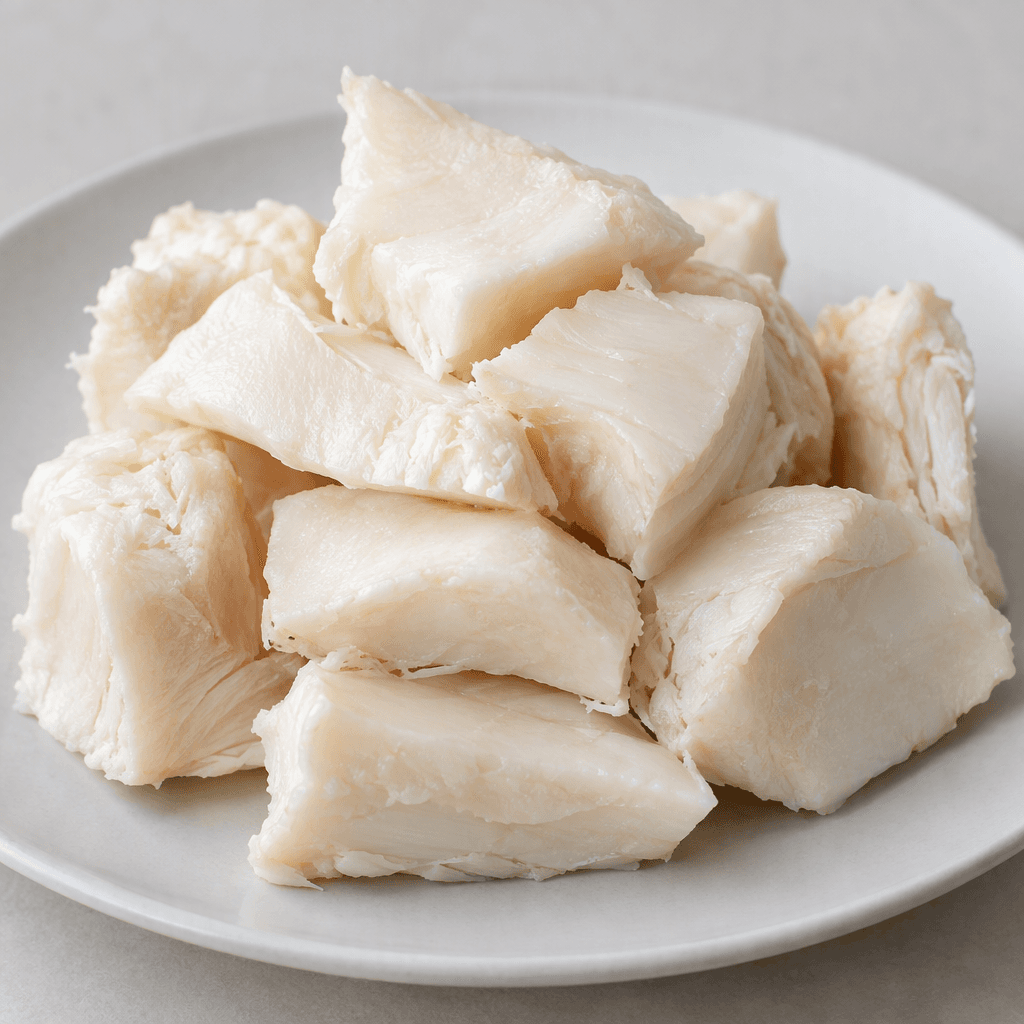
Tail Fat Calories
Sheep tail fat, used in traditional dishes, high in energy and fat.
In season: Spring · Summer · Autumn · Winter
CALORIES
GI
POTASSIUM
FIBER
Quick answer
1 piece (medium) of Tail Fat (30 g) has 270 calories. That works out to 900 calories per 100 g. It contains 0 g of carbs, 0.1 g of protein, 29.9 g of fat and 0 g of fiber. Its glycemic index is 0 (low), so it raises blood sugar slowly.
What is Tail Fat?
Tail Fat is the firm fat stored around the tail of sheep, traditionally used in Turkish and other regional cuisines. It is cut into pieces or rendered, then added to dishes to bring richness and a distinctive savoury aroma. In some cooking, it is also threaded or mixed with lean meat to keep it moist over heat.
Its flavour becomes pronounced as it melts, so it is usually used sparingly in kebabs, roasts and slow-cooked dishes rather than served on its own. It is almost entirely fat and provides very little protein or carbohydrate, making even a small amount add substantial richness. If you are unfamiliar with its flavour, start with a little alongside lean meat or vegetables; fresh herbs and a sharp salad balance its heaviness.
Tail Fat Nutrition Facts
Selected: 100 g
900
KCAL / 100G
Carbs
0g
· 0% DV
Protein
0.2g
· 0% DV
Fat
99.8g
· 128% DV
Fiber
0g
· 0% DV
DV is the share of the daily value covered, on a 2,000 kcal reference diet.
Calories come from: Carbs 0% · Protein 0% · Fat 100%
Tail Fat Vitamins & Minerals
Vitamins
Vitamin E
1.5mg · 10% DV
B12
0.2µg · 8% DV
Vitamin D
0.5µg · 3% DV
B1
0.01mg · 1% DV
Minerals
Selenium
0.5µg · 1% DV
Phosphorus
5mg · 1% DV
Calcium
2mg · 0% DV
Iron
0mg · 0% DV
How Nutritious Is Tail Fat?
Nutrient density
Low
How many vitamins, minerals and how much fiber this food carries per calorie. A high score means a lot of nutrition for few calories.
Satiety score
Low
An EatBetter score computed from fiber, protein and calorie density. A high score means staying full longer on the same calories.
Both scores are calculated per 100 g and do not change with the selected portion. The satiety score is EatBetter's own calculation, not a clinical measure.
Tail Fat Glycemic Index
GLYCEMIC INDEX
GLYCEMIC LOAD
Accounts for portion size — a more realistic measure than GI alone.
How to Burn Off Tail Fat
To burn the 900 calories in 100 g:
🚶
Walking (5 km/h)
🏃
Running (8 km/h)
🚴
Cycling
🏊
Swimming
Times are calculated with the MET equation for a 70 kg adult. Actual burn varies with your weight, age and pace.
Is Tail Fat Processed?
NOVA 2
Minimally Processed
1. Unprocessed
2. Minimally Processed
3. Processed
4. Ultra-Processed
NOVA classifies foods into 4 groups by industrial processing. NOVA 1 (unprocessed) is the healthiest.
Does Tail Fat Contain Allergens?
No known major allergens
Which Diets Is Tail Fat Good For?
Vegan
— Not suitable
Vegetarian
— Not suitable
Gluten-Free
✓ Suitable
Dairy-Free
— Not suitable
Mediterranean
✓ Suitable
Paleo
✓ Suitable
Whole30
— Not suitable
DASH
— Not suitable
Keto
✓ Suitable
Low FODMAP
— Not suitable
Tail Fat Fat Profile
SATURATED
45g
MONOUNSATURATED
45g
POLYUNSATURATED
5g
Omega 6:3 ratio 5:1
Above the ideal 4:1 (5:1).
Compare Tail Fat
Foods Similar to Tail Fat
Frequently Asked Questions About Tail Fat
What is tail fat, and where does it come from?
Tail fat is the fatty tissue around the tail of fat-tailed sheep, used as a cooking fat in several cuisines. It is often cut into pieces and added to meat dishes, where it renders as it cooks.
How is tail fat used in cooking?
Tail fat is commonly added to kebabs, minced-meat dishes, stews, and rice dishes for richness and a distinct savory flavor. Use it sparingly: a little can flavor a dish, while too much can make it greasy.
How do you render tail fat?
Render tail fat by cutting it into small pieces and heating it slowly over low heat. Stir occasionally until the solid pieces release their fat, then strain the liquid into a clean, heat-safe container.
Can you use tail fat in kebabs?
Yes, tail fat is used in some kebabs to add moisture and flavor. Mix finely chopped pieces into the minced meat or thread pieces between meat chunks; cook thoroughly and avoid adding so much that the kebab becomes greasy.
Is tail fat healthy to eat?
Tail fat is a very concentrated source of dietary fat, so it is best used in small amounts. Eating it frequently or in large portions can raise your saturated-fat intake.
Does tail fat raise cholesterol?
It can: tail fat contains saturated fat, and diets high in saturated fat can raise LDL cholesterol. If you have high cholesterol or take cholesterol-lowering medication, ask your clinician or dietitian how it fits your diet.
How should you store tail fat?
Keep fresh tail fat covered in the refrigerator and separate from ready-to-eat foods. Discard it if it develops an unpleasant smell, a sticky surface, or an unusual color.
Can you freeze tail fat?
Yes, tail fat freezes well. Divide it into recipe-sized portions, seal them in an airtight freezer bag or container, and thaw only the amount you plan to use.
What can you substitute for tail fat?
Rendered lamb fat is the closest substitute for tail fat because it gives dishes a similar richness and flavor. Regular lamb fat or another cooking fat can work, but the taste and texture will differ.
Can you eat tail fat raw?
Tail fat is generally used cooked, not eaten raw. Render or cook it thoroughly as part of a dish, and keep it separate from ready-to-eat foods while preparing it.
Have another question about Tail Fat?
Ask the AI nutrition coach — calories, portions, alternatives and more, answered in seconds in the app.

Scan calories with your camera
Instant AI nutrition analysis

Nutrition data compiled from USDA FoodData Central and scientific sources.