

Ready & Packaged Foods
All →Vegetables & Legumes
All →Desserts & Confectionery
All →Meat & Protein
All →Grains & Bakery
All →Beverages
All →Milk & Dairy
All →

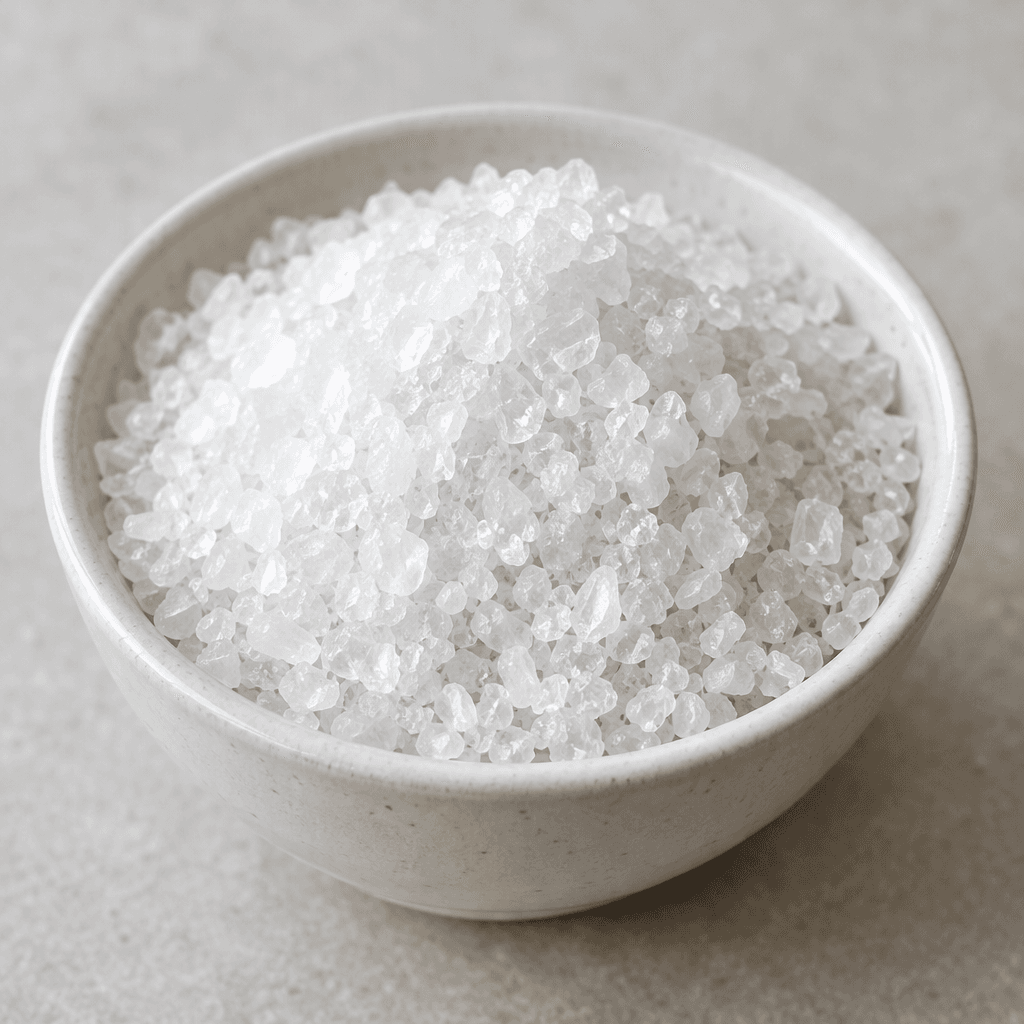
Sugar Calories
Quick energy source, pure carbohydrate
In season: Spring · Summer · Autumn · Winter
CALORIES
GI
POTASSIUM
FIBER
Quick answer
1 tablespoon (medium) of Sugar (12 g) has 46 calories. That works out to 387 calories per 100 g. It contains 12 g of carbs, 0 g of protein, 0 g of fat and 0 g of fiber. Its glycemic index is 65 (high), so it raises blood sugar quickly.
What is Sugar?
Sugar is the familiar crystalline sweetener made mainly from sugar beet or sugar cane. Granulated sugar dissolves readily in drinks and is used in baking, preserves, sauces and desserts around the world. In many households it is kept on hand for tea or coffee as well as for everyday cooking.
Its clean sweetness and quick-dissolving texture make it easy to use at the table or measured into a recipe. Sugar is almost entirely carbohydrate, with 99.8 grams per 100 grams, and contributes little else nutritionally. A medium tablespoon is about 12 grams, so measuring it can help you keep the sweetness in drinks and baking to your taste; fruit, spices or citrus can add flavour without relying on as much sugar.
Sugar Nutrition Facts
Selected: 100 g
387
KCAL / 100G
Carbs
99.8g
· 36% DV
Protein
0g
· 0% DV
Fat
0g
· 0% DV
Fiber
0g
· 0% DV
DV is the share of the daily value covered, on a 2,000 kcal reference diet.
Calories come from: Carbs 100% · Protein 0% · Fat 0%
Sugar Vitamins & Minerals
Vitamins
Vitamin A
0µg · 0% DV
B1
0mg · 0% DV
B2
0mg · 0% DV
B3
0mg · 0% DV
Minerals
Calcium
1mg · 0% DV
Iron
0mg · 0% DV
Magnesium
0mg · 0% DV
Zinc
0mg · 0% DV
How Nutritious Is Sugar?
Nutrient density
Low
How many vitamins, minerals and how much fiber this food carries per calorie. A high score means a lot of nutrition for few calories.
Satiety score
Low
An EatBetter score computed from fiber, protein and calorie density. A high score means staying full longer on the same calories.
Both scores are calculated per 100 g and do not change with the selected portion. The satiety score is EatBetter's own calculation, not a clinical measure.
Sugar Glycemic Index
GLYCEMIC INDEX
GLYCEMIC LOAD
Accounts for portion size — a more realistic measure than GI alone.
How to Burn Off Sugar
To burn the 387 calories in 100 g:
🚶
Walking (5 km/h)
🏃
Running (8 km/h)
🚴
Cycling
🏊
Swimming
Times are calculated with the MET equation for a 70 kg adult. Actual burn varies with your weight, age and pace.
Is Sugar Processed?
NOVA 3
Processed
1. Unprocessed
2. Minimally Processed
3. Processed
4. Ultra-Processed
NOVA classifies foods into 4 groups by industrial processing. NOVA 1 (unprocessed) is the healthiest.
Does Sugar Contain Allergens?
No known major allergens
Which Diets Is Sugar Good For?
Vegan
✓ Suitable
Vegetarian
✓ Suitable
Gluten-Free
✓ Suitable
Dairy-Free
— Not suitable
Mediterranean
✓ Suitable
Paleo
✓ Suitable
Whole30
— Not suitable
DASH
— Not suitable
Keto
— Not suitable
Low FODMAP
— Not suitable
Sugar Fat Profile
SATURATED
0g
MONOUNSATURATED
0g
POLYUNSATURATED
0g
Compare Sugar
Foods Similar to Sugar
Frequently Asked Questions About Sugar
What is sugar made from?
Most table sugar is made from sugar cane or sugar beets. The plants are crushed to extract their juice, which is purified and concentrated; sugar crystals are then separated and dried.
Is sugar bad for you?
Eating a lot of sugar regularly can be harmful, particularly when it comes from sweet drinks and foods that offer little nourishment. It can make it easier to take in excess energy and increases the risk of tooth decay.
Does sugar cause diabetes?
Sugar does not directly cause diabetes. However, frequent intake of sugary foods and drinks can contribute to excess energy intake and weight gain, which raise the risk of type 2 diabetes; sugar does not cause type 1 diabetes.
Does sugar make you gain weight?
It can contribute to weight gain when it adds more energy to your diet than your body uses. Sugary drinks and desserts may be less filling than many other foods, making it easier to consume more overall.
Is sugar addictive?
Sugar is not considered an addictive drug in the clinical sense. Sweet foods can still be highly appealing, and habits or cravings may make them difficult to cut back on, especially when they are eaten often.
Is brown sugar healthier than white sugar?
No, brown sugar is not meaningfully healthier than white sugar. It gets its color and moist texture from molasses, but both are mainly sucrose and have broadly similar effects when eaten.
Does sugar ever go bad?
Dry sugar can remain usable for a very long time because it does not readily support microbial growth. Moisture can make it hard or lumpy, while contamination, pests, or an unusual smell are reasons to discard it.
How should sugar be stored?
Store sugar in a tightly sealed container in a cool, dry place. Keeping moisture out prevents clumping, and a closed container helps stop sugar from absorbing odors or attracting pests.
Why does sugar clump?
Sugar clumps when it absorbs moisture from humid air or comes into contact with water. Keep it in an airtight container and use a dry spoon; small lumps can usually be broken up before use.
What is the difference between sugar and a sweetener?
Sugar is a specific sweet-tasting carbohydrate, usually sucrose, while sweetener is a broader term that includes sugar, sugar alcohols, and high-intensity alternatives. Their taste, cooking behavior, and effects on recipes can differ.
Have another question about Sugar?
Ask the AI nutrition coach — calories, portions, alternatives and more, answered in seconds in the app.

Scan calories with your camera
Instant AI nutrition analysis

Nutrition data compiled from USDA FoodData Central and scientific sources.