

Ready & Packaged Foods
All →Vegetables & Legumes
All →Desserts & Confectionery
All →Meat & Protein
All →Grains & Bakery
All →Beverages
All →Milk & Dairy
All →

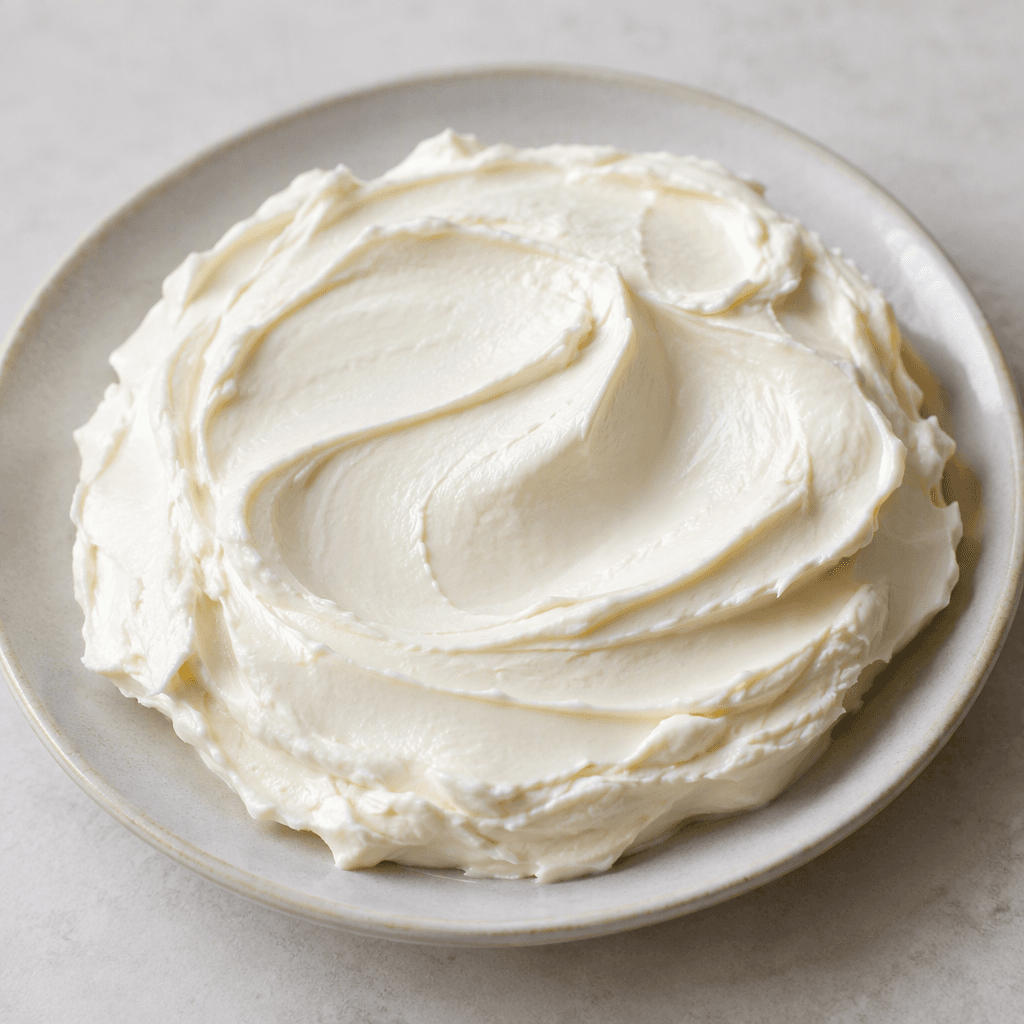
Spreadable Cheese Calories
Creamy, easy to spread, breakfast cheese
In season: Spring · Summer · Autumn · Winter
CALORIES
GI
POTASSIUM
FIBER
Quick answer
2 tablespoon (medium) of Spreadable Cheese (30 g) has 75 calories. That works out to 250 calories per 100 g. It contains 1.2 g of carbs, 2.6 g of protein, 6.6 g of fat and 0 g of fiber. Its 0.3 µg of B12 covers 11% of the Daily Value. Its glycemic index is 30 (low), so it raises blood sugar slowly.
What is Spreadable Cheese?
Smooth and mild, spreadable cheese is made by blending cheese with dairy ingredients until it has a soft, easy-to-spread texture. Recipes vary, so some versions taste saltier or richer than others. It is commonly spread on toast or bread, tucked into sandwiches, or served with crackers; fresh herbs and vegetables make easy accompaniments. Breakfast is a familiar occasion for it in many places, though it also works as a quick snack.
It is relatively rich in fat and provides a moderate amount of protein. For a lighter bite, use a thin layer and pair it with cucumber, tomatoes or other crisp vegetables; it also makes a creamy addition to a sandwich with greens.
Spreadable Cheese Nutrition Facts
Selected: 100 g
250
KCAL / 100G
Carbs
4g
· 1% DV
Protein
8.5g
· 17% DV
Fat
22g
· 28% DV
Fiber
0g
· 0% DV
DV is the share of the daily value covered, on a 2,000 kcal reference diet.
Calories come from: Carbs 6% · Protein 14% · Fat 80%
Spreadable Cheese Vitamins & Minerals
Vitamins
B12
0.9µg · 38% DV
Vitamin A
220µg · 24% DV
B2
0.28mg · 22% DV
Biotin
2.5µg · 8% DV
Minerals
Calcium
320mg · 32% DV
Phosphorus
210mg · 30% DV
Sodium
490mg · 21% DV
Selenium
7µg · 13% DV
How Nutritious Is Spreadable Cheese?
Nutrient density
Medium
How many vitamins, minerals and how much fiber this food carries per calorie. A high score means a lot of nutrition for few calories.
Satiety score
Low
An EatBetter score computed from fiber, protein and calorie density. A high score means staying full longer on the same calories.
Both scores are calculated per 100 g and do not change with the selected portion. The satiety score is EatBetter's own calculation, not a clinical measure.
Spreadable Cheese Glycemic Index
GLYCEMIC INDEX
GLYCEMIC LOAD
Accounts for portion size — a more realistic measure than GI alone.
How to Burn Off Spreadable Cheese
To burn the 250 calories in 100 g:
🚶
Walking (5 km/h)
🏃
Running (8 km/h)
🚴
Cycling
🏊
Swimming
Times are calculated with the MET equation for a 70 kg adult. Actual burn varies with your weight, age and pace.
Is Spreadable Cheese Processed?
NOVA 3
Processed
1. Unprocessed
2. Minimally Processed
3. Processed
4. Ultra-Processed
NOVA classifies foods into 4 groups by industrial processing. NOVA 1 (unprocessed) is the healthiest.
Does Spreadable Cheese Contain Allergens?
Contains these allergens:
Which Diets Is Spreadable Cheese Good For?
Vegan
— Not suitable
Vegetarian
✓ Suitable
Gluten-Free
— Not suitable
Dairy-Free
— Not suitable
Mediterranean
✓ Suitable
Paleo
— Not suitable
Whole30
— Not suitable
DASH
— Not suitable
Keto
— Not suitable
Low FODMAP
— Not suitable
Spreadable Cheese Fat Profile
SATURATED
13.5g
MONOUNSATURATED
5.8g
POLYUNSATURATED
0.3g
Omega 6:3 ratio 3.1:1
Below the ideal 4:1 — a good omega balance.
Compare Spreadable Cheese
Foods Similar to Spreadable Cheese
Frequently Asked Questions About Spreadable Cheese
Is spreadable cheese the same as cream cheese?
Not necessarily. Cream cheese is one kind of spreadable cheese, while the broader term can include products with different recipes and textures. Cream cheese is typically tangy and fairly thick; other spreadable cheeses may be softer or milder.
Can spreadable cheese be used in cheesecake?
Yes, spreadable cheese can work in cheesecake if it is thick and creamy, but a softer product may make the filling looser. For a firm result, use a recipe designed for that type of cheese rather than swapping it blindly for block cream cheese.
Can you freeze spreadable cheese?
Yes, you can freeze spreadable cheese, but thawing may make it watery or grainy. It usually works better afterward in cooked dishes, sauces, or soups than as a fresh bread spread.
What can you use instead of spreadable cheese in a recipe?
Cream cheese is the closest substitute for many recipes that call for spreadable cheese. For a lighter, tangier result, thick strained yogurt may work in dips, but it can behave differently when heated or baked.
How do you make spreadable cheese easier to spread?
Let the amount you plan to use sit out briefly so it softens slightly. This makes spreadable cheese easier to spread without warming the whole container; return the rest to the refrigerator promptly.
Can spreadable cheese be used in cooking?
Yes, spreadable cheese can enrich pasta sauces, soups, and casseroles. Stir it in over low heat near the end of cooking for a smoother result, since high heat can sometimes make dairy-based cheese separate.
How long does spreadable cheese last after opening?
Spreadable cheese should stay refrigerated after opening and be used within the period stated on its package. Keep the lid closed and use a clean utensil each time to reduce contamination and help it keep its quality.
Does spreadable cheese melt when heated?
Spreadable cheese softens with heat, but it may not melt into a smooth, stretchy sauce like some firm cheeses. Stirring it into a warm dish gradually and keeping the heat low helps it blend more evenly.
What goes well with spreadable cheese?
Spreadable cheese pairs well with crackers, toast, bagels, and sliced vegetables. You can add herbs, pepper, or chopped olives for a savory snack, or pair it with fruit for a milder sweet-and-salty combination.
Can spreadable cheese be used as a frosting or cake filling?
Yes, a thick spreadable cheese can be used in a cake filling or frosting, especially when the recipe is made for cream cheese. A softer variety may make the mixture runny, so chill the filling before spreading it.
Have another question about Spreadable Cheese?
Ask the AI nutrition coach — calories, portions, alternatives and more, answered in seconds in the app.

Scan calories with your camera
Instant AI nutrition analysis

Nutrition data compiled from USDA FoodData Central and scientific sources.