

Ready & Packaged Foods
All →Vegetables & Legumes
All →Desserts & Confectionery
All →Meat & Protein
All →Grains & Bakery
All →Beverages
All →Milk & Dairy
All →

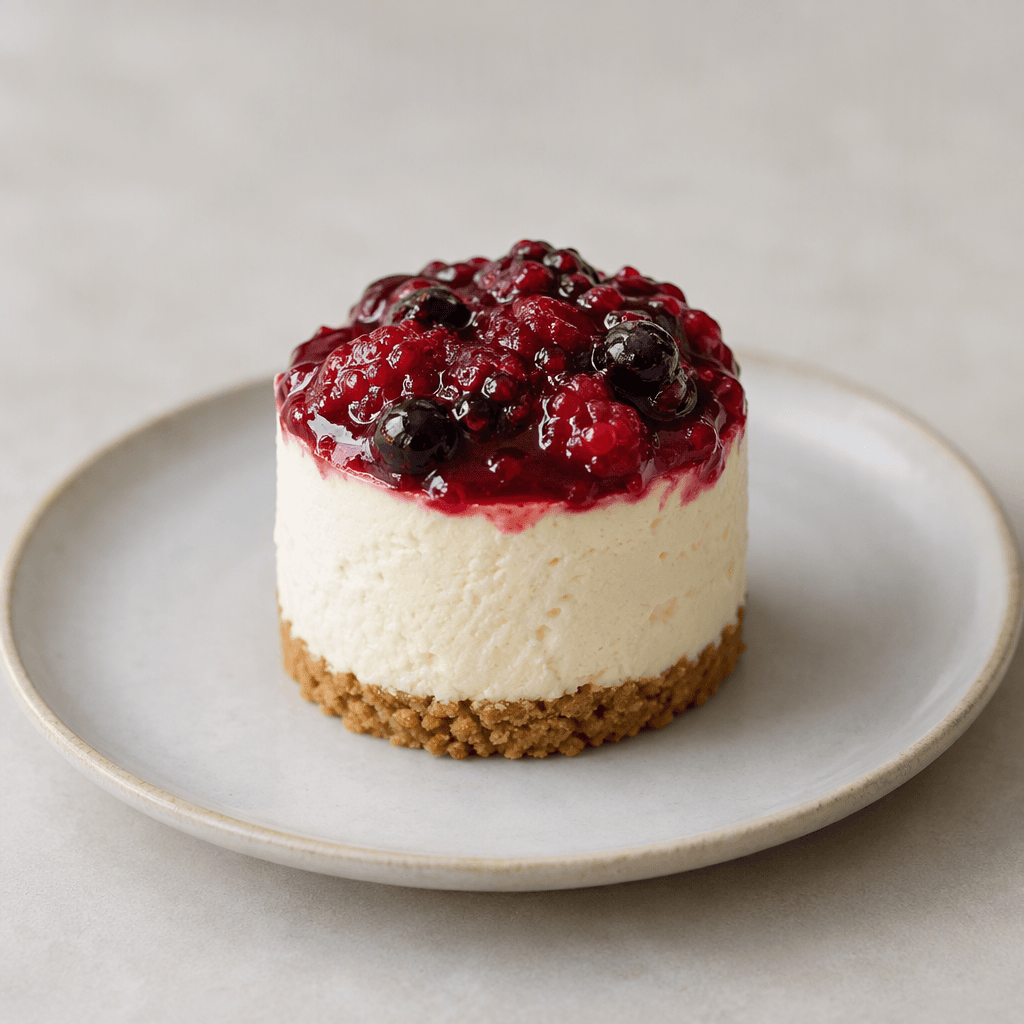
Small Dessert Calories
Small portion dessert, various ingredients
In season: Spring · Summer · Autumn · Winter
CALORIES · 100 G
GI
POTASSIUM · 100 G
FIBER · 100 G
Quick answer
1 piece (small) of Small Dessert (45 g) has 99 calories. That works out to 220 calories per 100 g. It contains 15.8 g of carbs, 1.1 g of protein, 3.6 g of fat and 0.5 g of fiber. Its glycemic index is 60 (medium), so it raises blood sugar at a moderate pace.
Small Dessert Nutrition Facts
Selected: 1 piece (small) · 45 g
99
KCAL / 45G
Carbs
15.8g
· 6% DV
Protein
1.1g
· 2% DV
Fat
3.6g
· 5% DV
Fiber
0.5g
· 2% DV
DV is the share of the daily value covered, on a 2,000 kcal reference diet.
Calories come from: Carbs 63% · Protein 4% · Fat 33%
Small Dessert nutrition facts table · 1 piece (small) (45 g)
| Nutrient | Amount | % DV |
|---|---|---|
| Calories | 99 kcal | |
| Total fat | 3.6 g | 5% |
| Saturated fat | 1.58 g | 8% |
| Trans fat | 0.05 g | |
| Sodium | 32 mg | 1% |
| Total carbohydrate | 15.8 g | 6% |
| Fiber | 0.5 g | 2% |
| Protein | 1.1 g | 2% |
Calories: Calories measure energy. Average daily need is 2,000 kcal. Excess calories are stored as fat, too few cause weight loss.
Carbs: Your body's primary energy source. The brain runs exclusively on carbs. Daily need: 275g.
Protein: Essential for muscle repair and cell growth. Daily need: 50g. Keeps you full and boosts metabolism.
Fat: Needed for hormone production and vitamin absorption. Daily need: 78g. Limit saturated fats, choose unsaturated.
Fiber: Critical for digestive health and satiety. Daily need: 28g. Stabilizes blood sugar, lowers cholesterol.

Log this food in EatBetter
100,000+ people use it
- Get your daily calorie target
- Snap your meal, log it in seconds
- See every vitamin and mineral

📸 Scan the code to get the app free.

How Many Calories in 1 Small Dessert?
| Serving | Amount | Calories |
|---|---|---|
| 1 piece (small) | 45 g | 99 kcal |
| 1 piece (extra small) | 30 g | 66 kcal |
| 1 serving (small) | 50 g | 110 kcal |
| 1 piece (medium) | 60 g | 132 kcal |
| 1 serving (medium) | 75 g | 165 kcal |
| 2 piece (double) | 90 g | 198 kcal |
| 100 g | 100 g | 220 kcal |
| 1 serving (large) | 100 g | 220 kcal |
Calculated from 220 calories per 100 g.
Frequently Asked Questions About Small Dessert
What counts as a small dessert?
A small dessert is an individually portioned sweet, usually meant to be eaten in a few bites or as one modest serving. It is not a single recipe: mini cakes, small cookies, individual puddings, and bite-size pastries can all fit the term.
What are popular small desserts for a party?
Popular small desserts for a party include mini cupcakes, bite-size brownies, small tarts, cookies, and individual puddings. Serving several kinds in small portions lets guests sample different flavors without needing to cut and plate a large dessert.
How do you make small desserts for a crowd?
Make small desserts for a crowd by using mini muffin tins, small cups, or bite-size molds and portioning the mixture evenly. Choose recipes that can be prepared in batches and decorated shortly before serving, especially if they have fresh fruit or cream.
Can small desserts be made ahead of time?
Yes, many small desserts can be made ahead. Bake cookies or mini cakes in advance and store them airtight; keep desserts with cream or dairy fillings refrigerated, and add delicate toppings close to serving so they stay fresh-looking.
How should small desserts be stored?
Store small desserts according to their ingredients: keep dry cookies and cakes in an airtight container, and refrigerate custards, cream fillings, or other perishable toppings. Separate layers with baking paper to prevent delicate pieces from sticking together.
Can you freeze small desserts?
Yes, many small desserts freeze well, particularly unfrosted cakes, cookies, and brownies. Wrap or seal individual portions to protect them from freezer odors; desserts with fresh fruit, whipped cream, or custard may lose texture after thawing.
How do you keep small desserts from drying out?
Keep small desserts from drying out by storing them in an airtight container once fully cool. Avoid leaving cut cake exposed, and refrigerate only desserts that need it, since refrigeration can make some baked treats dry faster.
Are small desserts better for portion control?
Small desserts can make portioning easier because each serving is already modest and individually presented. They are not automatically lower in sugar or energy than a larger dessert, so the ingredients and how many pieces you eat still matter.
What is the difference between a small dessert and a mini dessert?
Small dessert is a broad description of a modest sweet serving, while mini dessert often means a deliberately reduced-size version of a familiar dessert. In everyday use, the terms overlap, and neither one specifies ingredients or a particular recipe.
Can people with diabetes eat small desserts?
People with diabetes may be able to include a small dessert, but its ingredients and portion can affect blood glucose. Choose it in line with your meal plan; ask your clinician or dietitian for advice tailored to your treatment and glucose goals.
Small Dessert Vitamins & Minerals
Vitamins
B2
0.03mg · 2% DV
Biotin
0.68µg · 2% DV
Vitamin A
18µg · 2% DV
B1
0.02mg · 2% DV
Minerals
Phosphorus
16mg · 2% DV
Calcium
20mg · 2% DV
Copper
0.01mg · 1% DV
Sodium
32mg · 1% DV
Potassium ⭐
36mg · 1% DV
Small Dessert Glycemic Index
GLYCEMIC INDEX
GLYCEMIC LOAD
Accounts for portion size — a more realistic measure than GI alone.
How to Burn Off Small Dessert
To burn the 99 calories in 1 piece (small) (45 g):
🚶
Walking (5 km/h)
🏃
Running (8 km/h)
🚴
Cycling
🏊
Swimming
Times are calculated with the MET equation for a 70 kg adult. Actual burn varies with your weight, age and pace.
What is Small Dessert?
Small Dessert is a general label for a modest serving of something sweet, rather than one fixed recipe. It may be made with different ingredients, such as cake, biscuit, cream or a milk-based mixture, so the flavour and texture can range from soft and creamy to lightly crisp.
In Turkey, a small sweet is often served after a meal or offered with tea or coffee, including at gatherings and after iftar. Elsewhere, it can be enjoyed as a little after-dinner treat or alongside a hot drink. Its listed nutrition profile is mainly carbohydrate-based: per 100 g, it provides 35 g of carbohydrates and 220 kcal. A small piece suits those wanting a modest dessert; serve it with fresh fruit for a lighter-feeling finish.
How Nutritious Is Small Dessert?
Nutrient density
Low
How many vitamins, minerals and how much fiber this food carries per calorie. A high score means a lot of nutrition for few calories.
Satiety score
Low
An EatBetter score computed from fiber, protein and calorie density. A high score means staying full longer on the same calories.
Both scores are calculated per 100 g and do not change with the selected portion. The satiety score is EatBetter's own calculation, not a clinical measure.
Is Small Dessert Processed?
NOVA 3
Processed
1. Unprocessed
2. Minimally Processed
3. Processed
4. Ultra-Processed
NOVA classifies foods into 4 groups by industrial processing. NOVA 1 (unprocessed) is the healthiest.
Does Small Dessert Contain Allergens?
Contains these allergens:
Which Diets Is Small Dessert Good For?
Vegan
— Not suitable
Vegetarian
✓ Suitable
Gluten-Free
— Not suitable
Dairy-Free
— Not suitable
Mediterranean
— Not suitable
Paleo
— Not suitable
Whole30
— Not suitable
DASH
— Not suitable
Keto
— Not suitable
Low FODMAP
— Not suitable
Small Dessert Fat Profile
SATURATED
1.58g
MONOUNSATURATED
0.99g
POLYUNSATURATED
0.5g
Omega 6:3 ratio 32:1
Above the ideal 4:1 (32:1).
Compare Small Dessert
Foods Similar to Small Dessert
Have another question about Small Dessert?
Ask the AI nutrition coach — calories, portions, alternatives and more, answered in seconds in the app.

Scan calories with your camera
Instant AI nutrition analysis

Nutrition data compiled from USDA FoodData Central and scientific sources.