

Ready & Packaged Foods
All →Vegetables & Legumes
All →Desserts & Confectionery
All →Meat & Protein
All →Grains & Bakery
All →Beverages
All →Milk & Dairy
All →

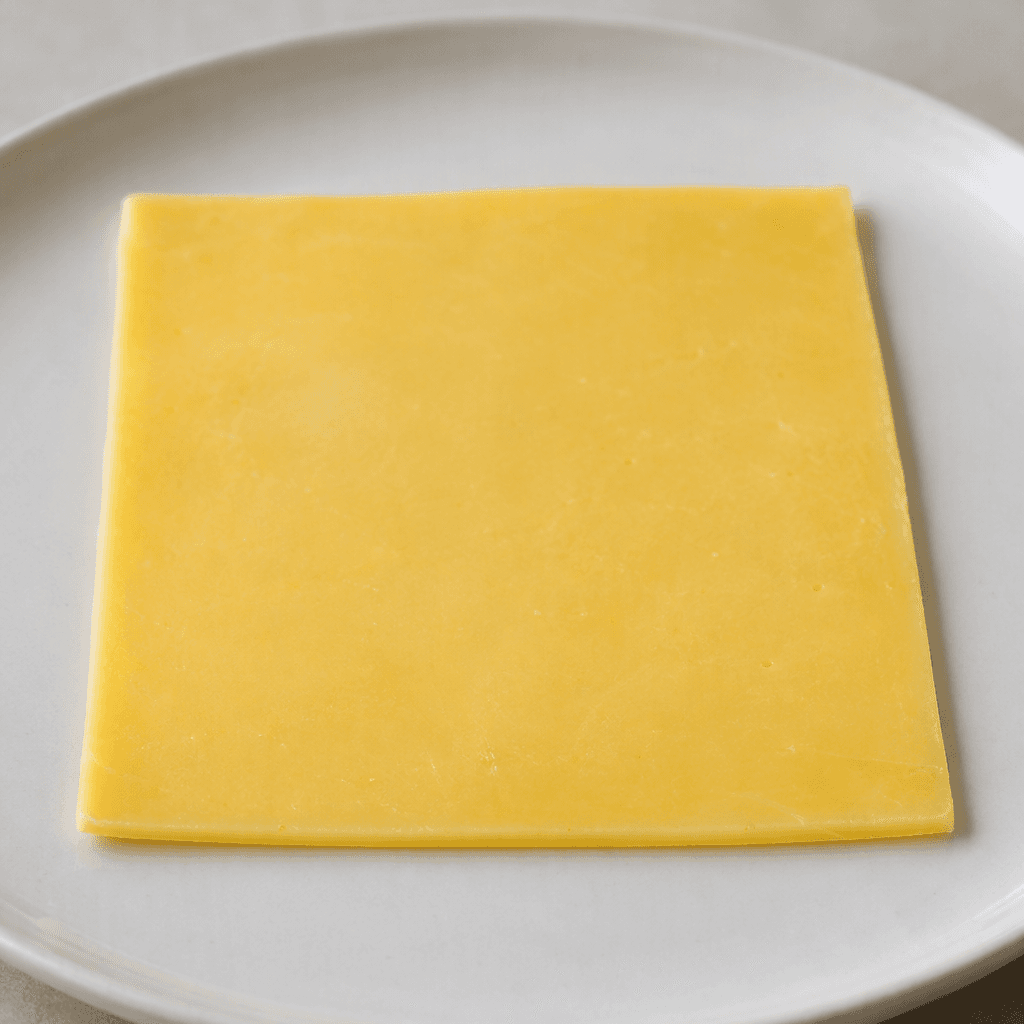
Gouda Cheese Slice Calories
Rich in calcium, good protein source, high fat
In season: Spring · Summer · Autumn · Winter
CALORIES
GI
POTASSIUM
FIBER
Quick answer
1 slice (medium) of Gouda Cheese Slice (25 g) has 89 calories. That works out to 356 calories per 100 g. It contains 0.6 g of carbs, 6.2 g of protein, 6.9 g of fat and 0 g of fiber. Its 175 mg of Calcium covers 18% of the Daily Value. Its glycemic index is 0 (low), so it raises blood sugar slowly.
What is Gouda Cheese Slice?
Kaşar, a mild Turkish semi-hard cheese, is commonly made from cow’s milk and sold in slices as well as larger blocks. Its flavour and firmness vary with age: fresh kaşar is softer and gentler, while longer-aged varieties taste more pronounced and slice more firmly.
In Turkey, it is a familiar breakfast cheese and a favourite for toast, sandwiches and melting over baked dishes. It pairs easily with tomatoes, olives or crusty bread, and works just as well in a simple grilled cheese. Kaşar provides protein and calcium, though it is also relatively high in fat. For a lighter meal, use a slice with vegetables or whole-grain bread.
Gouda Cheese Slice Nutrition Facts
Selected: 100 g
356
KCAL / 100G
Carbs
2.2g
· 1% DV
Protein
24.9g
· 50% DV
Fat
27.4g
· 35% DV
Fiber
0g
· 0% DV
DV is the share of the daily value covered, on a 2,000 kcal reference diet.
Calories come from: Carbs 2% · Protein 28% · Fat 70%
Gouda Cheese Slice Vitamins & Minerals
Vitamins
B12
1.4µg · 58% DV
B2
0.38mg · 29% DV
Vitamin A
240µg · 27% DV
B5
0.5mg · 10% DV
Minerals
Calcium
700mg · 70% DV
Phosphorus
470mg · 67% DV
Zinc
4mg · 36% DV
Sodium
819mg · 36% DV
How Nutritious Is Gouda Cheese Slice?
Nutrient density
High
How many vitamins, minerals and how much fiber this food carries per calorie. A high score means a lot of nutrition for few calories.
Satiety score
Low
An EatBetter score computed from fiber, protein and calorie density. A high score means staying full longer on the same calories.
Both scores are calculated per 100 g and do not change with the selected portion. The satiety score is EatBetter's own calculation, not a clinical measure.
Gouda Cheese Slice Glycemic Index
GLYCEMIC INDEX
GLYCEMIC LOAD
Accounts for portion size — a more realistic measure than GI alone.
How to Burn Off Gouda Cheese Slice
To burn the 356 calories in 100 g:
🚶
Walking (5 km/h)
🏃
Running (8 km/h)
🚴
Cycling
🏊
Swimming
Times are calculated with the MET equation for a 70 kg adult. Actual burn varies with your weight, age and pace.
Is Gouda Cheese Slice Processed?
NOVA 3
Processed
1. Unprocessed
2. Minimally Processed
3. Processed
4. Ultra-Processed
NOVA classifies foods into 4 groups by industrial processing. NOVA 1 (unprocessed) is the healthiest.
Does Gouda Cheese Slice Contain Allergens?
Contains these allergens:
Which Diets Is Gouda Cheese Slice Good For?
Vegan
— Not suitable
Vegetarian
✓ Suitable
Gluten-Free
— Not suitable
Dairy-Free
— Not suitable
Mediterranean
✓ Suitable
Paleo
— Not suitable
Whole30
— Not suitable
DASH
— Not suitable
Keto
✓ Suitable
Low FODMAP
— Not suitable
Gouda Cheese Slice Fat Profile
SATURATED
17.6g
MONOUNSATURATED
7.5g
POLYUNSATURATED
0.5g
Omega 6:3 ratio 5.4:1
Above the ideal 4:1 (5.4:1).
Compare Gouda Cheese Slice
Foods Similar to Gouda Cheese Slice
Frequently Asked Questions About Gouda Cheese Slice
How well does kaşar, a mild Turkish semi-hard cheese, melt?
Kaşar melts well, especially in a sandwich or toastie. Use moderate heat so the cheese softens before the bread gets too dark; very high heat can make the fat separate and leave the cheese oily.
What is kaşar cheese used for in Turkish cooking?
Kaşar is commonly used in Turkish toast, sandwiches, börek, gözleme, and baked dishes. Its savory flavor and melting texture make it useful as a filling or topping; cut the slices into smaller pieces for more even coverage.
How should you store opened kaşar cheese slices?
Keep opened kaşar cheese slices refrigerated in an airtight container or well-sealed wrapping. This helps prevent them from drying out and absorbing other food odors; discard them if you see mold or signs of spoilage.
Can you freeze kaşar cheese slices?
Yes, kaşar cheese slices can be frozen. Separate the slices and seal them in an airtight freezer bag; thawed kaşar may be less flexible or slightly crumbly, so it works best in toasties and cooked dishes.
What is the difference between sliced kaşar and a block of kaşar?
Sliced kaşar is usually the same kind of cheese as block kaşar, but it is cut and ready to use. The taste and texture can still vary with the cheese’s style and aging, rather than simply with its shape.
Why does kaşar cheese turn rubbery when heated?
Kaşar can turn rubbery when it is heated for too long or at too high a temperature. Take it off the heat as soon as it melts; prolonged heating firms the cheese and can separate out its fat.
Can you use kaşar instead of cheddar in a grilled cheese sandwich?
Yes, kaşar works in a grilled cheese sandwich and melts readily. It has a different, typically milder flavor from cheddar, so add a sharper cheese or a tangy filling if you want a more pronounced taste.
Is kaşar the same cheese as Gouda?
No, kaşar and Gouda are different cheeses. Kaşar is a Turkish semi-hard cheese, while Gouda comes from the Netherlands; both can be sold in slices and melt well, but their flavor and production traditions differ.
Can you eat kaşar cheese slices without cooking them?
Yes, kaşar cheese slices can be eaten cold without cooking. They are ready to serve in sandwiches or alongside fruit and bread, provided they have been kept refrigerated after opening.
Does kaşar cheese work in börek and gözleme?
Yes, kaşar melts into börek and gözleme fillings. Tear or cut the slices into small pieces and spread them evenly; pairing the cheese with cooked vegetables helps keep the filling from becoming watery.
Have another question about Gouda Cheese Slice?
Ask the AI nutrition coach — calories, portions, alternatives and more, answered in seconds in the app.

Scan calories with your camera
Instant AI nutrition analysis

Nutrition data compiled from USDA FoodData Central and scientific sources.