

Ready & Packaged Foods
All →Vegetables & Legumes
All →Desserts & Confectionery
All →Meat & Protein
All →Grains & Bakery
All →Beverages
All →Milk & Dairy
All →

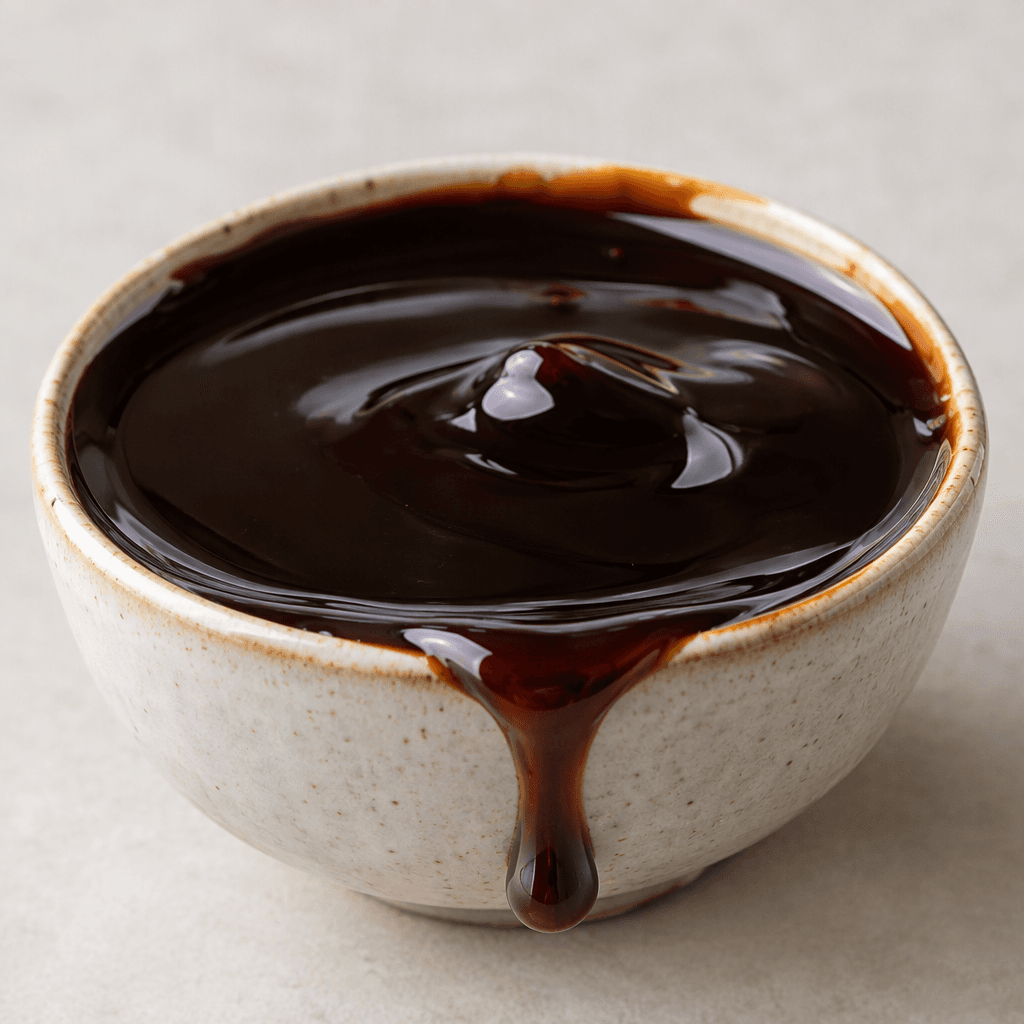
Rosehip molasses Calories
Vitamin C, natural sweetener, antioxidant
In season: Autumn · Winter
CALORIES
GI
POTASSIUM
FIBER
Quick answer
1 tablespoon (medium) of Rosehip molasses (20 g) has 54 calories. That works out to 270 calories per 100 g. It contains 13.4 g of carbs, 0.2 g of protein, 0.1 g of fat and 1.1 g of fiber. Its 70 mg of Vitamin C covers 78% of the Daily Value. Its glycemic index is 65 (high), so it raises blood sugar quickly.
What is Rosehip molasses?
Rosehip molasses is a traditional Turkish preserve made by cooking rose hips, straining the fruit and reducing its juice to a thick syrup. It has a glossy, deep reddish-brown colour and a concentrated sweet-tart flavour, with the fruit’s sharpness softened by cooking.
In Turkey, it is commonly spread on bread at breakfast, mixed with tahini or spooned into yoghurt; you can also try it stirred into porridge or served alongside tea. It is naturally sweet and carbohydrate-rich, with some fibre, so it works more as a flavourful sweetener than as a fruit serving. A little goes a long way: pair a small spoonful with plain yoghurt or tahini to balance its sweetness.
Rosehip molasses Nutrition Facts
Selected: 100 g
270
KCAL / 100G
Carbs
67g
· 24% DV
Protein
1.1g
· 2% DV
Fat
0.3g
· 0% DV
Fiber
5.5g
· 20% DV
DV is the share of the daily value covered, on a 2,000 kcal reference diet.
Calories come from: Carbs 97% · Protein 2% · Fat 1%
Rosehip molasses Vitamins & Minerals
Vitamins
Vitamin C
350mg · 389% DV
Vitamin E
2.5mg · 17% DV
B3
0.8mg · 5% DV
Vitamin K
6µg · 5% DV
Minerals
Iron
2mg · 11% DV
Potassium ⭐
300mg · 9% DV
Calcium
80mg · 8% DV
Magnesium
22mg · 5% DV
How Nutritious Is Rosehip molasses?
Nutrient density
High
How many vitamins, minerals and how much fiber this food carries per calorie. A high score means a lot of nutrition for few calories.
Satiety score
Medium
An EatBetter score computed from fiber, protein and calorie density. A high score means staying full longer on the same calories.
Both scores are calculated per 100 g and do not change with the selected portion. The satiety score is EatBetter's own calculation, not a clinical measure.
Rosehip molasses Glycemic Index
GLYCEMIC INDEX
GLYCEMIC LOAD
Accounts for portion size — a more realistic measure than GI alone.
How to Burn Off Rosehip molasses
To burn the 270 calories in 100 g:
🚶
Walking (5 km/h)
🏃
Running (8 km/h)
🚴
Cycling
🏊
Swimming
Times are calculated with the MET equation for a 70 kg adult. Actual burn varies with your weight, age and pace.
Is Rosehip molasses Processed?
NOVA 3
Processed
1. Unprocessed
2. Minimally Processed
3. Processed
4. Ultra-Processed
NOVA classifies foods into 4 groups by industrial processing. NOVA 1 (unprocessed) is the healthiest.
Does Rosehip molasses Contain Allergens?
No known major allergens
Which Diets Is Rosehip molasses Good For?
Vegan
✓ Suitable
Vegetarian
✓ Suitable
Gluten-Free
✓ Suitable
Dairy-Free
— Not suitable
Mediterranean
✓ Suitable
Paleo
✓ Suitable
Whole30
— Not suitable
DASH
— Not suitable
Keto
— Not suitable
Low FODMAP
— Not suitable
Rosehip molasses Fat Profile
SATURATED
0.03g
MONOUNSATURATED
0.04g
POLYUNSATURATED
0.05g
Omega 6:3 ratio 4:1
Below the ideal 4:1 — a good omega balance.
Compare Rosehip molasses
Foods Similar to Rosehip molasses
Frequently Asked Questions About Rosehip molasses
What is rosehip molasses, and how is it made?
Rosehip molasses is a thick, concentrated fruit syrup, not molasses made from sugar cane. It is traditionally made by softening rosehips, straining out seeds and hairs, then reducing the juice; prolonged heating can reduce heat-sensitive vitamin C.
What does rosehip molasses taste like?
Rosehip molasses tastes tangy, fruity, and deeply sweet, often with a slight tart edge. Its concentrated flavor is stronger than that of a thin fruit syrup, so a small amount can noticeably change a sauce, breakfast bowl, or drink.
How do you use rosehip molasses?
Rosehip molasses can be spread on bread, stirred into yogurt or porridge, or mixed with tahini for a sweet-tart topping. It also works in sauces and baking; add it gradually because its strong flavor and sweetness can dominate mild ingredients.
Is rosehip molasses the same as blackstrap molasses?
No. Rosehip molasses is made by concentrating rosehip juice, while blackstrap molasses is a by-product of refining sugar cane or sugar beets. They have different ingredients and flavors, so blackstrap is not a close flavor match in recipes.
Can rosehip molasses help with a cold or cough?
Rosehip molasses has not been shown to cure a cold or cough. Its sweet, thick texture may briefly soothe a scratchy throat, but it does not treat the infection or its cause; seek medical care for severe or persistent symptoms.
Can you substitute rosehip molasses for honey or maple syrup?
Yes, rosehip molasses can replace honey or maple syrup in some toppings and recipes, but its tart fruit flavor is more pronounced. Start with less than the recipe’s stated amount, taste, and adjust the other sweet or acidic ingredients.
Does cooking rosehip molasses destroy its vitamin C?
Heating can reduce vitamin C in rosehip molasses because the vitamin is sensitive to heat. The amount lost varies with preparation and cooking time, so stir it into food after cooking if you want to limit further heat exposure.
Can people with diabetes eat rosehip molasses?
People with diabetes should account for rosehip molasses as a concentrated sweetener, since it can raise blood glucose. Keep the portion modest and include its carbohydrates in meal planning; ask your doctor or dietitian what amount fits your individual plan.
How should rosehip molasses be stored after opening?
Keep rosehip molasses tightly sealed in a cool, dry place and use a clean, dry spoon each time. Follow the producer’s storage directions, especially if refrigeration is specified; discard it if you notice mold, an off smell, or an unusual change.
Is rosehip molasses the same as rosehip jam?
No. Rosehip molasses is usually a smooth, pourable concentrate made from strained juice, while rosehip jam is thicker and may contain fruit pulp. Their texture and sweetness differ, so jam may not mix smoothly into drinks or sauces.
Have another question about Rosehip molasses?
Ask the AI nutrition coach — calories, portions, alternatives and more, answered in seconds in the app.

Scan calories with your camera
Instant AI nutrition analysis

Nutrition data compiled from USDA FoodData Central and scientific sources.