

Ready & Packaged Foods
All →Vegetables & Legumes
All →Desserts & Confectionery
All →Meat & Protein
All →Grains & Bakery
All →Beverages
All →Milk & Dairy
All →

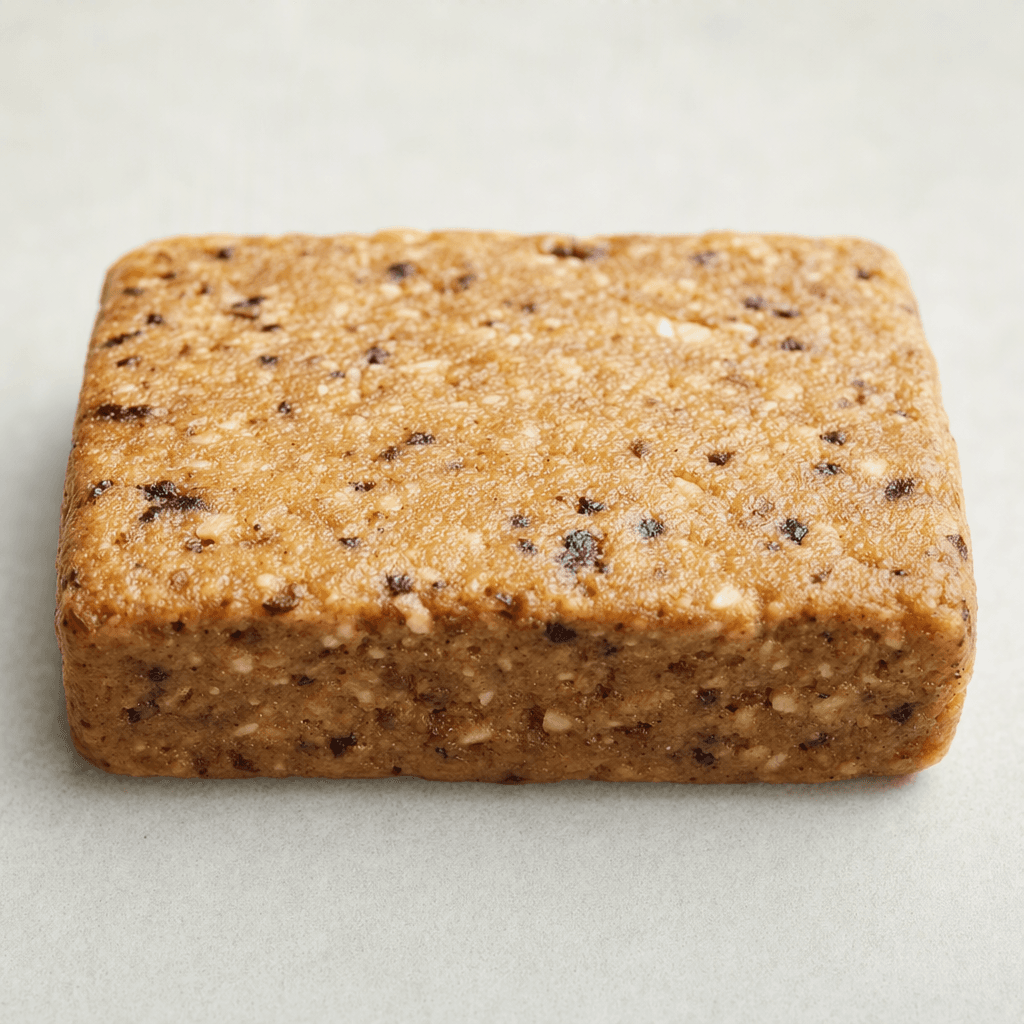
Quest protein bar Calories
High-protein, low-sugar processed snack bar
CALORIES · 100 G
GI
POTASSIUM · 100 G
FIBER · 100 G
Quick answer
1 piece (medium) of Quest protein bar (60 g) has 228 calories. That works out to 380 calories per 100 g. It contains 18 g of carbs, 20 g of protein, 8 g of fat and 14 g of fiber. Its 132 mg of Phosphorus covers 19% of the Daily Value. Its glycemic index is 25 (low), so it raises blood sugar slowly.
Quest protein bar Nutrition Facts
Selected: 1 piece (medium) · 60 g
228
KCAL / 60G
Carbs
18g
· 7% DV
Protein
20g
· 40% DV
Fat
8g
· 10% DV
Fiber
14g
· 50% DV
DV is the share of the daily value covered, on a 2,000 kcal reference diet.
Calories come from: Carbs 32% · Protein 36% · Fat 32%
Quest protein bar nutrition facts table · 1 piece (medium) (60 g)
| Nutrient | Amount | % DV |
|---|---|---|
| Calories | 228 kcal | |
| Total fat | 8 g | 10% |
| Saturated fat | 3 g | 15% |
| Trans fat | 0.06 g | |
| Sodium | 180 mg | 8% |
| Total carbohydrate | 18 g | 7% |
| Fiber | 14 g | 50% |
| Protein | 20 g | 40% |
Calories: Calories measure energy. Average daily need is 2,000 kcal. Excess calories are stored as fat, too few cause weight loss.
Carbs: Your body's primary energy source. The brain runs exclusively on carbs. Daily need: 275g.
Protein: Essential for muscle repair and cell growth. Daily need: 50g. Keeps you full and boosts metabolism.
Fat: Needed for hormone production and vitamin absorption. Daily need: 78g. Limit saturated fats, choose unsaturated.
Fiber: Critical for digestive health and satiety. Daily need: 28g. Stabilizes blood sugar, lowers cholesterol.

Log this food in EatBetter
100,000+ people use it
- Get your daily calorie target
- Snap your meal, log it in seconds
- See every vitamin and mineral

📸 Scan the code to get the app free.

How Many Calories in 1 Quest protein bar?
| Serving | Amount | Calories |
|---|---|---|
| 1 piece (medium) | 60 g | 228 kcal |
| 1 piece (half) | 30 g | 114 kcal |
| 1 piece (small) | 45 g | 171 kcal |
| 1 pack (whole) | 60 g | 228 kcal |
| 1 piece (large) | 70 g | 266 kcal |
| 1 piece (jumbo) | 80 g | 304 kcal |
| 100 g | 100 g | 380 kcal |
| 2 piece (double) | 120 g | 456 kcal |
Calculated from 380 calories per 100 g.
Frequently Asked Questions About Quest protein bar
Are Quest protein bars good for you?
Quest protein bars offer a convenient high-protein, low-sugar snack, but they are ultra-processed and contain added ingredients such as fibers and sweeteners. They can fit occasionally into a varied diet, but they are not a substitute for minimally processed meals.
Are Quest protein bars good for weight loss?
Quest protein bars do not cause weight loss by themselves. Their protein and fiber may help some people feel full between meals, making a bar a convenient snack, but replacing balanced meals with bars is not a reliable weight-loss strategy.
What ingredients are in a Quest protein bar?
Ingredients vary by flavor, but Quest protein bars commonly use milk-derived protein, added fiber, sweeteners, and flavorings. For a particular flavor or regional formula, use the ingredient list on that wrapper, since recipes can change.
Are Quest protein bars keto-friendly?
Many Quest protein bar varieties are marketed to people following low-carb or keto diets, but the formulation differs by flavor. Check the specific bar’s carbohydrate and fiber information against your own daily limit rather than assuming every variety fits.
Do Quest protein bars cause bloating or gas?
Yes, Quest protein bars can cause gas, bloating, or changes in bowel habits in some people. Added fibers and, in some varieties, sugar alcohols may be responsible; try a smaller amount or choose another snack if symptoms occur.
Can you eat a Quest protein bar every day?
Yes, a Quest protein bar can be eaten daily if it suits your eating pattern, but it does not need to be a daily staple. Since it is ultra-processed, vary your snacks with options such as fruit, yogurt, or nuts.
Are Quest protein bars good before or after a workout?
A Quest protein bar can work as a convenient snack before or after exercise. Its high fiber content may feel uncomfortable close to a workout for some people, so eat it earlier if you notice stomach discomfort while exercising.
Can you microwave a Quest protein bar?
Yes, you can microwave a Quest protein bar briefly after removing its wrapper; heating softens it and gives it a warm, dessert-like texture. Heat it in short bursts and check the temperature before eating to avoid hot spots.
Why do Quest protein bars have so much fiber?
Quest protein bars contain added fiber ingredients that contribute to their texture and nutrition profile. A large amount of fiber at once may bother people who are not used to it, so pay attention to how your body responds.
Do Quest protein bars raise blood sugar?
Quest protein bars are low in sugar, but they still contain carbohydrates, and individual blood-glucose responses vary. If you have diabetes, check your response to the specific variety and ask your healthcare professional whether it fits your meal plan.
Quest protein bar Vitamins & Minerals
Vitamins
B5
0.3mg · 6% DV
B3
0.9mg · 6% DV
B2
0.07mg · 5% DV
B1
0.06mg · 5% DV
Minerals
Phosphorus
132mg · 19% DV
Calcium
108mg · 11% DV
Selenium
4.8µg · 9% DV
Iron
1.5mg · 8% DV
Sodium
180mg · 8% DV
Potassium ⭐
108mg · 3% DV
Quest protein bar Glycemic Index
GLYCEMIC INDEX
GLYCEMIC LOAD
Accounts for portion size — a more realistic measure than GI alone.
How to Burn Off Quest protein bar
To burn the 228 calories in 1 piece (medium) (60 g):
🚶
Walking (5 km/h)
🏃
Running (8 km/h)
🚴
Cycling
🏊
Swimming
Times are calculated with the MET equation for a 70 kg adult. Actual burn varies with your weight, age and pace.
What is Quest protein bar?
Quest protein bar is a packaged snack from the US brand Quest, made with protein ingredients and added fibre and sold in a range of flavours. It is designed as a portable option rather than a homemade or traditional bar.
The texture is typically dense and chewy, with a sweet taste that varies by flavour and coating. People often reach for one between meals, while travelling or after exercise; it is less suited to replacing a balanced meal. It is high in protein and relatively low in sugar, with 33.3 g of protein per 100 g. A typical medium bar is about 60 g. For a more balanced snack, pair it with water, fruit or unsweetened tea or coffee.
How Nutritious Is Quest protein bar?
Nutrient density
Medium
How many vitamins, minerals and how much fiber this food carries per calorie. A high score means a lot of nutrition for few calories.
Satiety score
High
An EatBetter score computed from fiber, protein and calorie density. A high score means staying full longer on the same calories.
Both scores are calculated per 100 g and do not change with the selected portion. The satiety score is EatBetter's own calculation, not a clinical measure.
Is Quest protein bar Processed?
NOVA 4
Ultra-Processed
1. Unprocessed
2. Minimally Processed
3. Processed
4. Ultra-Processed
NOVA classifies foods into 4 groups by industrial processing. NOVA 1 (unprocessed) is the healthiest.
Does Quest protein bar Contain Allergens?
Contains these allergens:
Which Diets Is Quest protein bar Good For?
Vegan
— Not suitable
Vegetarian
✓ Suitable
Gluten-Free
✓ Suitable
Dairy-Free
— Not suitable
Mediterranean
— Not suitable
Paleo
— Not suitable
Whole30
— Not suitable
DASH
— Not suitable
Keto
— Not suitable
Low FODMAP
— Not suitable
Quest protein bar Fat Profile
SATURATED
3g
MONOUNSATURATED
2.7g
POLYUNSATURATED
1.8g
Omega 6:3 ratio 28:1
Above the ideal 4:1 (28:1).
Compare Quest protein bar
Foods Similar to Quest protein bar
Have another question about Quest protein bar?
Ask the AI nutrition coach — calories, portions, alternatives and more, answered in seconds in the app.

Scan calories with your camera
Instant AI nutrition analysis

Nutrition data compiled from USDA FoodData Central and scientific sources.