

Ready & Packaged Foods
All →Vegetables & Legumes
All →Desserts & Confectionery
All →Meat & Protein
All →Grains & Bakery
All →Beverages
All →Milk & Dairy
All →

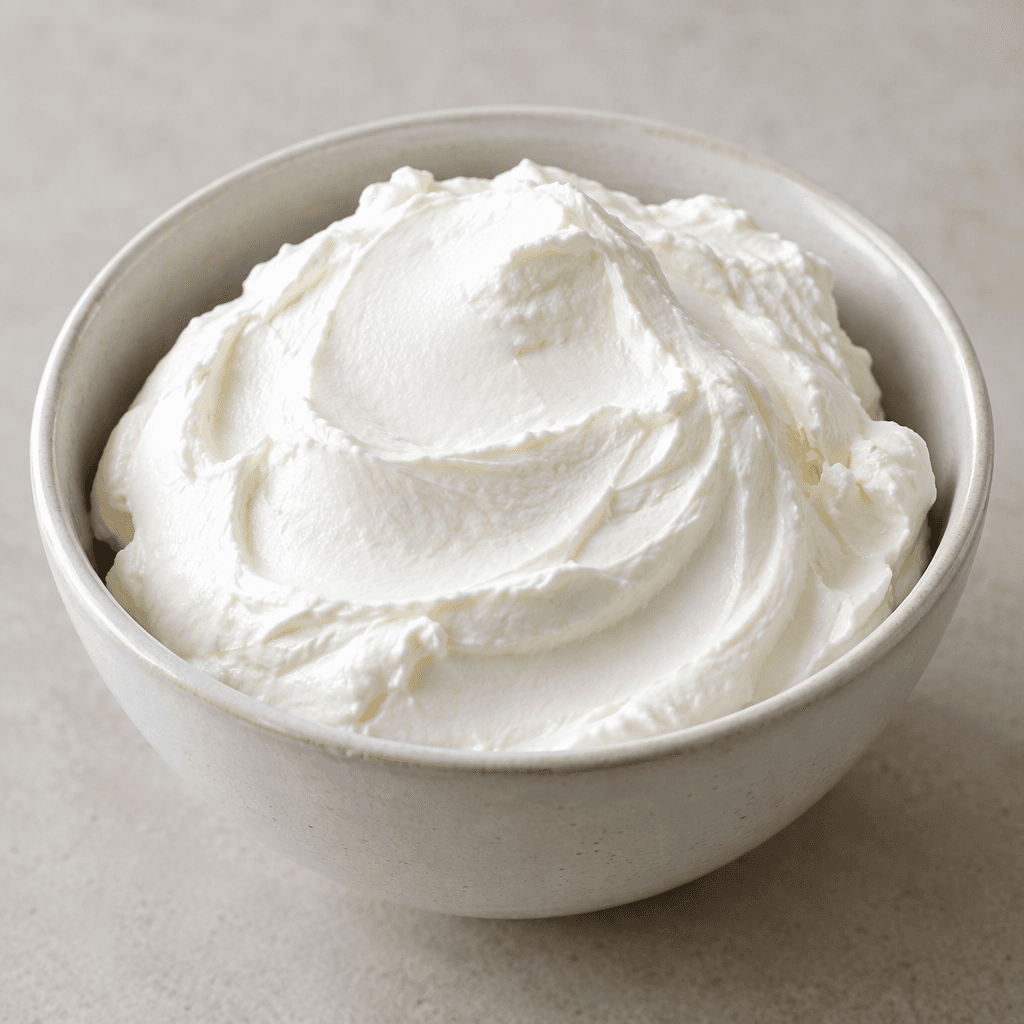
Quark (High Protein) Calories
High protein, low fat, cultured dairy product
In season: Spring · Summer · Autumn · Winter
CALORIES
GI
POTASSIUM
FIBER
Quick answer
1 cup (medium) of Quark (High Protein) (200 g) has 140 calories. That works out to 70 calories per 100 g. It contains 7 g of carbs, 27 g of protein, 0.6 g of fat and 0 g of fiber. Its 32 µg of Biotin covers 107% of the Daily Value. Its glycemic index is 30 (low), so it raises blood sugar slowly.
What is Quark (High Protein)?
Quark (High Protein) is a fresh cultured dairy product made by fermenting milk and draining it to a thick, smooth consistency. It is especially familiar in Germany and other parts of Central Europe. Its mild, slightly tangy flavour and creamy, dense texture make it easy to use in both sweet and savoury dishes.
In its home region, quark is often eaten at breakfast or as a snack, mixed with fruit, herbs or a little honey; it also appears in dips, baking and fillings. Elsewhere, it works much like thick yoghurt or soft fresh cheese. It is notably high in protein and low in fat, with 13.5 g of protein per 100 g. Pair it with berries and oats for a simple bowl, or stir in herbs for a lighter savoury spread.
Quark (High Protein) Nutrition Facts
Selected: 100 g
70
KCAL / 100G
Carbs
3.5g
· 1% DV
Protein
13.5g
· 27% DV
Fat
0.3g
· 0% DV
Fiber
0g
· 0% DV
DV is the share of the daily value covered, on a 2,000 kcal reference diet.
Calories come from: Carbs 20% · Protein 76% · Fat 4%
Quark (High Protein) Vitamins & Minerals
Vitamins
Biotin
16µg · 53% DV
B2
0.27mg · 21% DV
B12
0.5µg · 21% DV
B5
0.6mg · 12% DV
Minerals
Phosphorus
95mg · 14% DV
Selenium
7µg · 13% DV
Calcium
120mg · 12% DV
Iodine
16µg · 11% DV
How Nutritious Is Quark (High Protein)?
Nutrient density
High
How many vitamins, minerals and how much fiber this food carries per calorie. A high score means a lot of nutrition for few calories.
Satiety score
Medium
An EatBetter score computed from fiber, protein and calorie density. A high score means staying full longer on the same calories.
Both scores are calculated per 100 g and do not change with the selected portion. The satiety score is EatBetter's own calculation, not a clinical measure.
Quark (High Protein) Glycemic Index
GLYCEMIC INDEX
GLYCEMIC LOAD
Accounts for portion size — a more realistic measure than GI alone.
How to Burn Off Quark (High Protein)
To burn the 70 calories in 100 g:
🚶
Walking (5 km/h)
🏃
Running (8 km/h)
🚴
Cycling
🏊
Swimming
Times are calculated with the MET equation for a 70 kg adult. Actual burn varies with your weight, age and pace.
Is Quark (High Protein) Processed?
NOVA 2
Minimally Processed
1. Unprocessed
2. Minimally Processed
3. Processed
4. Ultra-Processed
NOVA classifies foods into 4 groups by industrial processing. NOVA 1 (unprocessed) is the healthiest.
Does Quark (High Protein) Contain Allergens?
Contains these allergens:
Which Diets Is Quark (High Protein) Good For?
Vegan
— Not suitable
Vegetarian
✓ Suitable
Gluten-Free
— Not suitable
Dairy-Free
— Not suitable
Mediterranean
✓ Suitable
Paleo
— Not suitable
Whole30
— Not suitable
DASH
— Not suitable
Keto
— Not suitable
Low FODMAP
— Not suitable
Quark (High Protein) Fat Profile
SATURATED
0.1g
MONOUNSATURATED
0.07g
POLYUNSATURATED
0.03g
Omega 6:3 ratio 2:1
Below the ideal 4:1 — a good omega balance.
Compare Quark (High Protein)
Foods Similar to Quark (High Protein)
Frequently Asked Questions About Quark (High Protein)
What does high-protein quark taste like?
High-protein quark tastes mild, fresh, and slightly tangy, with a thick, smooth texture. It is usually less sharply sour than Greek yogurt and less sweet than flavored dairy desserts, though taste can vary by brand.
How is high-protein quark different from cottage cheese?
High-protein quark is smooth and spoonable, while cottage cheese has visible curds and a lumpier texture. Both are fresh dairy foods, but they are made and strained differently, so they behave differently in recipes.
Can high-protein quark replace Greek yogurt?
Yes, high-protein quark can replace Greek yogurt in many bowls, dips, and sauces. Its texture is similarly thick, but it may taste milder and can behave differently when heated, so add it gently to hot dishes.
Can you use high-protein quark in pancakes?
Yes, high-protein quark works well in pancake batter and can also be served as a topping. Its thickness may make the batter denser, so adjust the liquid gradually until it pours easily.
Can high-protein quark be used in cheesecake?
Yes, high-protein quark can be used in cheesecake, especially in baked versions, but the filling may be less rich than one made with cream cheese. Drain excess liquid if needed and blend it smooth before mixing.
Is high-protein quark good after a workout?
Yes, high-protein quark can be a convenient post-workout food because it provides protein in a ready-to-eat form. Pair it with fruit or another carbohydrate source if you also want to replenish energy after exercise.
Can high-protein quark be used in savory recipes?
Yes, high-protein quark makes a useful base for savory dips and spreads. Mix it with herbs, lemon, garlic, or chopped vegetables; avoid boiling it in a sauce, since intense heat can make it separate.
Does high-protein quark contain lactose?
Yes, high-protein quark may contain lactose because it is made from milk. The amount varies by product, so people who are lactose intolerant should choose a clearly labeled lactose-free version or follow their clinician’s advice.
How long does high-protein quark last after opening?
Keep high-protein quark refrigerated, tightly covered, and use a clean spoon each time. Follow the package’s instructions after opening; discard it if its smell, appearance, or texture becomes unusual.
Can you freeze high-protein quark?
Yes, you can freeze high-protein quark, but thawing often makes it watery or grainy. It usually works better after thawing in cooked recipes or smoothies than eaten plain.
Have another question about Quark (High Protein)?
Ask the AI nutrition coach — calories, portions, alternatives and more, answered in seconds in the app.

Scan calories with your camera
Instant AI nutrition analysis

Nutrition data compiled from USDA FoodData Central and scientific sources.