

Ready & Packaged Foods
All →Vegetables & Legumes
All →Desserts & Confectionery
All →Meat & Protein
All →Grains & Bakery
All →Beverages
All →Milk & Dairy
All →

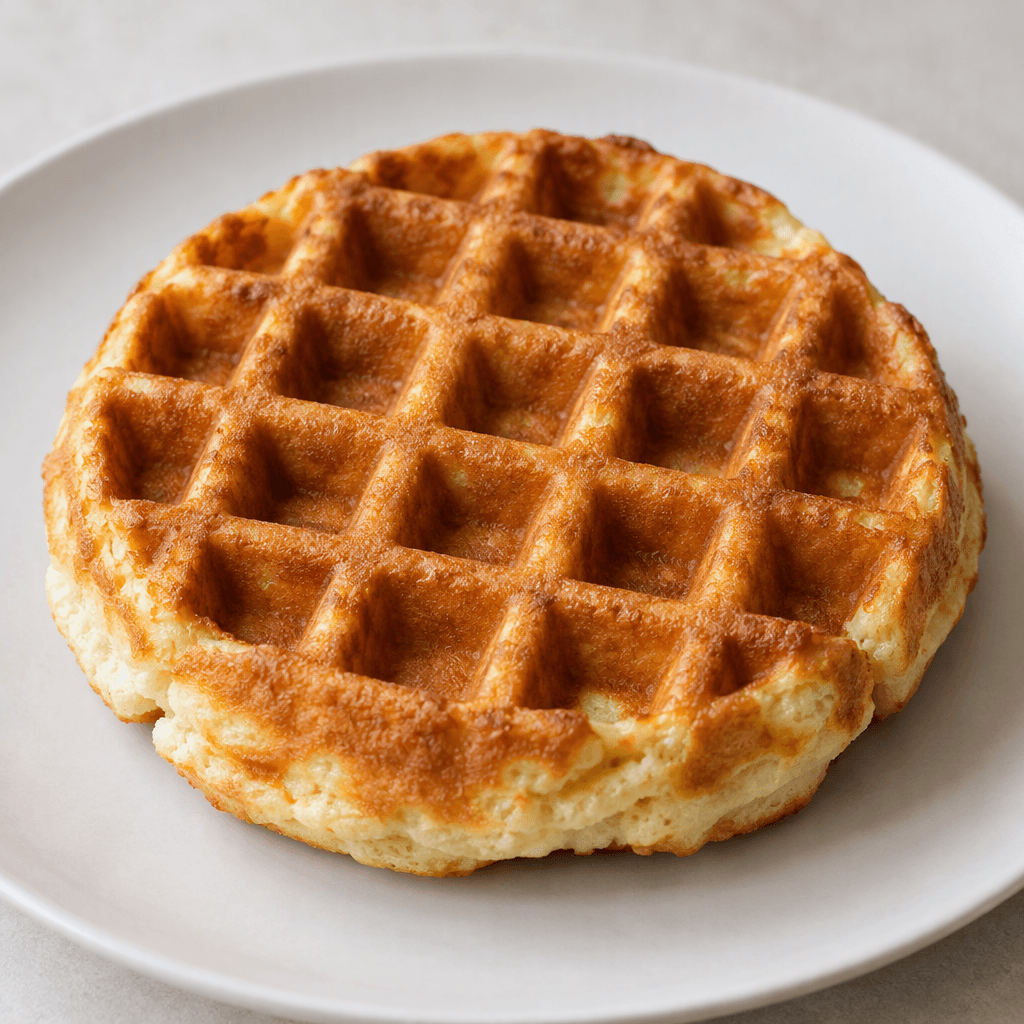
Protein Waffle Calories
High-protein, low-sugar waffle
In season: Spring · Summer · Autumn · Winter
CALORIES
GI
POTASSIUM
FIBER
Quick answer
1 piece (medium) of Protein Waffle (70 g) has 147 calories. That works out to 210 calories per 100 g. It contains 15.4 g of carbs, 12.6 g of protein, 4.6 g of fat and 2.2 g of fiber. Its 0.4 µg of B12 covers 15% of the Daily Value. Its glycemic index is 45 (medium), so it raises blood sugar at a moderate pace.
What is Protein Waffle?
Protein Waffle is a modern take on the griddled waffle, with batter commonly made from flour, eggs and milk and boosted with protein powder. Waffles have European roots, while this higher-protein version is popular in contemporary fitness-minded cooking; recipes vary, so the exact ingredients depend on the product or recipe.
Expect a crisp, ridged outside and a soft centre. It works well for breakfast or brunch, served with fruit, yogurt or a little syrup, and can also make a filling snack. Its nutritional profile is protein-forward and relatively low in sugar. For a lighter topping, try fresh berries and plain yogurt rather than adding generous amounts of syrup or chocolate.
Protein Waffle Nutrition Facts
Selected: 100 g
210
KCAL / 100G
Carbs
22g
· 8% DV
Protein
18g
· 36% DV
Fat
6.5g
· 8% DV
Fiber
3.2g
· 11% DV
DV is the share of the daily value covered, on a 2,000 kcal reference diet.
Calories come from: Carbs 40% · Protein 33% · Fat 27%
Protein Waffle Vitamins & Minerals
Vitamins
B12
0.5µg · 21% DV
B2
0.22mg · 17% DV
B1
0.18mg · 15% DV
B5
0.7mg · 14% DV
Minerals
Phosphorus
110mg · 16% DV
Selenium
8µg · 15% DV
Calcium
120mg · 12% DV
Sodium
260mg · 11% DV
How Nutritious Is Protein Waffle?
Nutrient density
Medium
How many vitamins, minerals and how much fiber this food carries per calorie. A high score means a lot of nutrition for few calories.
Satiety score
High
An EatBetter score computed from fiber, protein and calorie density. A high score means staying full longer on the same calories.
Both scores are calculated per 100 g and do not change with the selected portion. The satiety score is EatBetter's own calculation, not a clinical measure.
Protein Waffle Glycemic Index
GLYCEMIC INDEX
GLYCEMIC LOAD
Accounts for portion size — a more realistic measure than GI alone.
How to Burn Off Protein Waffle
To burn the 210 calories in 100 g:
🚶
Walking (5 km/h)
🏃
Running (8 km/h)
🚴
Cycling
🏊
Swimming
Times are calculated with the MET equation for a 70 kg adult. Actual burn varies with your weight, age and pace.
Is Protein Waffle Processed?
NOVA 3
Processed
1. Unprocessed
2. Minimally Processed
3. Processed
4. Ultra-Processed
NOVA classifies foods into 4 groups by industrial processing. NOVA 1 (unprocessed) is the healthiest.
Does Protein Waffle Contain Allergens?
Contains these allergens:
Which Diets Is Protein Waffle Good For?
Vegan
— Not suitable
Vegetarian
✓ Suitable
Gluten-Free
— Not suitable
Dairy-Free
— Not suitable
Mediterranean
— Not suitable
Paleo
— Not suitable
Whole30
— Not suitable
DASH
— Not suitable
Keto
— Not suitable
Low FODMAP
— Not suitable
Protein Waffle Fat Profile
SATURATED
1.7g
MONOUNSATURATED
2.2g
POLYUNSATURATED
1.1g
Omega 6:3 ratio 9.4:1
Above the ideal 4:1 (9.4:1).
Compare Protein Waffle
Foods Similar to Protein Waffle
Frequently Asked Questions About Protein Waffle
Is Protein Waffle a healthy breakfast?
Protein Waffle can be a convenient breakfast, especially when paired with fruit or plain yogurt. The toppings matter: fresh fruit and yogurt add balance, while generous amounts of syrup, chocolate spread, or whipped cream add a lot of sugar.
How do you make Protein Waffle at home?
To make Protein Waffle at home, mix a protein source such as eggs, Greek yogurt, or protein powder into a waffle batter, then cook it in a preheated waffle iron. Lightly greasing the plates helps prevent sticking and gives the surface a crisp finish.
Can you make Protein Waffle without protein powder?
Yes, Protein Waffle can be made without protein powder. Eggs, Greek yogurt, or cottage cheese can contribute protein instead, though they change the batter’s moisture and texture. Adjust the liquid gradually so the batter remains thick but pourable.
Does Protein Waffle taste like a regular waffle?
Protein Waffle can taste similar to a regular waffle, but its flavor and texture depend on the protein ingredients. Protein powder may make it denser or drier, while yogurt or fruit can add moisture and a slight tang.
What are the best toppings for Protein Waffle?
Fresh berries, sliced banana, plain yogurt, and nut butter all work well on Protein Waffle. For a less sweet topping, choose fruit with yogurt; syrup and chocolate spread make it sweeter but also add more sugar.
Is Protein Waffle good to eat after a workout?
Yes, Protein Waffle can be eaten after a workout because its protein contributes amino acids used in muscle repair. Pair it with fruit if you want carbohydrates as well, particularly after a longer or more intense training session.
Can you freeze Protein Waffle?
Yes, Protein Waffle freezes well. Let each waffle cool completely, separate pieces with parchment paper, and store them in a sealed freezer bag. Reheat straight from frozen in a toaster or oven for a crisper texture.
How do you keep Protein Waffle crispy when reheating it?
Reheat Protein Waffle in a toaster or oven rather than the microwave to bring back a crisp exterior. If it is homemade, cool leftovers on a rack before refrigerating; trapping steam in a closed container while warm makes the surface soft.
Why does Protein Waffle turn out rubbery?
Protein Waffle often turns rubbery when the batter is overmixed, contains too much protein powder, or is cooked for too long. Mix just until combined and avoid overcooking; a little extra milk or yogurt can help if the batter is very thick.
Can people with diabetes eat Protein Waffle?
People with diabetes may be able to include Protein Waffle, but its carbohydrate content and toppings still affect blood glucose. Pairing it with unsweetened yogurt or nuts instead of syrup can limit added sugar; individual meal plans may differ.
Have another question about Protein Waffle?
Ask the AI nutrition coach — calories, portions, alternatives and more, answered in seconds in the app.

Scan calories with your camera
Instant AI nutrition analysis

Nutrition data compiled from USDA FoodData Central and scientific sources.