

Ready & Packaged Foods
All →Vegetables & Legumes
All →Desserts & Confectionery
All →Meat & Protein
All →Grains & Bakery
All →Beverages
All →Milk & Dairy
All →

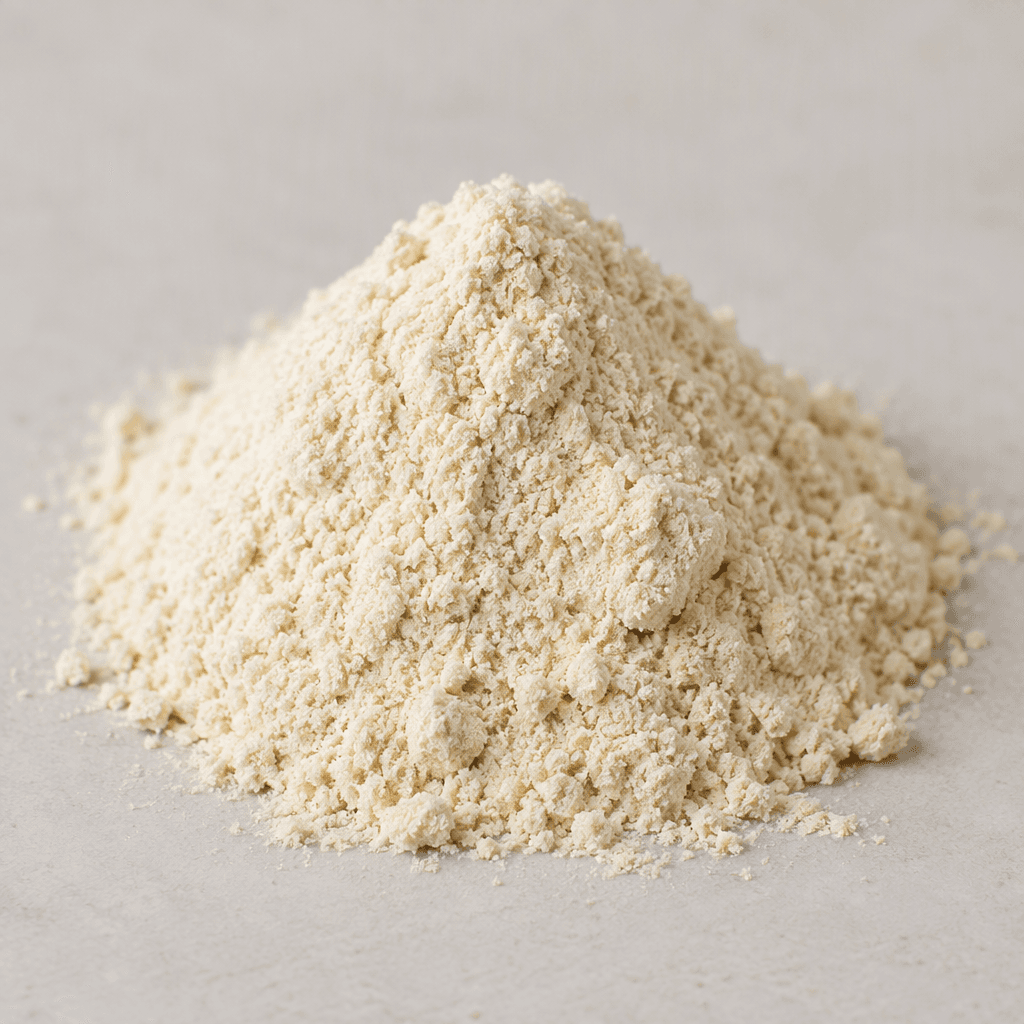
Biscuit-flavored Protein Powder Calories
High protein, biscuit flavor, sports nutrition
CALORIES
GI
POTASSIUM
FIBER
Quick answer
1 slice (medium) of Biscuit-flavored Protein Powder (30 g) has 114 calories. That works out to 380 calories per 100 g. It contains 4.5 g of carbs, 19.5 g of protein, 1.8 g of fat and 0.9 g of fiber. Its 0.5 µg of B12 covers 19% of the Daily Value. Its glycemic index is 35 (low), so it raises blood sugar slowly.
What is Biscuit-flavored Protein Powder?
Biscuit-flavored protein powder is a powdered sports-nutrition product designed to be mixed into drinks or stirred into foods. Its protein source and sweetness can vary by brand, so check the product label if you have a particular formula in mind.
The fine, flour-like powder has a sweet, baked-biscuit taste and blends into milk, water or a smoothie. People may add it to oats or yoghurt at breakfast, or mix a shake after training; it is also an easy way to flavour a snack. It is protein-rich, with 65 g of protein per 100 g. Mix it with water for a lighter drink, or stir it into yoghurt for a more substantial snack.
Biscuit-flavored Protein Powder Nutrition Facts
Selected: 100 g
380
KCAL / 100G
Carbs
15g
· 5% DV
Protein
65g
· 130% DV
Fat
6g
· 8% DV
Fiber
3g
· 11% DV
DV is the share of the daily value covered, on a 2,000 kcal reference diet.
Calories come from: Carbs 16% · Protein 70% · Fat 14%
Biscuit-flavored Protein Powder Vitamins & Minerals
Vitamins
B12
1.5µg · 63% DV
B6
0.7mg · 41% DV
B2
0.5mg · 38% DV
Biotin
8µg · 27% DV
Minerals
Phosphorus
400mg · 57% DV
Calcium
350mg · 35% DV
Selenium
13µg · 24% DV
Magnesium
80mg · 19% DV
How Nutritious Is Biscuit-flavored Protein Powder?
Nutrient density
High
How many vitamins, minerals and how much fiber this food carries per calorie. A high score means a lot of nutrition for few calories.
Satiety score
Medium
An EatBetter score computed from fiber, protein and calorie density. A high score means staying full longer on the same calories.
Both scores are calculated per 100 g and do not change with the selected portion. The satiety score is EatBetter's own calculation, not a clinical measure.
Biscuit-flavored Protein Powder Glycemic Index
GLYCEMIC INDEX
GLYCEMIC LOAD
Accounts for portion size — a more realistic measure than GI alone.
How to Burn Off Biscuit-flavored Protein Powder
To burn the 380 calories in 100 g:
🚶
Walking (5 km/h)
🏃
Running (8 km/h)
🚴
Cycling
🏊
Swimming
Times are calculated with the MET equation for a 70 kg adult. Actual burn varies with your weight, age and pace.
Is Biscuit-flavored Protein Powder Processed?
NOVA 3
Processed
1. Unprocessed
2. Minimally Processed
3. Processed
4. Ultra-Processed
NOVA classifies foods into 4 groups by industrial processing. NOVA 1 (unprocessed) is the healthiest.
Does Biscuit-flavored Protein Powder Contain Allergens?
Contains these allergens:
Which Diets Is Biscuit-flavored Protein Powder Good For?
Vegan
— Not suitable
Vegetarian
✓ Suitable
Gluten-Free
— Not suitable
Dairy-Free
— Not suitable
Mediterranean
— Not suitable
Paleo
— Not suitable
Whole30
— Not suitable
DASH
— Not suitable
Keto
— Not suitable
Low FODMAP
— Not suitable
Biscuit-flavored Protein Powder Fat Profile
SATURATED
2.2g
MONOUNSATURATED
2.1g
POLYUNSATURATED
1.1g
Omega 6:3 ratio 4.7:1
Above the ideal 4:1 (4.7:1).
Compare Biscuit-flavored Protein Powder
Foods Similar to Biscuit-flavored Protein Powder
Frequently Asked Questions About Biscuit-flavored Protein Powder
How do you use biscuit-flavored protein powder?
Biscuit-flavored protein powder can be mixed into drinks or foods. Blend or shake it with water or milk, or stir it into yogurt or oats. Adding the powder gradually and mixing well helps prevent clumps.
Does biscuit-flavored protein powder taste like actual biscuits?
It usually has a sweet, baked-cookie-like flavor, but the strength and exact notes vary by brand. Some taste more like vanilla biscuits, while others have a stronger toasted or spiced character.
Can you bake with biscuit-flavored protein powder?
Yes, biscuit-flavored protein powder can be used in pancakes, muffins, and other baked goods. Replace only part of the flour, since protein powder can make batter dry or dense; add a little extra liquid if needed.
Does biscuit-flavored protein powder contain real biscuits?
Not necessarily. Some products get their biscuit taste from flavorings, while others may include cookie pieces or similar additions. Pieces can affect the texture, so the powder may not blend as smoothly as a flavor-only version.
Is biscuit-flavored protein powder better with milk or water?
Either works: milk makes the drink creamier and usually enhances its dessert-like taste, while water gives a lighter result. Shake the powder with the liquid rather than stirring it into a small amount first to reduce clumping.
When should you take biscuit-flavored protein powder, before or after a workout?
You can have biscuit-flavored protein powder before or after a workout; there is no required timing. Taking it after exercise is convenient for some people, but it should complement meals rather than replace your usual food sources.
Can you add biscuit-flavored protein powder to coffee?
Yes, you can add it to coffee, but mixing it directly into very hot liquid may leave lumps or change the texture. First blend the powder with a splash of cool milk or water, then stir that mixture into the coffee.
Can biscuit-flavored protein powder replace a meal?
No, biscuit-flavored protein powder alone is not a balanced meal. It provides protein but does not offer the range of foods a meal can include; pair it with other ingredients if you are using it as part of breakfast or a snack.
Does biscuit-flavored protein powder cause weight gain?
It does not cause weight gain on its own. Weight changes are influenced by overall energy intake and expenditure, and additions such as milk, sweeteners, or nut butter can make a shake more energy-dense.
How should you store biscuit-flavored protein powder after opening?
Keep biscuit-flavored protein powder tightly sealed in a cool, dry place after opening. Use a dry scoop and avoid storing it somewhere steamy, such as beside a kettle, because moisture can cause clumping and spoilage.
Have another question about Biscuit-flavored Protein Powder?
Ask the AI nutrition coach — calories, portions, alternatives and more, answered in seconds in the app.

Scan calories with your camera
Instant AI nutrition analysis

Nutrition data compiled from USDA FoodData Central and scientific sources.