

Ready & Packaged Foods
All →Vegetables & Legumes
All →Desserts & Confectionery
All →Meat & Protein
All →Grains & Bakery
All →Beverages
All →Milk & Dairy
All →

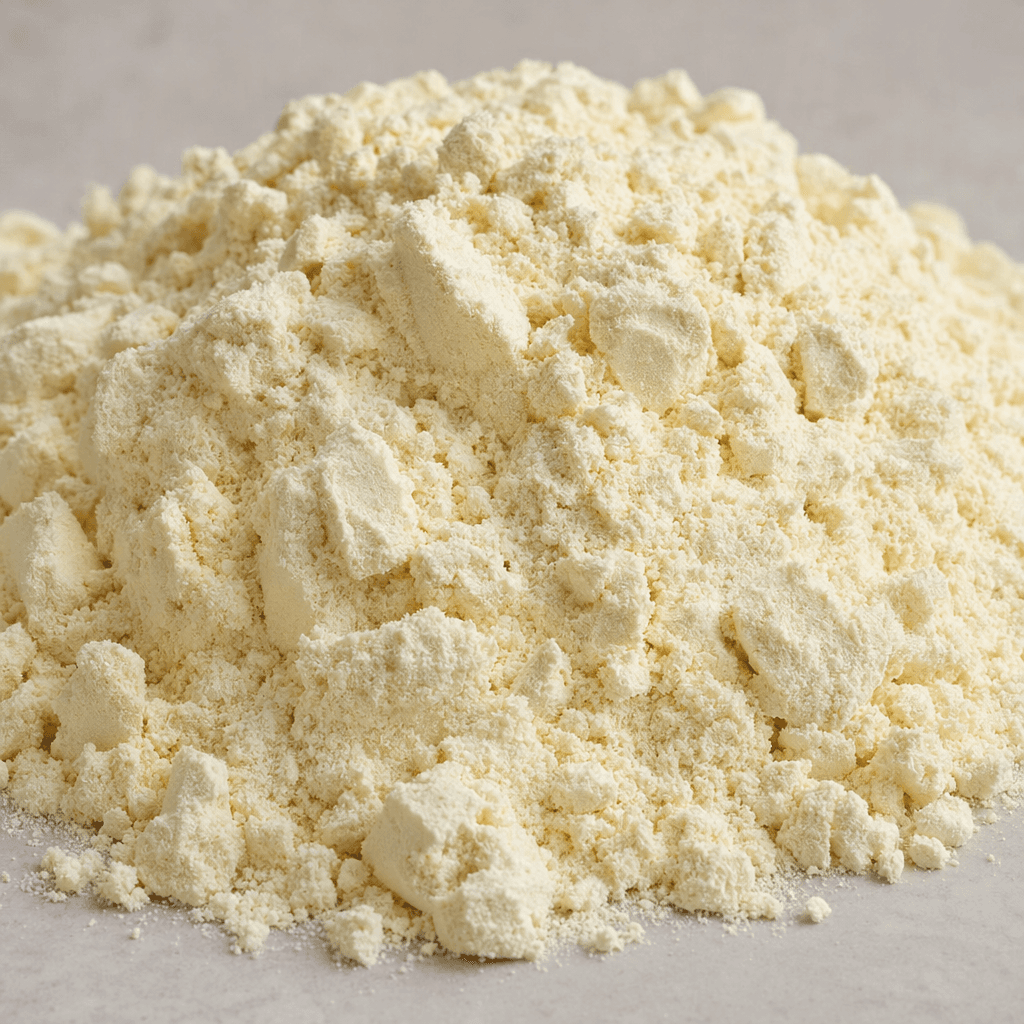
Protein isolate Calories
High protein, low carbohydrate and fat
CALORIES · 100 G
GI
POTASSIUM · 100 G
FIBER · 100 G
Quick answer
1 serving (medium) of Protein isolate (30 g) has 111 calories. That works out to 370 calories per 100 g. It contains 0.6 g of carbs, 27 g of protein, 0.5 g of fat and 0.2 g of fiber. Its 150 mg of Calcium covers 15% of the Daily Value. Its glycemic index is 15 (low), so it raises blood sugar slowly.
Protein isolate Nutrition Facts
Selected: 1 serving (medium) · 30 g
111
KCAL / 30G
Carbs
0.6g
· 0% DV
Protein
27g
· 54% DV
Fat
0.5g
· 1% DV
Fiber
0.2g
· 1% DV
DV is the share of the daily value covered, on a 2,000 kcal reference diet.
Calories come from: Carbs 2% · Protein 94% · Fat 4%
Protein isolate nutrition facts table · 1 serving (medium) (30 g)
| Nutrient | Amount | % DV |
|---|---|---|
| Calories | 111 kcal | |
| Total fat | 0.5 g | 1% |
| Saturated fat | 0.24 g | 1% |
| Trans fat | 0.01 g | |
| Sodium | 75 mg | 3% |
| Total carbohydrate | 0.6 g | 0% |
| Fiber | 0.2 g | 1% |
| Protein | 27 g | 54% |
Calories: Calories measure energy. Average daily need is 2,000 kcal. Excess calories are stored as fat, too few cause weight loss.
Carbs: Your body's primary energy source. The brain runs exclusively on carbs. Daily need: 275g.
Protein: Essential for muscle repair and cell growth. Daily need: 50g. Keeps you full and boosts metabolism.
Fat: Needed for hormone production and vitamin absorption. Daily need: 78g. Limit saturated fats, choose unsaturated.
Fiber: Critical for digestive health and satiety. Daily need: 28g. Stabilizes blood sugar, lowers cholesterol.

Log this food in EatBetter
100,000+ people use it
- Get your daily calorie target
- Snap your meal, log it in seconds
- See every vitamin and mineral

📸 Scan the code to get the app free.

How Many Calories in 1 Serving of Protein isolate?
| Serving | Amount | Calories |
|---|---|---|
| 1 serving (medium) | 30 g | 111 kcal |
| 1 tablespoon (small) | 10 g | 37 kcal |
| 2 tablespoon (medium) | 20 g | 74 kcal |
| 1 ounce (medium) | 28 g | 104 kcal |
| 1 pack (mini) | 30 g | 111 kcal |
| 1 cup (shredded) | 90 g | 333 kcal |
| 100 g | 100 g | 370 kcal |
Calculated from 370 calories per 100 g.
Frequently Asked Questions About Protein isolate
What is protein isolate made from?
This protein isolate is made from milk whey, the liquid separated during cheesemaking. Filtration concentrates the protein and removes some other components, so the finished powder is a processed supplement rather than a whole food.
Is protein isolate better than regular protein powder?
Protein isolate is a more heavily filtered type of protein powder, often with less lactose and fat than whey concentrate. “Better” depends on what you need; it still comes from milk and is not suitable for someone with a milk-protein allergy.
Can protein isolate replace a meal?
No, protein isolate alone is not a complete meal. It supplies protein but does not provide the full range of foods and nutrients found in a balanced meal, so use it as a supplement rather than a meal replacement.
Should I take protein isolate before or after a workout?
Either is fine; protein isolate does not have to be taken at one exact time to support training. Choose the timing that fits your routine, such as having it after exercise if a regular meal is not convenient.
Does protein isolate help build muscle?
Yes, protein isolate can help provide the protein needed for muscle repair and growth. It works as part of a diet that supports your training, but drinking it without resistance exercise will not build muscle by itself.
Can people with lactose intolerance use protein isolate?
Some people with lactose intolerance tolerate whey isolate because filtration usually removes much of the lactose, but the amount varies and it may not be lactose-free. It still contains milk proteins, so it is unsuitable for a milk allergy.
Can you cook or bake with protein isolate?
Yes, protein isolate can be added to recipes such as pancakes or baked goods, but heat can change its texture and make mixtures dry or rubbery. Start with a small amount and adjust the recipe’s liquid.
Can protein isolate cause bloating or stomach discomfort?
Yes, some people get bloating or stomach discomfort from protein isolate, especially if they are sensitive to milk proteins or residual lactose, or take a large serving at once. Try a smaller amount and stop if symptoms persist.
Does protein isolate cause weight gain?
Protein isolate does not automatically cause weight gain, but it adds to what you eat and drink. If you regularly consume more energy than your body uses, including from protein shakes, weight can increase.
Is protein isolate safe for people with kidney disease?
Protein needs can change with kidney disease, and extra protein may not be appropriate for everyone. Ask your doctor or dietitian before adding protein isolate so they can account for your condition and treatment.
Protein isolate Vitamins & Minerals
Vitamins
B12
0.24µg · 10% DV
B2
0.12mg · 9% DV
Biotin
1.5µg · 5% DV
B5
0.18mg · 4% DV
Minerals
Calcium
150mg · 15% DV
Phosphorus
75mg · 11% DV
Magnesium
24mg · 6% DV
Selenium
3µg · 5% DV
Potassium ⭐
120mg · 4% DV
Sodium
75mg · 3% DV
Protein isolate Glycemic Index
GLYCEMIC INDEX
GLYCEMIC LOAD
Accounts for portion size — a more realistic measure than GI alone.
How to Burn Off Protein isolate
To burn the 111 calories in 1 serving (medium) (30 g):
🚶
Walking (5 km/h)
🏃
Running (8 km/h)
🚴
Cycling
🏊
Swimming
Times are calculated with the MET equation for a 70 kg adult. Actual burn varies with your weight, age and pace.
What is Protein isolate?
Protein isolate is a powdered product made by separating and concentrating protein, often from milk. Its flavour and texture vary by product, but it is commonly mild and milky, with a fine powder that blends into liquids or soft foods.
It is usually shaken with water or milk, or stirred into smoothies, yoghurt, porridge and other everyday dishes. With a high protein content and little carbohydrate or fat, it can suit people looking to add protein without much of either. For a more substantial snack, blend it with fruit or mix it into oats; follow the product’s directions for the amount to use.
How Nutritious Is Protein isolate?
Nutrient density
Medium
How many vitamins, minerals and how much fiber this food carries per calorie. A high score means a lot of nutrition for few calories.
Satiety score
Medium
An EatBetter score computed from fiber, protein and calorie density. A high score means staying full longer on the same calories.
Both scores are calculated per 100 g and do not change with the selected portion. The satiety score is EatBetter's own calculation, not a clinical measure.
Is Protein isolate Processed?
NOVA 3
Processed
1. Unprocessed
2. Minimally Processed
3. Processed
4. Ultra-Processed
NOVA classifies foods into 4 groups by industrial processing. NOVA 1 (unprocessed) is the healthiest.
Does Protein isolate Contain Allergens?
Contains these allergens:
Which Diets Is Protein isolate Good For?
Vegan
— Not suitable
Vegetarian
✓ Suitable
Gluten-Free
✓ Suitable
Dairy-Free
— Not suitable
Mediterranean
— Not suitable
Paleo
— Not suitable
Whole30
— Not suitable
DASH
— Not suitable
Keto
✓ Suitable
Low FODMAP
— Not suitable
Protein isolate Fat Profile
SATURATED
0.24g
MONOUNSATURATED
0.06g
POLYUNSATURATED
0.11g
Omega 6:3 ratio 4.5:1
Above the ideal 4:1 (4.5:1).
Compare Protein isolate
Foods Similar to Protein isolate
Have another question about Protein isolate?
Ask the AI nutrition coach — calories, portions, alternatives and more, answered in seconds in the app.

Scan calories with your camera
Instant AI nutrition analysis

Nutrition data compiled from USDA FoodData Central and scientific sources.