

Ready & Packaged Foods
All →Vegetables & Legumes
All →Desserts & Confectionery
All →Meat & Protein
All →Grains & Bakery
All →Beverages
All →Milk & Dairy
All →

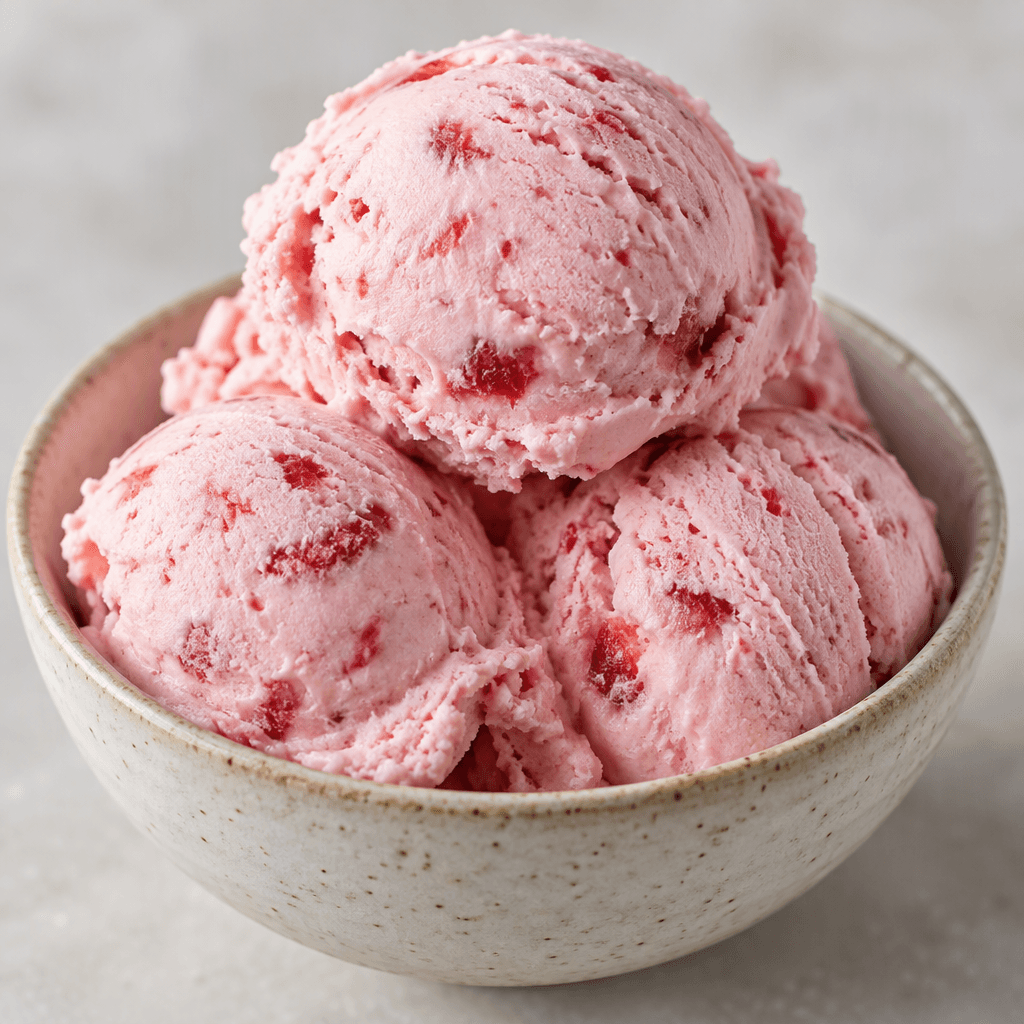
Protein fruit ice cream Calories
Protein-rich fruit-based ice cream
In season: Spring · Summer · Autumn · Winter
CALORIES
GI
POTASSIUM
FIBER
Quick answer
1 serving (medium) of Protein fruit ice cream (120 g) has 174 calories. That works out to 145 calories per 100 g. It contains 21.6 g of carbs, 10.2 g of protein, 5.4 g of fat and 2.2 g of fiber. Its 158.4 mg of Phosphorus covers 23% of the Daily Value. Its glycemic index is 48 (low), so it raises blood sugar slowly.
What is Protein fruit ice cream?
Protein fruit ice cream combines fruit or fruit purée with an ice-cream base and protein-containing ingredients. Recipes vary, so the fruit flavour and texture can range from light and smooth to denser and creamier; it is a fruit-forward frozen dessert rather than a single fixed recipe.
It is usually served by the scoop, in a cone or bowl, as a warm-weather treat, snack or dessert after a meal. The added protein gives it a more substantial nutritional profile than many conventional ice creams; it provides 8.5 g of protein per 100 g. For a simpler serving, enjoy it plain or with fresh fruit instead of adding syrup or extra sauce.
Protein fruit ice cream Nutrition Facts
Selected: 100 g
145
KCAL / 100G
Carbs
18g
· 7% DV
Protein
8.5g
· 17% DV
Fat
4.5g
· 6% DV
Fiber
1.8g
· 6% DV
DV is the share of the daily value covered, on a 2,000 kcal reference diet.
Calories come from: Carbs 49% · Protein 23% · Fat 28%
Protein fruit ice cream Vitamins & Minerals
Vitamins
B2
0.16mg · 12% DV
B12
0.28µg · 12% DV
Biotin
2.1µg · 7% DV
Vitamin C
6.5mg · 7% DV
Minerals
Phosphorus
132mg · 19% DV
Calcium
118mg · 12% DV
Zinc
1mg · 9% DV
Selenium
4.2µg · 8% DV
How Nutritious Is Protein fruit ice cream?
Nutrient density
Medium
How many vitamins, minerals and how much fiber this food carries per calorie. A high score means a lot of nutrition for few calories.
Satiety score
Medium
An EatBetter score computed from fiber, protein and calorie density. A high score means staying full longer on the same calories.
Both scores are calculated per 100 g and do not change with the selected portion. The satiety score is EatBetter's own calculation, not a clinical measure.
Protein fruit ice cream Glycemic Index
GLYCEMIC INDEX
GLYCEMIC LOAD
Accounts for portion size — a more realistic measure than GI alone.
How to Burn Off Protein fruit ice cream
To burn the 145 calories in 100 g:
🚶
Walking (5 km/h)
🏃
Running (8 km/h)
🚴
Cycling
🏊
Swimming
Times are calculated with the MET equation for a 70 kg adult. Actual burn varies with your weight, age and pace.
Is Protein fruit ice cream Processed?
NOVA 3
Processed
1. Unprocessed
2. Minimally Processed
3. Processed
4. Ultra-Processed
NOVA classifies foods into 4 groups by industrial processing. NOVA 1 (unprocessed) is the healthiest.
Does Protein fruit ice cream Contain Allergens?
Contains these allergens:
Which Diets Is Protein fruit ice cream Good For?
Vegan
— Not suitable
Vegetarian
✓ Suitable
Gluten-Free
✓ Suitable
Dairy-Free
— Not suitable
Mediterranean
— Not suitable
Paleo
— Not suitable
Whole30
— Not suitable
DASH
— Not suitable
Keto
— Not suitable
Low FODMAP
— Not suitable
Protein fruit ice cream Fat Profile
SATURATED
2.6g
MONOUNSATURATED
1.2g
POLYUNSATURATED
0.3g
Omega 6:3 ratio 5.5:1
Above the ideal 4:1 (5.5:1).
Compare Protein fruit ice cream
Foods Similar to Protein fruit ice cream
Frequently Asked Questions About Protein fruit ice cream
What is protein fruit ice cream?
Protein fruit ice cream is a frozen dessert made with fruit and a protein-containing ingredient, such as yogurt, milk, or protein powder. Recipes differ, so the texture and sweetness depend on what is blended into the fruit.
How do you make protein fruit ice cream?
Blend frozen fruit with yogurt or milk until smooth, then add protein powder if you want it. Serve it straight away for a soft texture, or freeze the mixture briefly to make it firmer.
Can you make protein fruit ice cream with frozen fruit?
Yes, frozen fruit works especially well in protein fruit ice cream. It makes the mixture cold and thick without needing much ice, which can dilute the flavor. Blend in small batches if your blender struggles with frozen pieces.
Do you need protein powder to make protein fruit ice cream?
No, protein powder is optional in protein fruit ice cream. Yogurt, milk, or another protein-containing ingredient can provide the protein instead; the choice also affects the dessert’s flavor and creaminess.
How do you stop protein fruit ice cream from turning icy?
For smoother protein fruit ice cream, use ripe frozen fruit and blend it with a creamy ingredient such as yogurt. Avoid adding too much liquid, and serve it soon after blending; a long freeze can make it firm and icy.
Is protein fruit ice cream healthier than regular ice cream?
Protein fruit ice cream can include fruit and more protein-containing ingredients than some regular ice creams, but it is not automatically healthier. Added sweeteners, portion size, and the recipe’s other ingredients still matter.
Can protein fruit ice cream help with weight loss?
Protein fruit ice cream does not cause weight loss on its own. Its protein-containing ingredients may help make a snack more filling, but it still needs to fit into your overall eating pattern and portions.
Can you make protein fruit ice cream without bananas?
Yes, protein fruit ice cream can be made without bananas. Use berries, mango, or another frozen fruit, and add yogurt or a splash of milk to help the ingredients blend; the texture may be less creamy.
Does protein fruit ice cream need added sugar?
No, protein fruit ice cream does not need added sugar. Ripe fruit can sweeten it naturally, though the result may taste less sweet than a dessert made with honey, sugar, or a sweetened protein ingredient.
How long does homemade protein fruit ice cream keep in the freezer?
Homemade protein fruit ice cream is best soon after blending, since freezing it for longer can make the texture hard or icy. Store leftovers in a tightly sealed freezer-safe container and let them soften briefly before serving.
Have another question about Protein fruit ice cream?
Ask the AI nutrition coach — calories, portions, alternatives and more, answered in seconds in the app.

Scan calories with your camera
Instant AI nutrition analysis

Nutrition data compiled from USDA FoodData Central and scientific sources.