

Ready & Packaged Foods
All →Vegetables & Legumes
All →Desserts & Confectionery
All →Meat & Protein
All →Grains & Bakery
All →Beverages
All →Milk & Dairy
All →

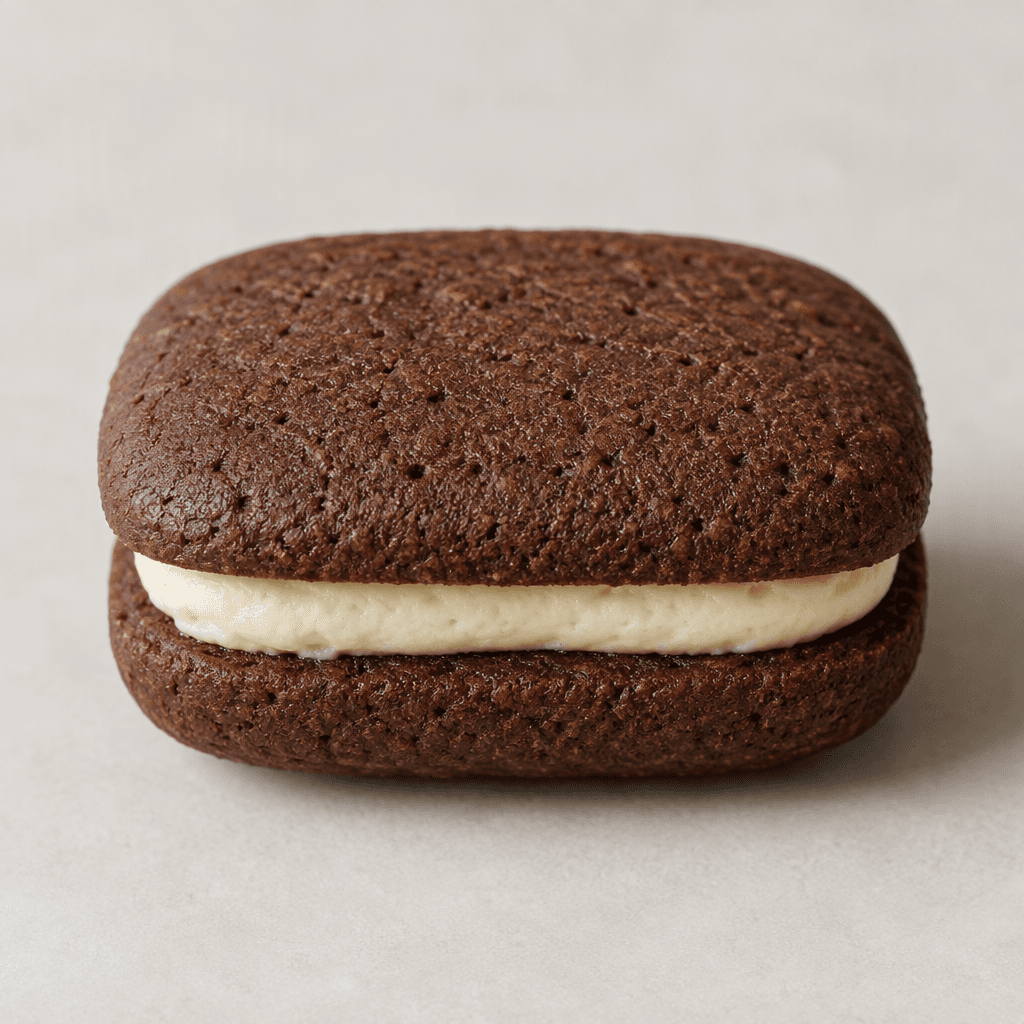
Probis probiotic biscuit Calories
Packaged biscuit containing probiotic cultures
CALORIES · 100 G
GI
POTASSIUM · 100 G
FIBER · 100 G
Quick answer
1 pack (small) of Probis probiotic biscuit (28 g) has 128 calories. That works out to 456 calories per 100 g. It contains 19.2 g of carbs, 1.8 g of protein, 4.9 g of fat and 0.9 g of fiber. Its 0.1 mg of Manganese covers 6% of the Daily Value. Its glycemic index is 67 (medium), so it raises blood sugar at a moderate pace.
Probis probiotic biscuit Nutrition Facts
Selected: 1 pack (small) · 28 g
128
KCAL / 28G
Carbs
19.2g
· 7% DV
Protein
1.8g
· 4% DV
Fat
4.9g
· 6% DV
Fiber
0.9g
· 3% DV
DV is the share of the daily value covered, on a 2,000 kcal reference diet.
Calories come from: Carbs 60% · Protein 6% · Fat 34%
Probis probiotic biscuit nutrition facts table · 1 pack (small) (28 g)
| Nutrient | Amount | % DV |
|---|---|---|
| Calories | 128 kcal | |
| Total fat | 4.9 g | 6% |
| Saturated fat | 1.99 g | 10% |
| Trans fat | 0.03 g | |
| Sodium | 87 mg | 4% |
| Total carbohydrate | 19.2 g | 7% |
| Fiber | 0.9 g | 3% |
| Protein | 1.8 g | 4% |
Calories: Calories measure energy. Average daily need is 2,000 kcal. Excess calories are stored as fat, too few cause weight loss.
Carbs: Your body's primary energy source. The brain runs exclusively on carbs. Daily need: 275g.
Protein: Essential for muscle repair and cell growth. Daily need: 50g. Keeps you full and boosts metabolism.
Fat: Needed for hormone production and vitamin absorption. Daily need: 78g. Limit saturated fats, choose unsaturated.
Fiber: Critical for digestive health and satiety. Daily need: 28g. Stabilizes blood sugar, lowers cholesterol.

Log this food in EatBetter
100,000+ people use it
- Get your daily calorie target
- Snap your meal, log it in seconds
- See every vitamin and mineral

📸 Scan the code to get the app free.

How Many Calories in 1 Small Pack of Probis probiotic biscuit?
| Serving | Amount | Calories |
|---|---|---|
| 1 pack (small) | 28 g | 128 kcal |
| 1 piece (mini) | 7 g | 32 kcal |
| 2 piece (small) | 14 g | 64 kcal |
| 4 piece (medium) | 28 g | 128 kcal |
| 1 serving (medium) | 28 g | 128 kcal |
| 6 piece (large) | 42 g | 192 kcal |
| 1 pack (double) | 56 g | 255 kcal |
| 100 g | 100 g | 456 kcal |
Calculated from 456 calories per 100 g.
Frequently Asked Questions About Probis probiotic biscuit
What makes Probis probiotic biscuit different from a regular biscuit?
Probis probiotic biscuit is distinguished by the probiotic cultures it contains. That does not establish that it has the same live-culture count or digestive effects as a probiotic supplement, and its other ingredients may differ from those in another biscuit.
Does Probis probiotic biscuit contain live probiotics when you eat it?
Probis probiotic biscuit contains probiotic cultures, but the product name alone cannot confirm how many remain alive when you eat it. Viability depends on the cultures, manufacturing process, packaging, and storage conditions.
Can probiotics survive the baking of Probis probiotic biscuit?
Baking heat can reduce the survival of many probiotic cultures. Some products add cultures after baking or use protective methods, but without details of Probis probiotic biscuit’s process, its live-culture activity at the time of eating cannot be assumed.
Is Probis probiotic biscuit a healthy snack?
Probis probiotic biscuit is an ultra-processed packaged biscuit that contains probiotic cultures. The cultures do not make it a whole or minimally processed food, so treat it as a biscuit rather than relying on it as a health food.
Does Probis probiotic biscuit help with digestion?
There is no guarantee that Probis probiotic biscuit will improve digestion. Probiotic effects depend on the specific strains and amounts used, and the presence of cultures alone does not show that this biscuit relieves bloating, constipation, or other symptoms.
Does Probis probiotic biscuit need to be refrigerated?
No, Probis probiotic biscuit generally does not need refrigeration while unopened. Keep it in a cool, dry place, reseal the pack after opening to limit moisture, and follow the storage directions and date printed on the package.
Can children eat Probis probiotic biscuit?
Yes, children who are ready for solid foods can generally eat Probis probiotic biscuit as a snack. It is not a probiotic treatment or a replacement for meals; young children should eat it seated and supervised to reduce choking risk.
Can you eat Probis probiotic biscuit every day?
You can include Probis probiotic biscuit as an occasional snack, but there is no need to eat it daily for probiotics. It is a packaged biscuit, and probiotic cultures are not a substitute for a varied diet that includes other foods.
Is Probis probiotic biscuit better than a probiotic supplement?
Not necessarily: Probis probiotic biscuit and a probiotic supplement are not interchangeable. Supplements may state specific strains and culture counts, while the biscuit’s name alone does not establish its live-culture dose or suitability for a particular health purpose.
Can Probis probiotic biscuit relieve constipation?
No, Probis probiotic biscuit should not be relied on to treat constipation. Its probiotic cultures do not establish a laxative effect; persistent constipation calls for attention to fluids and fibre-rich foods, and medical advice if symptoms continue.
Probis probiotic biscuit Vitamins & Minerals
Vitamins
B1
0.05mg · 4% DV
Vitamin E
0.48mg · 3% DV
B3
0.5mg · 3% DV
B2
0.03mg · 2% DV
Minerals
Manganese
0.15mg · 7% DV
Phosphorus
35mg · 5% DV
Selenium
2.52µg · 5% DV
Copper
0.04mg · 4% DV
Sodium
87mg · 4% DV
Potassium ⭐
44mg · 1% DV
Probis probiotic biscuit Glycemic Index
GLYCEMIC INDEX
GLYCEMIC LOAD
Accounts for portion size — a more realistic measure than GI alone.
How to Burn Off Probis probiotic biscuit
To burn the 128 calories in 1 pack (small) (28 g):
🚶
Walking (5 km/h)
🏃
Running (8 km/h)
🚴
Cycling
🏊
Swimming
Times are calculated with the MET equation for a 70 kg adult. Actual burn varies with your weight, age and pace.
What is Probis probiotic biscuit?
Probis probiotic biscuit is a packaged Turkish snack, best known for its cocoa-flavoured biscuit layers and soft banana-flavoured filling. It also contains probiotic cultures. In Turkey, it is commonly eaten as a quick snack, packed for school or work, or served with tea; its crisp chocolatey outside and sweet, soft centre make it more of a treat than a breakfast staple. Outside Turkey, you may find it in shops selling Turkish or international foods.
Like many sweet biscuits, it is mainly a source of carbohydrate and fat, with comparatively little protein. For a more substantial snack, pair it with plain yoghurt or milk; unsweetened tea or fresh fruit can balance its sweetness.
How Nutritious Is Probis probiotic biscuit?
Nutrient density
Low
How many vitamins, minerals and how much fiber this food carries per calorie. A high score means a lot of nutrition for few calories.
Satiety score
Low
An EatBetter score computed from fiber, protein and calorie density. A high score means staying full longer on the same calories.
Both scores are calculated per 100 g and do not change with the selected portion. The satiety score is EatBetter's own calculation, not a clinical measure.
Is Probis probiotic biscuit Processed?
NOVA 4
Ultra-Processed
1. Unprocessed
2. Minimally Processed
3. Processed
4. Ultra-Processed
NOVA classifies foods into 4 groups by industrial processing. NOVA 1 (unprocessed) is the healthiest.
Does Probis probiotic biscuit Contain Allergens?
Contains these allergens:
Which Diets Is Probis probiotic biscuit Good For?
Vegan
— Not suitable
Vegetarian
✓ Suitable
Gluten-Free
— Not suitable
Dairy-Free
— Not suitable
Mediterranean
— Not suitable
Paleo
— Not suitable
Whole30
— Not suitable
DASH
— Not suitable
Keto
— Not suitable
Low FODMAP
— Not suitable
Probis probiotic biscuit Fat Profile
SATURATED
1.99g
MONOUNSATURATED
1.2g
POLYUNSATURATED
1.57g
Omega 6:3 ratio 75.5:1
Above the ideal 4:1 (75.5:1).
Compare Probis probiotic biscuit
Foods Similar to Probis probiotic biscuit
Have another question about Probis probiotic biscuit?
Ask the AI nutrition coach — calories, portions, alternatives and more, answered in seconds in the app.

Scan calories with your camera
Instant AI nutrition analysis

Nutrition data compiled from USDA FoodData Central and scientific sources.