

Ready & Packaged Foods
All →Vegetables & Legumes
All →Desserts & Confectionery
All →Meat & Protein
All →Grains & Bakery
All →Beverages
All →Milk & Dairy
All →

Pepper Bread Calories
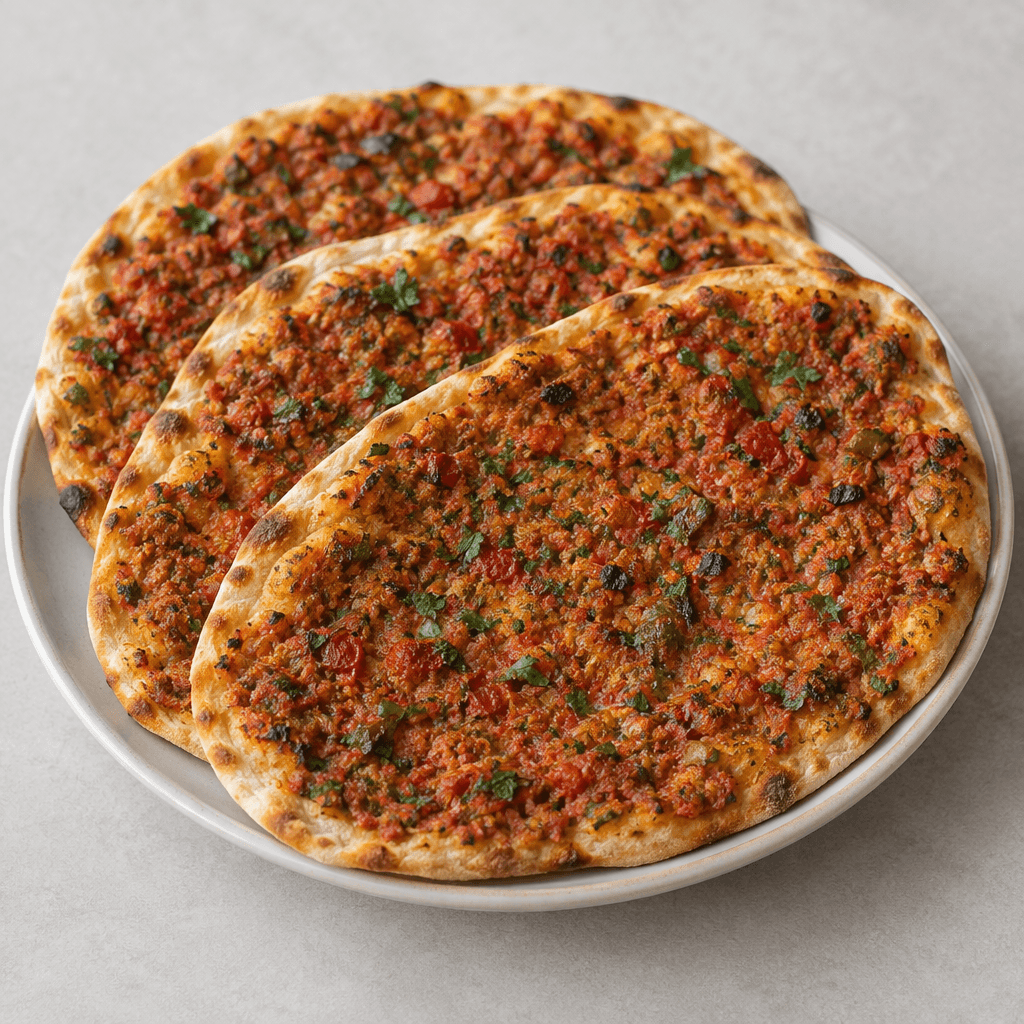
Pepper bread is a Mediterranean-style bread flavored with peppers, olive oil, and spices.
In season: Spring · Summer · Autumn · Winter
CALORIES
GI
POTASSIUM
FIBER
Quick answer
1 slice (medium) of Pepper Bread (60 g) has 162 calories. That works out to 270 calories per 100 g. It contains 28.8 g of carbs, 4.5 g of protein, 2.7 g of fat and 1.9 g of fiber. Its 252 mg of Sodium covers 11% of the Daily Value. Its glycemic index is 70 (high), so it raises blood sugar quickly.
What is Pepper Bread?
Pepper Bread is the English name used here for biberli ekmek, a flatbread associated with Hatay in southern Turkey. A thin dough is spread with a savory topping of pepper paste, olive oil and spices; recipes can also include onion or local herbs. It bakes with lightly browned edges and a soft, richly flavored top.
In Turkey, it is often eaten warm for breakfast, with tea, or as a snack, and is easy to share. Its nutrition is chiefly shaped by the bread dough, so carbohydrates make up much of its profile, while the pepper topping brings a pleasantly savory, sometimes spicy note. Serve it with fresh vegetables or a simple salad for a lighter meal.
Pepper Bread Nutrition Facts
Selected: 100 g
270
KCAL / 100G
Carbs
48g
· 17% DV
Protein
7.5g
· 15% DV
Fat
4.5g
· 6% DV
Fiber
3.2g
· 11% DV
DV is the share of the daily value covered, on a 2,000 kcal reference diet.
Calories come from: Carbs 73% · Protein 11% · Fat 16%
Pepper Bread Vitamins & Minerals
Vitamins
B1
0.18mg · 15% DV
B3
2.1mg · 13% DV
Folate
35µg · 9% DV
Vitamin A
70µg · 8% DV
Minerals
Sodium
420mg · 18% DV
Selenium
7µg · 13% DV
Phosphorus
90mg · 13% DV
Iron
2mg · 11% DV
How Nutritious Is Pepper Bread?
Nutrient density
Medium
How many vitamins, minerals and how much fiber this food carries per calorie. A high score means a lot of nutrition for few calories.
Satiety score
Medium
An EatBetter score computed from fiber, protein and calorie density. A high score means staying full longer on the same calories.
Both scores are calculated per 100 g and do not change with the selected portion. The satiety score is EatBetter's own calculation, not a clinical measure.
Pepper Bread Glycemic Index
GLYCEMIC INDEX
GLYCEMIC LOAD
Accounts for portion size — a more realistic measure than GI alone.
How to Burn Off Pepper Bread
To burn the 270 calories in 100 g:
🚶
Walking (5 km/h)
🏃
Running (8 km/h)
🚴
Cycling
🏊
Swimming
Times are calculated with the MET equation for a 70 kg adult. Actual burn varies with your weight, age and pace.
Is Pepper Bread Processed?
NOVA 3
Processed
1. Unprocessed
2. Minimally Processed
3. Processed
4. Ultra-Processed
NOVA classifies foods into 4 groups by industrial processing. NOVA 1 (unprocessed) is the healthiest.
Does Pepper Bread Contain Allergens?
Contains these allergens:
Which Diets Is Pepper Bread Good For?
Vegan
— Not suitable
Vegetarian
✓ Suitable
Gluten-Free
— Not suitable
Dairy-Free
— Not suitable
Mediterranean
✓ Suitable
Paleo
— Not suitable
Whole30
— Not suitable
DASH
— Not suitable
Keto
— Not suitable
Low FODMAP
— Not suitable
Pepper Bread Fat Profile
SATURATED
0.7g
MONOUNSATURATED
2.1g
POLYUNSATURATED
1.2g
Omega 6:3 ratio 9:1
Above the ideal 4:1 (9:1).
Compare Pepper Bread
Foods Similar to Pepper Bread
Frequently Asked Questions About Pepper Bread
What is Pepper Bread?
Pepper Bread is a Hatay-style flatbread topped with a savory mixture usually made from pepper paste, olive oil and spices. It is baked until the dough is cooked and the pepper topping becomes fragrant.
Where does Pepper Bread come from?
Pepper Bread is associated with Hatay in southern Turkey, particularly the Antakya area. Local home and bakery recipes vary in the dough, herbs and seasoning used for the topping.
How do you make Pepper Bread at home?
Roll risen bread dough into small, thin rounds, then spread each with a mixture of pepper paste, olive oil and spices. Bake in a hot oven until the dough is cooked through and the edges are lightly browned.
Is Pepper Bread spicy?
Pepper Bread can be mild or quite hot, depending on the pepper paste and extra chili used. For a milder homemade version, choose sweet pepper paste and leave out or reduce the hot pepper.
What is the difference between Pepper Bread and katıklı ekmek?
The names can overlap in Hatay, but recipes are not always identical. Pepper Bread centers on a pepper-paste topping, while some versions of katıklı ekmek add ingredients such as çökelek, a crumbly Turkish curd cheese.
What is on top of traditional Pepper Bread?
Traditional Pepper Bread has a pepper-based topping, often combining pepper paste, olive oil and regional seasonings. Depending on the recipe, it may also include herbs such as zahter or ingredients like sesame; there is no single fixed topping.
Can you eat Pepper Bread cold?
Yes, Pepper Bread can be eaten cold or at room temperature. Warming it briefly brings back a softer texture and makes the pepper-and-spice aroma more noticeable, but it does not need to be reheated to be served.
What do you serve with Pepper Bread?
Serve Pepper Bread with ayran, yogurt, olives or fresh vegetables for a simple meal. These mild sides complement its savory pepper topping without competing with the bread’s regional spices.
How should you store Pepper Bread?
Once completely cool, keep Pepper Bread in a sealed container in the refrigerator and eat it within a few days. Separate stacked pieces with parchment paper to help prevent the topping from sticking to the bread above.
Can you freeze Pepper Bread?
Yes, Pepper Bread freezes well. Cool it completely, separate pieces with parchment, and seal them in a freezer-safe bag or container. Thaw the pieces and warm them in the oven before serving.
Have another question about Pepper Bread?
Ask the AI nutrition coach — calories, portions, alternatives and more, answered in seconds in the app.

Scan calories with your camera
Instant AI nutrition analysis

Nutrition data compiled from USDA FoodData Central and scientific sources.