

Ready & Packaged Foods
All →Vegetables & Legumes
All →Desserts & Confectionery
All →Meat & Protein
All →Grains & Bakery
All →Beverages
All →Milk & Dairy
All →

Pasta oil Calories
Rich in monounsaturated fat
In season: Spring · Summer · Autumn · Winter
CALORIES
GI
POTASSIUM
FIBER
Quick answer
1 tablespoon (medium) of Pasta oil (14 g) has 119 calories. That works out to 884 calories per 100 g. It contains 0 g of carbs, 0 g of protein, 13.5 g of fat and 0 g of fiber. Its 1.9 mg of Vitamin E covers 13% of the Daily Value. Its glycemic index is 0 (low), so it raises blood sugar slowly.
What is Pasta oil?
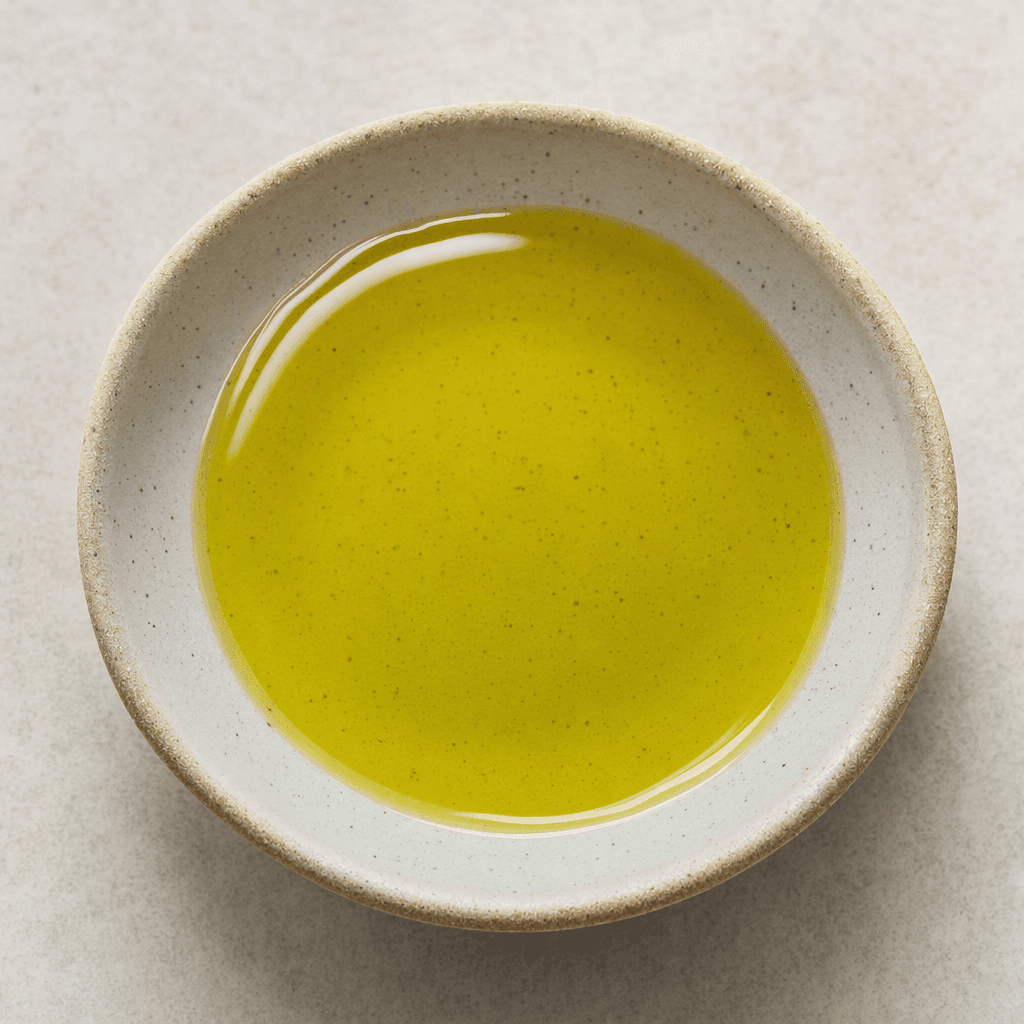
Pasta oil means the oil used to cook or dress pasta rather than one fixed, traditional blend. Depending on the recipe, it may be olive oil, butter or another cooking oil. It gives noodles a glossy coating and a richer, smoother feel; you can toss it through plain pasta or gently warm it with garlic, herbs or chilli for a quick dressing.
Across many pasta-eating households, it is served with grated cheese, vegetables or a side salad, though the choice of oil and accompaniments varies. Pasta oil is essentially pure fat, with no protein or carbohydrate. For a lighter bowl, use a modest drizzle and add vegetables, fresh herbs or a tomato-based sauce.
Pasta oil Nutrition Facts
Selected: 100 g
884
KCAL / 100G
Carbs
0g
· 0% DV
Protein
0g
· 0% DV
Fat
100g
· 128% DV
Fiber
0g
· 0% DV
DV is the share of the daily value covered, on a 2,000 kcal reference diet.
Calories come from: Carbs 0% · Protein 0% · Fat 100%
Pasta oil Vitamins & Minerals
Vitamins
Vitamin E
14.35mg · 96% DV
Vitamin K
60.2µg · 50% DV
Vitamin A
0µg · 0% DV
B1
0mg · 0% DV
Minerals
Iron
1mg · 6% DV
Calcium
1mg · 0% DV
Magnesium
0mg · 0% DV
Zinc
0mg · 0% DV
How Nutritious Is Pasta oil?
Nutrient density
Low
How many vitamins, minerals and how much fiber this food carries per calorie. A high score means a lot of nutrition for few calories.
Satiety score
Low
An EatBetter score computed from fiber, protein and calorie density. A high score means staying full longer on the same calories.
Both scores are calculated per 100 g and do not change with the selected portion. The satiety score is EatBetter's own calculation, not a clinical measure.
Pasta oil Glycemic Index
GLYCEMIC INDEX
GLYCEMIC LOAD
Accounts for portion size — a more realistic measure than GI alone.
How to Burn Off Pasta oil
To burn the 884 calories in 100 g:
🚶
Walking (5 km/h)
🏃
Running (8 km/h)
🚴
Cycling
🏊
Swimming
Times are calculated with the MET equation for a 70 kg adult. Actual burn varies with your weight, age and pace.
Is Pasta oil Processed?
NOVA 2
Minimally Processed
1. Unprocessed
2. Minimally Processed
3. Processed
4. Ultra-Processed
NOVA classifies foods into 4 groups by industrial processing. NOVA 1 (unprocessed) is the healthiest.
Does Pasta oil Contain Allergens?
No known major allergens
Which Diets Is Pasta oil Good For?
Vegan
✓ Suitable
Vegetarian
✓ Suitable
Gluten-Free
✓ Suitable
Dairy-Free
— Not suitable
Mediterranean
✓ Suitable
Paleo
✓ Suitable
Whole30
— Not suitable
DASH
— Not suitable
Keto
✓ Suitable
Low FODMAP
— Not suitable
Pasta oil Fat Profile
SATURATED
13.81g
MONOUNSATURATED
72.96g
POLYUNSATURATED
10.52g
Omega 6:3 ratio 12.8:1
Above the ideal 4:1 (12.8:1).
Compare Pasta oil
Foods Similar to Pasta oil
Frequently Asked Questions About Pasta oil
What is pasta oil used for?
Pasta oil is used to add richness and help carry flavors in a pasta dish, usually after cooking or as part of a sauce. The name does not identify one standardized recipe or a single required oil.
Can you put pasta oil in boiling water?
No, adding pasta oil to boiling water does not reliably stop pasta from sticking. The oil mostly floats on the surface, and oil-coated pasta can be harder for sauce to cling to after draining.
How do you use pasta oil for aglio e olio?
For aglio e olio, gently warm pasta oil with sliced garlic, then toss it with cooked pasta and a little pasta water. Keep the heat low so the garlic flavors the oil without burning.
Can pasta oil replace olive oil in a pasta recipe?
Yes, pasta oil can replace olive oil if it is a suitable cooking oil and its flavor works with the recipe. If the pasta oil is already seasoned or infused, account for those flavors before adding more.
Does pasta oil make pasta less sticky?
Pasta oil can coat drained noodles and make them feel less sticky, but it may also keep sauce from adhering well. Toss freshly drained pasta with its sauce instead when serving it immediately.
How much pasta oil should you add to pasta?
Start with a small amount of pasta oil and add more only if the dish needs it. The right amount depends on whether the sauce already contains oil; too much can leave the pasta greasy.
Can you make pasta oil with fresh garlic?
Yes, you can flavor pasta oil with garlic, but homemade garlic-in-oil should not be stored at room temperature. Refrigerate it promptly and use it within a few days, or make only what you need.
Can pasta oil be used in pesto?
Yes, pasta oil can be used in pesto if its flavor suits the herbs, cheese, and nuts. Add it gradually while blending so the pesto stays thick rather than becoming oily.
Can you reheat pasta oil?
Yes, pasta oil can be reheated gently, preferably with the pasta or sauce rather than heated alone until it smokes. Repeated overheating can damage flavor and make the oil taste unpleasant.
Is pasta oil better than butter for pasta?
Pasta oil and butter give pasta different flavors and textures. An oil rich in monounsaturated fat generally provides more unsaturated fat than butter, while butter brings a richer, creamier taste.
Have another question about Pasta oil?
Ask the AI nutrition coach — calories, portions, alternatives and more, answered in seconds in the app.

Scan calories with your camera
Instant AI nutrition analysis

Nutrition data compiled from USDA FoodData Central and scientific sources.