

Ready & Packaged Foods
All →Vegetables & Legumes
All →Desserts & Confectionery
All →Meat & Protein
All →Grains & Bakery
All →Beverages
All →Milk & Dairy
All →

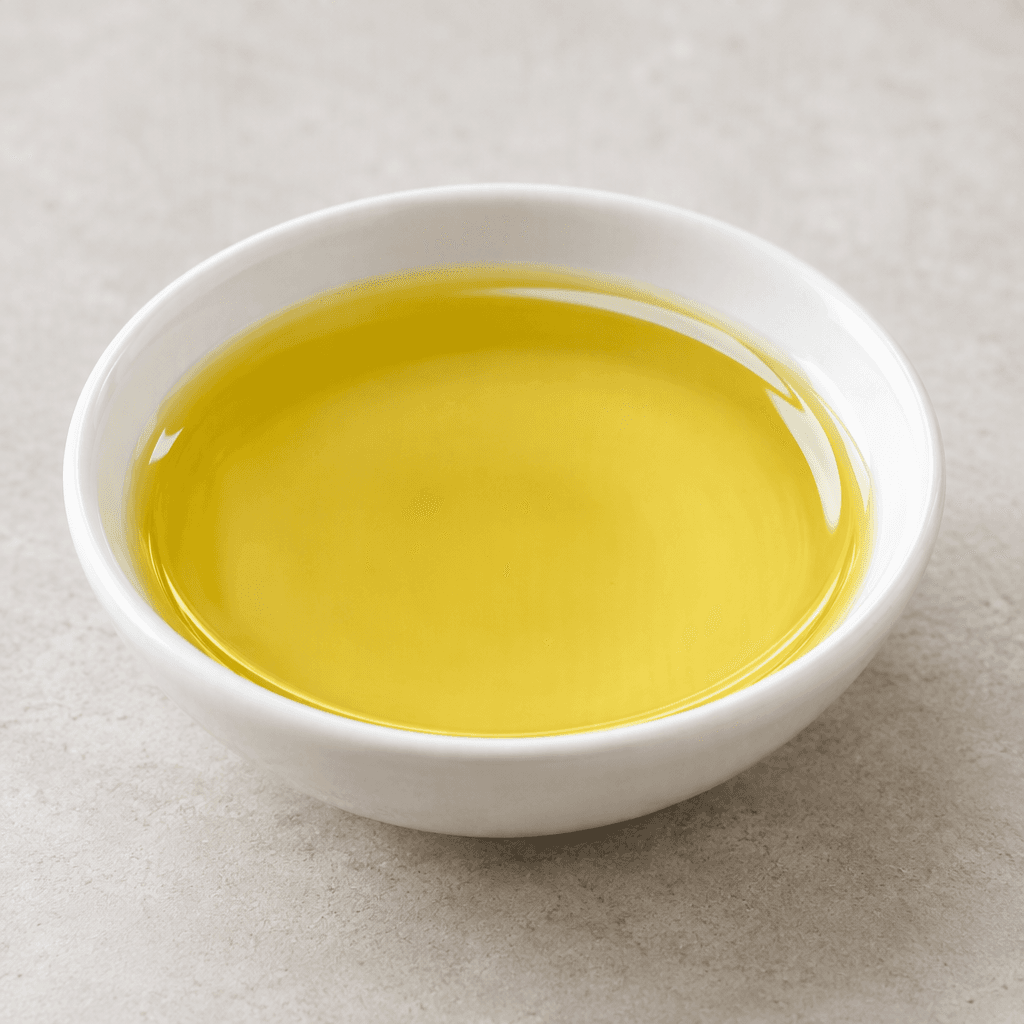
Omelette oil Calories
High in vitamin E
CALORIES
GI
POTASSIUM
FIBER
Quick answer
1 tablespoon (medium) of Omelette oil (14 g) has 124 calories. That works out to 884 calories per 100 g. It contains 0 g of carbs, 0 g of protein, 14 g of fat and 0 g of fiber. Its 5.8 mg of Vitamin E covers 38% of the Daily Value. Its glycemic index is 0 (low), so it raises blood sugar slowly.
What is Omelette oil?
Omelette oil is cooking oil used to grease the pan and cook an omelette; the name describes its purpose rather than a particular source or blend. Its flavour depends on the oil used, while its main role is to help the eggs release from the pan and cook evenly. A little can also give the edges a gently browned finish.
In many places, omelettes are served at breakfast or brunch, often with toast, vegetables or herbs, and the oil goes into the pan before the eggs. It is essentially all fat, with no protein or carbohydrate, so it adds energy without making the meal more filling on its own. For a lighter omelette, use a non-stick pan and just enough oil to coat it.
Omelette oil Nutrition Facts
Selected: 100 g
884
KCAL / 100G
Carbs
0g
· 0% DV
Protein
0g
· 0% DV
Fat
100g
· 128% DV
Fiber
0g
· 0% DV
DV is the share of the daily value covered, on a 2,000 kcal reference diet.
Calories come from: Carbs 0% · Protein 0% · Fat 100%
Omelette oil Vitamins & Minerals
Vitamins
Vitamin E
41.1mg · 274% DV
Vitamin K
5.4µg · 5% DV
Vitamin A
0µg · 0% DV
B1
0mg · 0% DV
Minerals
Calcium
0mg · 0% DV
Iron
0mg · 0% DV
Magnesium
0mg · 0% DV
Zinc
0mg · 0% DV
How Nutritious Is Omelette oil?
Nutrient density
Low
How many vitamins, minerals and how much fiber this food carries per calorie. A high score means a lot of nutrition for few calories.
Satiety score
Low
An EatBetter score computed from fiber, protein and calorie density. A high score means staying full longer on the same calories.
Both scores are calculated per 100 g and do not change with the selected portion. The satiety score is EatBetter's own calculation, not a clinical measure.
Omelette oil Glycemic Index
GLYCEMIC INDEX
GLYCEMIC LOAD
Accounts for portion size — a more realistic measure than GI alone.
How to Burn Off Omelette oil
To burn the 884 calories in 100 g:
🚶
Walking (5 km/h)
🏃
Running (8 km/h)
🚴
Cycling
🏊
Swimming
Times are calculated with the MET equation for a 70 kg adult. Actual burn varies with your weight, age and pace.
Is Omelette oil Processed?
NOVA 2
Minimally Processed
1. Unprocessed
2. Minimally Processed
3. Processed
4. Ultra-Processed
NOVA classifies foods into 4 groups by industrial processing. NOVA 1 (unprocessed) is the healthiest.
Does Omelette oil Contain Allergens?
No known major allergens
Which Diets Is Omelette oil Good For?
Vegan
✓ Suitable
Vegetarian
✓ Suitable
Gluten-Free
✓ Suitable
Dairy-Free
— Not suitable
Mediterranean
✓ Suitable
Paleo
✓ Suitable
Whole30
— Not suitable
DASH
— Not suitable
Keto
✓ Suitable
Low FODMAP
— Not suitable
Omelette oil Fat Profile
SATURATED
10.3g
MONOUNSATURATED
22.5g
POLYUNSATURATED
66.3g
Omega 6:3 ratio 622:1
Above the ideal 4:1 (622:1).
Compare Omelette oil
Foods Similar to Omelette oil
Frequently Asked Questions About Omelette oil
What is omelette oil?
Omelette oil is cooking oil used to coat a pan and cook an omelette. The name does not identify one standard oil or recipe, so its flavor, smoke point, and ingredients depend on the specific product.
What is the best omelette oil for a French omelette?
A neutral-flavoured oil works well for a French omelette when you want the eggs to remain the focus. Choose an oil suited to pan cooking, and use butter instead if you want its distinctive rich flavour.
Can you make an omelette with extra-virgin olive oil?
Yes, extra-virgin olive oil works for an omelette and adds a noticeable fruity flavour. Cook over moderate heat rather than letting the oil smoke, since excessive heat can make the oil and eggs taste unpleasant.
How much omelette oil should I use?
Use just enough omelette oil to create a thin coating across the pan. A well-seasoned or nonstick pan needs less than a large or worn pan, and excess oil can make the finished omelette greasy.
Should omelette oil go into a cold or hot pan?
You can add omelette oil as the pan heats or to a preheated pan, then swirl it over the surface before adding the eggs. If the oil starts smoking, lower the heat before cooking.
Does omelette oil change the taste of an omelette?
Yes, omelette oil can affect the flavour: olive oil tastes more pronounced, while many neutral oils are less noticeable. If you want the eggs or fillings to stand out, choose a mild-tasting oil.
Why does an omelette stick even with omelette oil?
An omelette can stick despite omelette oil if the pan coating is damaged, the pan is too hot, or the oil has not covered the surface. Use a suitable nonstick pan and spread a thin, even layer of oil.
Can omelette oil replace butter in an omelette?
Yes, omelette oil can replace butter for cooking an omelette, but the result will have a different flavour and texture. Butter gives a characteristic creamy taste; oil generally provides a less buttery finish.
Can you reuse omelette oil after cooking eggs?
It is best not to reuse omelette oil left in the pan after cooking eggs. Egg residue can burn when reheated and affect the next dish, so let the leftover oil cool and discard it.
How should omelette oil be stored after opening?
Keep omelette oil tightly closed in a cool, dark place, away from the stove and direct sunlight. Heat and light can speed up rancidity; follow the product’s storage directions if they specify refrigeration.
Have another question about Omelette oil?
Ask the AI nutrition coach — calories, portions, alternatives and more, answered in seconds in the app.

Scan calories with your camera
Instant AI nutrition analysis

Nutrition data compiled from USDA FoodData Central and scientific sources.