

Ready & Packaged Foods
All →Vegetables & Legumes
All →Desserts & Confectionery
All →Meat & Protein
All →Grains & Bakery
All →Beverages
All →Milk & Dairy
All →

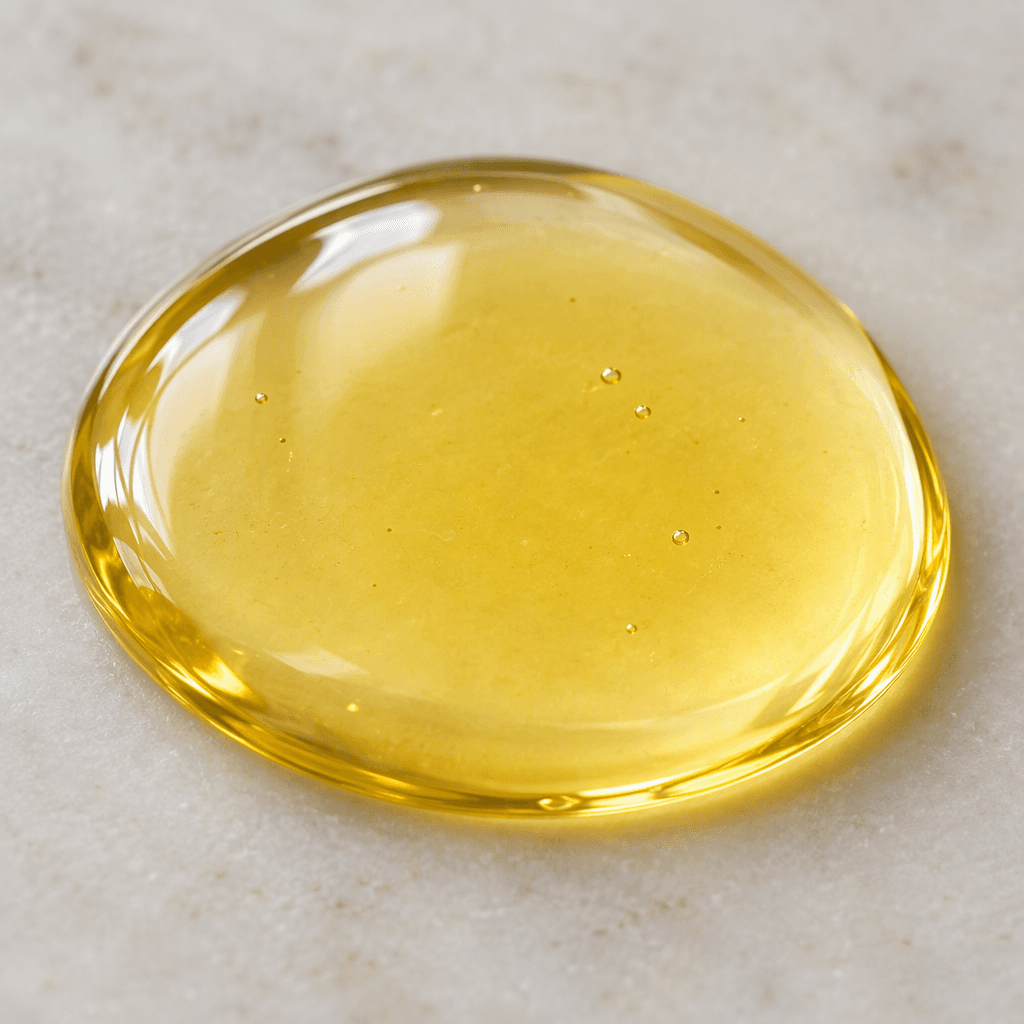
Ocean Plus fish oil Calories
Rich in Omega-3, source of EPA and DHA, supports heart and brain health
In season: Spring · Summer · Autumn · Winter
CALORIES
GI
POTASSIUM
FIBER
Quick answer
1 teaspoon (medium) of Ocean Plus fish oil (5 g) has 41 calories. That works out to 900 calories per 100 g. It contains 0 g of carbs, 0 g of protein, 4.5 g of fat and 0 g of fiber. Its glycemic index is 0 (low), so it raises blood sugar slowly.
What is Ocean Plus fish oil?
Ocean Plus fish oil is a fish-derived oil sold as a dietary supplement. Its clear, slightly viscous liquid form is different from a general-purpose cooking oil; its nutritional character comes from omega-3 fats, including EPA and DHA.
People commonly take fish oil by the spoonful, often alongside a meal, rather than using it to cook. The flavour can be distinctly fishy, so follow the product label for serving instructions and storage. It is essentially all fat, with no protein or carbohydrates. For someone who rarely eats oily fish, it can be a convenient way to add EPA and DHA to their routine; if you prefer a milder taste, taking it with food may make it easier to fit into a meal.
Ocean Plus fish oil Nutrition Facts
Selected: 100 g
900
KCAL / 100G
Carbs
0g
· 0% DV
Protein
0g
· 0% DV
Fat
100g
· 128% DV
Fiber
0g
· 0% DV
DV is the share of the daily value covered, on a 2,000 kcal reference diet.
Calories come from: Carbs 0% · Protein 0% · Fat 100%
Ocean Plus fish oil Vitamins & Minerals
Vitamins
Vitamin D
10µg · 50% DV
Vitamin E
5mg · 33% DV
Vitamin A
30µg · 3% DV
B1
0mg · 0% DV
Minerals
Iodine
2µg · 1% DV
Selenium
0.5µg · 1% DV
Calcium
1mg · 0% DV
Iron
0mg · 0% DV
How Nutritious Is Ocean Plus fish oil?
Nutrient density
High
How many vitamins, minerals and how much fiber this food carries per calorie. A high score means a lot of nutrition for few calories.
Satiety score
Low
An EatBetter score computed from fiber, protein and calorie density. A high score means staying full longer on the same calories.
Both scores are calculated per 100 g and do not change with the selected portion. The satiety score is EatBetter's own calculation, not a clinical measure.
Ocean Plus fish oil Glycemic Index
GLYCEMIC INDEX
GLYCEMIC LOAD
Accounts for portion size — a more realistic measure than GI alone.
How to Burn Off Ocean Plus fish oil
To burn the 900 calories in 100 g:
🚶
Walking (5 km/h)
🏃
Running (8 km/h)
🚴
Cycling
🏊
Swimming
Times are calculated with the MET equation for a 70 kg adult. Actual burn varies with your weight, age and pace.
Is Ocean Plus fish oil Processed?
NOVA 3
Processed
1. Unprocessed
2. Minimally Processed
3. Processed
4. Ultra-Processed
NOVA classifies foods into 4 groups by industrial processing. NOVA 1 (unprocessed) is the healthiest.
Does Ocean Plus fish oil Contain Allergens?
Contains these allergens:
Which Diets Is Ocean Plus fish oil Good For?
Vegan
— Not suitable
Vegetarian
— Not suitable
Gluten-Free
✓ Suitable
Dairy-Free
— Not suitable
Mediterranean
✓ Suitable
Paleo
✓ Suitable
Whole30
— Not suitable
DASH
— Not suitable
Keto
✓ Suitable
Low FODMAP
— Not suitable
Ocean Plus fish oil Fat Profile
SATURATED
21g
MONOUNSATURATED
47g
POLYUNSATURATED
32g
Omega 6:3 ratio 0.1:1
Below the ideal 4:1 — a good omega balance.
Compare Ocean Plus fish oil
Foods Similar to Ocean Plus fish oil
Frequently Asked Questions About Ocean Plus fish oil
What is Ocean Plus fish oil good for?
Ocean Plus fish oil provides the omega-3 fats EPA and DHA, which support normal heart and brain function. It is a dietary source of these fats, not a treatment for a medical condition.
How much Ocean Plus fish oil should you take?
Use the serving recommended in the Ocean Plus fish oil directions rather than guessing from the spoon size. The amount of EPA and DHA per serving matters, and the total oil weight does not tell you that amount.
Should you take Ocean Plus fish oil with food?
Yes, taking Ocean Plus fish oil with a meal may make it easier on your stomach. Food can also reduce fishy burps or an unpleasant aftertaste for some people.
When is the best time to take Ocean Plus fish oil?
There is no special time of day that makes Ocean Plus fish oil work better for everyone. Taking it with a meal you regularly eat can make it easier to remember and may reduce stomach discomfort.
What are the side effects of Ocean Plus fish oil?
Ocean Plus fish oil can cause fishy burps, heartburn, nausea, or loose stools in some people. Taking it with food may help; stop using it and seek medical advice if symptoms are severe or persistent.
Can you cook with Ocean Plus fish oil?
It is better not to use Ocean Plus fish oil for high-heat cooking. Heating can damage the oil and affect its taste; if you use it in food, add it after cooking rather than frying or baking with it.
Does Ocean Plus fish oil need to be refrigerated after opening?
Keep Ocean Plus fish oil tightly closed in a cool, dark place, and refrigerate it if the product directions call for it. Discard it if it develops a strongly rancid smell or taste.
Can you take Ocean Plus fish oil with blood thinners?
Ask your healthcare professional before combining Ocean Plus fish oil with a blood thinner. Omega-3 supplements, particularly at higher amounts, may affect bleeding risk; do not change your prescribed medication on your own.
Is Ocean Plus fish oil the same as cod liver oil?
No, Ocean Plus fish oil is not the same as cod liver oil. Cod liver oil comes from the liver and can contain vitamins A and D, so its vitamin content and suitability are different.
Can Ocean Plus fish oil lower triglycerides?
Ocean Plus fish oil should not be relied on to treat high triglycerides. The effects seen with omega-3 depend on the amount and formulation, and prescription-level treatment is different from an ordinary supplement serving.
Have another question about Ocean Plus fish oil?
Ask the AI nutrition coach — calories, portions, alternatives and more, answered in seconds in the app.

Scan calories with your camera
Instant AI nutrition analysis

Nutrition data compiled from USDA FoodData Central and scientific sources.