

Ready & Packaged Foods
All →Vegetables & Legumes
All →Desserts & Confectionery
All →Meat & Protein
All →Grains & Bakery
All →Beverages
All →Milk & Dairy
All →

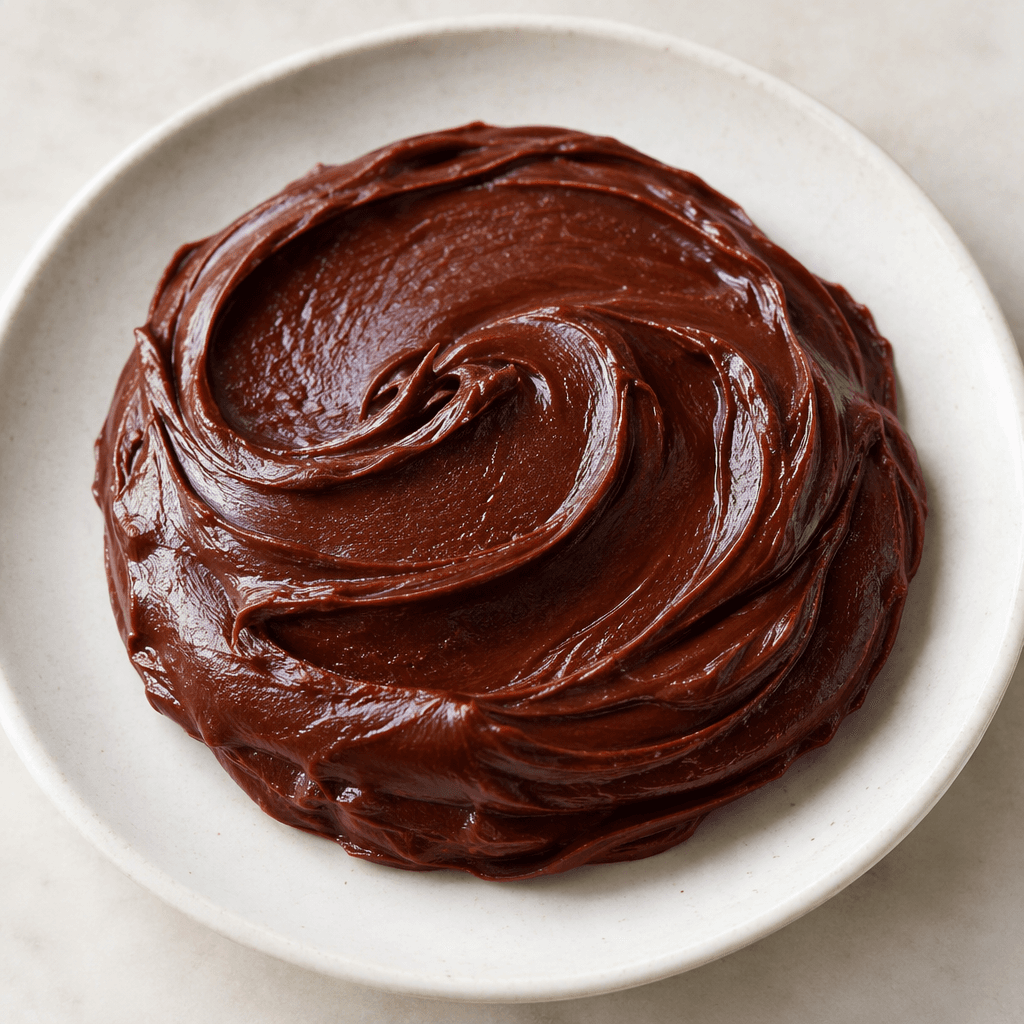
Nutella Calories
Popular chocolate hazelnut spread, high in sugar and fat.
CALORIES
GI
POTASSIUM
FIBER
Quick answer
1 tablespoon (medium) of Nutella (15 g) has 81 calories. That works out to 539 calories per 100 g. It contains 8.6 g of carbs, 0.9 g of protein, 4.6 g of fat and 0.5 g of fiber. Its 1 mg of Vitamin E covers 7% of the Daily Value. Its glycemic index is 75 (high), so it raises blood sugar quickly.
What is Nutella?
Nutella is an Italian sweet spread made with cocoa and hazelnuts. Its smooth, thick texture and rich chocolate-and-nut flavour make it a familiar choice on toast at breakfast, or as a filling for pancakes and crêpes. It is also often spooned over fruit or used in cakes and other desserts; serving it with sliced banana or strawberries adds freshness and contrast.
It is high in sugar and fat, so it is energy-dense: 100 g provides 539 calories. A thin layer on toast is often enough to enjoy its flavour, and pairing it with fruit can make for a more varied snack.
Nutella Nutrition Facts
Selected: 100 g
539
KCAL / 100G
Carbs
57.5g
· 21% DV
Protein
6.3g
· 13% DV
Fat
30.9g
· 40% DV
Fiber
3.4g
· 12% DV
DV is the share of the daily value covered, on a 2,000 kcal reference diet.
Calories come from: Carbs 43% · Protein 5% · Fat 52%
Nutella Vitamins & Minerals
Vitamins
Vitamin E
6.8mg · 45% DV
B2
0.2mg · 15% DV
B5
0.5mg · 10% DV
B1
0.08mg · 7% DV
Minerals
Manganese
1mg · 43% DV
Phosphorus
140mg · 20% DV
Magnesium
60mg · 14% DV
Calcium
110mg · 11% DV
How Nutritious Is Nutella?
Nutrient density
Low
How many vitamins, minerals and how much fiber this food carries per calorie. A high score means a lot of nutrition for few calories.
Satiety score
Low
An EatBetter score computed from fiber, protein and calorie density. A high score means staying full longer on the same calories.
Both scores are calculated per 100 g and do not change with the selected portion. The satiety score is EatBetter's own calculation, not a clinical measure.
Nutella Glycemic Index
GLYCEMIC INDEX
GLYCEMIC LOAD
Accounts for portion size — a more realistic measure than GI alone.
How to Burn Off Nutella
To burn the 539 calories in 100 g:
🚶
Walking (5 km/h)
🏃
Running (8 km/h)
🚴
Cycling
🏊
Swimming
Times are calculated with the MET equation for a 70 kg adult. Actual burn varies with your weight, age and pace.
Is Nutella Processed?
NOVA 4
Ultra-Processed
1. Unprocessed
2. Minimally Processed
3. Processed
4. Ultra-Processed
NOVA classifies foods into 4 groups by industrial processing. NOVA 1 (unprocessed) is the healthiest.
Does Nutella Contain Allergens?
Contains these allergens:
Which Diets Is Nutella Good For?
Vegan
— Not suitable
Vegetarian
✓ Suitable
Gluten-Free
— Not suitable
Dairy-Free
— Not suitable
Mediterranean
— Not suitable
Paleo
— Not suitable
Whole30
— Not suitable
DASH
— Not suitable
Keto
— Not suitable
Low FODMAP
— Not suitable
Nutella Fat Profile
SATURATED
10.6g
MONOUNSATURATED
12.7g
POLYUNSATURATED
3.1g
Omega 6:3 ratio 140:1
Above the ideal 4:1 (140:1).
Compare Nutella
Foods Similar to Nutella
Frequently Asked Questions About Nutella
What is Nutella made of?
Nutella is made mainly from sugar, palm oil, hazelnuts, cocoa, skimmed milk powder, and emulsifiers. The exact ingredient list can vary by market, and it contains both hazelnuts and milk, so it is unsuitable for people allergic to either.
Should Nutella be refrigerated after opening?
No, Nutella does not need refrigeration after opening. Keep the lid tightly closed and store the jar in a cool, dry place; chilling makes the spread firm and harder to spread.
How long does Nutella last once opened?
Keep opened Nutella tightly sealed in a cool, dry place and follow the date on its label. Use a clean, dry utensil each time, and discard it if its smell or appearance changes noticeably.
Does Nutella contain palm oil?
Yes, Nutella contains palm oil, which helps give it a smooth, spreadable texture. If the spread seems firm, let it sit at room temperature rather than refrigerating it or heating the jar directly.
Can you freeze Nutella?
You can freeze Nutella, but it is usually unnecessary and may make the texture less smooth after thawing. Store it sealed at room temperature instead, and avoid repeated temperature changes that can affect its consistency.
Why is Nutella so hard to spread?
Nutella is usually hard to spread because it has been kept somewhere cold, especially in the refrigerator. Let the jar return to room temperature; its texture should soften without needing to microwave or heat it.
Can you use Nutella in baking?
Yes, Nutella works as a filling or topping for brownies, cookies, cakes, and pastries. Because it already contains sugar and fat, account for that when adapting a recipe rather than adding it without adjusting the other ingredients.
Is Nutella healthy to eat every day?
Nutella is best treated as a sweet spread rather than an everyday staple: it is high in sugar and fat and does not provide much protein or fibre per typical spoonful. A thin spread is a more modest way to enjoy it.
Can people with diabetes eat Nutella?
Nutella contains a lot of sugar and can raise blood glucose, so portion size matters for people with diabetes. Ask your healthcare professional or dietitian how it fits your individual eating plan.
Is Nutella the same as chocolate spread?
No. Nutella is a specific branded hazelnut-and-cocoa spread, while chocolate spread is a broader category that can include products with different ingredients and no hazelnuts. Check the product name and ingredients when comparing them.
Have another question about Nutella?
Ask the AI nutrition coach — calories, portions, alternatives and more, answered in seconds in the app.

Scan calories with your camera
Instant AI nutrition analysis

Nutrition data compiled from USDA FoodData Central and scientific sources.