

Ready & Packaged Foods
All →Vegetables & Legumes
All →Desserts & Confectionery
All →Meat & Protein
All →Grains & Bakery
All →Beverages
All →Milk & Dairy
All →

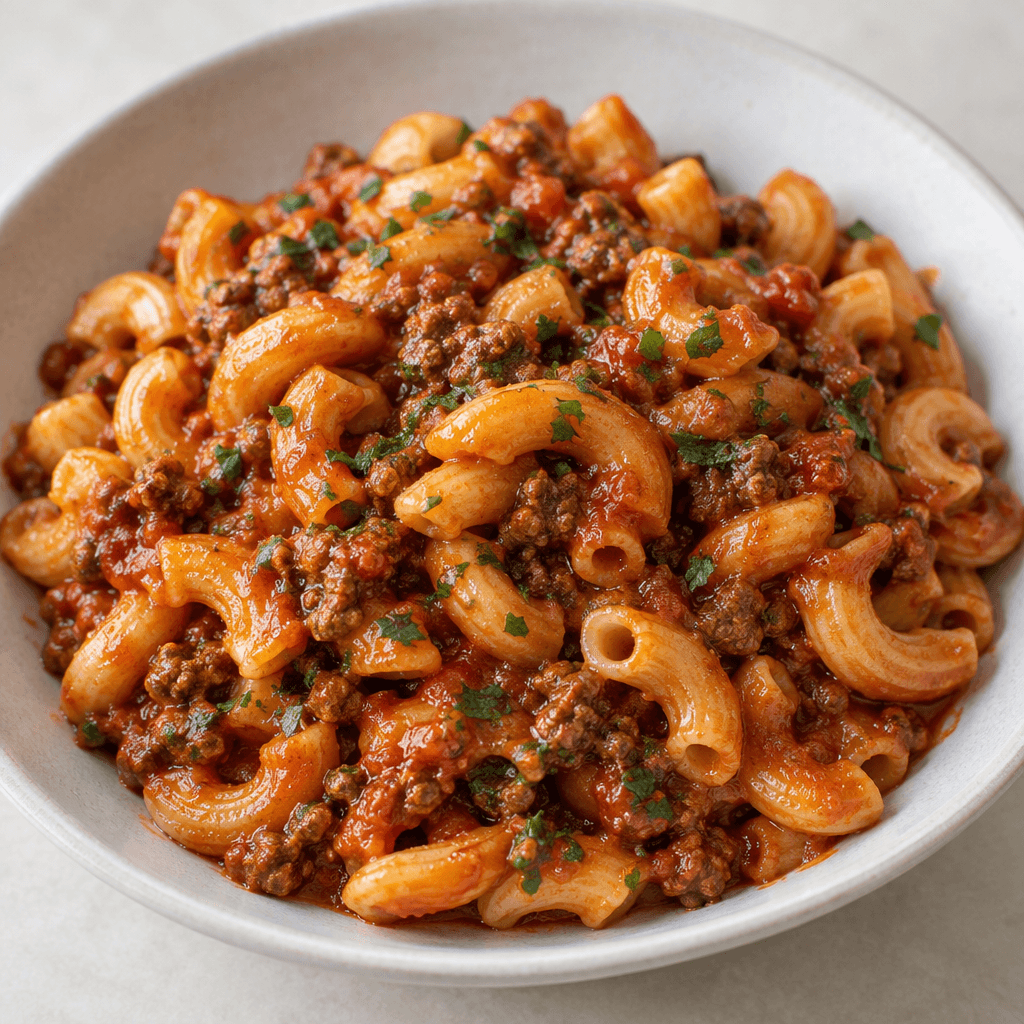
Meat pasta Calories
Protein and carbohydrate source, hearty main dish
In season: Spring · Summer · Autumn · Winter
CALORIES
GI
POTASSIUM
FIBER
Quick answer
1 serving (medium) of Meat pasta (180 g) has 306 calories. That works out to 170 calories per 100 g. It contains 39.6 g of carbs, 15.3 g of protein, 9.9 g of fat and 3.2 g of fiber. Its 0.8 µg of B12 covers 34% of the Daily Value. Its glycemic index is 55 (medium), so it raises blood sugar at a moderate pace.
What is Meat pasta?
Meat pasta brings together cooked pasta and minced meat, often in a tomato-based sauce. It is a familiar home-style main dish in many places rather than a recipe with one agreed origin; the pasta shape, seasoning and sauce vary from cook to cook.
Serve it hot for lunch or dinner, with a green salad or cooked vegetables; some households add grated cheese at the table. The pasta contributes most of the carbohydrates, while the meat adds protein, making the dish filling. For a lighter version, choose lean mince, add extra vegetables to the sauce and keep the serving of cheese modest.
Meat pasta Nutrition Facts
Selected: 100 g
170
KCAL / 100G
Carbs
22g
· 8% DV
Protein
8.5g
· 17% DV
Fat
5.5g
· 7% DV
Fiber
1.8g
· 6% DV
DV is the share of the daily value covered, on a 2,000 kcal reference diet.
Calories come from: Carbs 51% · Protein 20% · Fat 29%
Meat pasta Vitamins & Minerals
Vitamins
B12
0.45µg · 19% DV
B3
2.1mg · 13% DV
B2
0.13mg · 10% DV
B1
0.11mg · 9% DV
Minerals
Selenium
7.5µg · 14% DV
Phosphorus
85mg · 12% DV
Zinc
1mg · 9% DV
Iron
1mg · 6% DV
How Nutritious Is Meat pasta?
Nutrient density
Medium
How many vitamins, minerals and how much fiber this food carries per calorie. A high score means a lot of nutrition for few calories.
Satiety score
Medium
An EatBetter score computed from fiber, protein and calorie density. A high score means staying full longer on the same calories.
Both scores are calculated per 100 g and do not change with the selected portion. The satiety score is EatBetter's own calculation, not a clinical measure.
Meat pasta Glycemic Index
GLYCEMIC INDEX
GLYCEMIC LOAD
Accounts for portion size — a more realistic measure than GI alone.
How to Burn Off Meat pasta
To burn the 170 calories in 100 g:
🚶
Walking (5 km/h)
🏃
Running (8 km/h)
🚴
Cycling
🏊
Swimming
Times are calculated with the MET equation for a 70 kg adult. Actual burn varies with your weight, age and pace.
Is Meat pasta Processed?
NOVA 3
Processed
1. Unprocessed
2. Minimally Processed
3. Processed
4. Ultra-Processed
NOVA classifies foods into 4 groups by industrial processing. NOVA 1 (unprocessed) is the healthiest.
Does Meat pasta Contain Allergens?
Contains these allergens:
Which Diets Is Meat pasta Good For?
Vegan
— Not suitable
Vegetarian
— Not suitable
Gluten-Free
— Not suitable
Dairy-Free
— Not suitable
Mediterranean
✓ Suitable
Paleo
— Not suitable
Whole30
— Not suitable
DASH
— Not suitable
Keto
— Not suitable
Low FODMAP
— Not suitable
Meat pasta Fat Profile
SATURATED
1.7g
MONOUNSATURATED
2.1g
POLYUNSATURATED
0.5g
Omega 6:3 ratio 4.5:1
Above the ideal 4:1 (4.5:1).
Compare Meat pasta
Foods Similar to Meat pasta
Frequently Asked Questions About Meat pasta
How do you make meat pasta?
Meat pasta is made by browning ground meat, simmering it with tomato, then tossing the sauce with cooked pasta. Season the meat while it cooks, and save a little pasta water to help the sauce coat the noodles.
What meat is best for meat pasta?
Ground beef is a dependable choice for meat pasta because it browns easily and works well with tomato sauce. Ground lamb gives the dish a richer flavor, while leaner mince makes a less greasy sauce; cook either until thoroughly done.
What pasta shape works best for meat pasta?
Short shapes such as penne, fusilli, and elbow macaroni work especially well for meat pasta because their grooves and curves hold the mince and sauce. Spaghetti is also an option, but the meat sauce may not cling as evenly.
Is meat pasta the same as spaghetti bolognese?
No. Meat pasta is a broad description of pasta served with meat, often ground meat in tomato sauce. Spaghetti bolognese is a particular serving style, and its sauce is based on ragù alla bolognese rather than any generic meat-and-tomato sauce.
Can you make meat pasta without tomato sauce?
Yes, meat pasta can be made without tomato sauce. Brown the mince with garlic, onion, and herbs, then toss it with cooked pasta and a little pasta water or broth. A splash of cream or grated cheese can add richness.
How do you keep meat pasta from getting dry?
Keep meat pasta moist by reserving some pasta water and stirring it into the sauce before combining everything. If you are reheating leftovers, add a splash of water or extra sauce and warm the pasta gently, covered, until hot.
How long does meat pasta last in the fridge?
Meat pasta keeps in the refrigerator for 3–4 days when stored in a covered container and chilled promptly after cooking. Do not leave it sitting at room temperature for an extended time, since the cooked meat needs careful handling.
Can you freeze meat pasta?
Yes, meat pasta can be frozen in a tightly sealed, freezer-safe container. The pasta may soften slightly after thawing, so freezing the meat sauce separately and cooking fresh pasta later gives the best texture. Thaw frozen portions in the refrigerator.
What should you serve with meat pasta?
A green salad, roasted vegetables, or garlic bread pairs well with meat pasta. Since the dish already combines pasta and meat, a crisp salad or simple vegetable side adds freshness without making the meal feel too heavy.
Is meat pasta healthy?
Meat pasta can be part of a balanced meal, especially when the sauce includes vegetables and the portion is paired with salad. Homemade sauce lets you control added salt and oil; using lean mince is another practical way to keep it lighter.
Have another question about Meat pasta?
Ask the AI nutrition coach — calories, portions, alternatives and more, answered in seconds in the app.

Scan calories with your camera
Instant AI nutrition analysis

Nutrition data compiled from USDA FoodData Central and scientific sources.