

Ready & Packaged Foods
All →Vegetables & Legumes
All →Desserts & Confectionery
All →Meat & Protein
All →Grains & Bakery
All →Beverages
All →Milk & Dairy
All →

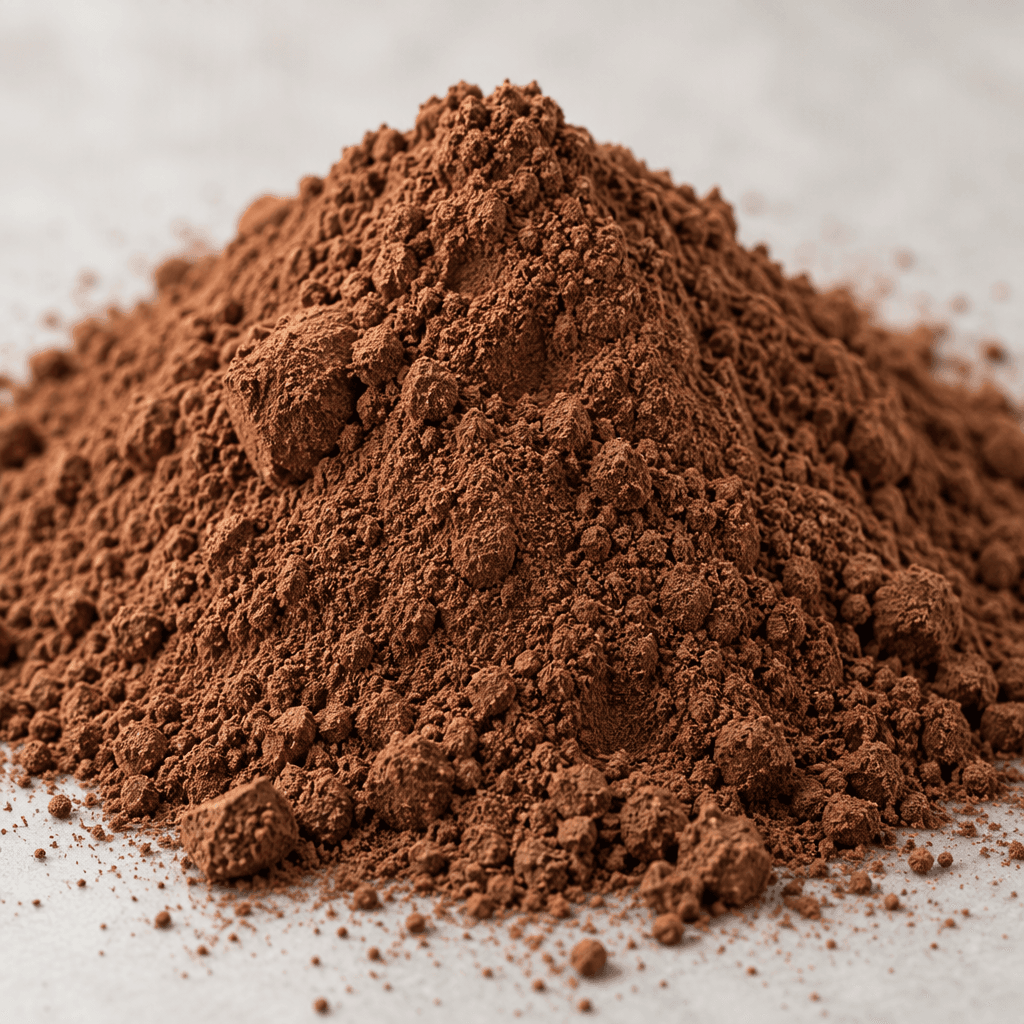
Chocolate mass gainer protein powder Calories
High-calorie, high-protein, carbohydrate-dominant sports supplement
CALORIES · 100 G
GI
POTASSIUM · 100 G
FIBER · 100 G
Quick answer
100 g of Chocolate mass gainer protein powder has 400 calories. It contains 43.2 g of carbs, 43.2 g of protein, 4 g of fat and 4 g of fiber. Its 12 µg of Biotin covers 40% of the Daily Value. Its glycemic index is 68 (medium), so it raises blood sugar at a moderate pace.
Chocolate mass gainer protein powder Nutrition Facts
Selected: 100 g
400
KCAL / 100G
Carbs
43.2g
· 16% DV
Protein
43.2g
· 86% DV
Fat
4g
· 5% DV
Fiber
4g
· 14% DV
DV is the share of the daily value covered, on a 2,000 kcal reference diet.
Calories come from: Carbs 45% · Protein 45% · Fat 10%
Chocolate mass gainer protein powder nutrition facts table · 100 g
| Nutrient | Amount | % DV |
|---|---|---|
| Calories | 400 kcal | |
| Total fat | 4 g | 5% |
| Saturated fat | 2.1 g | 11% |
| Trans fat | 0.05 g | |
| Sodium | 260 mg | 11% |
| Total carbohydrate | 43.2 g | 16% |
| Fiber | 4 g | 14% |
| Protein | 43.2 g | 86% |
Calories: Calories measure energy. Average daily need is 2,000 kcal. Excess calories are stored as fat, too few cause weight loss.
Carbs: Your body's primary energy source. The brain runs exclusively on carbs. Daily need: 275g.
Protein: Essential for muscle repair and cell growth. Daily need: 50g. Keeps you full and boosts metabolism.
Fat: Needed for hormone production and vitamin absorption. Daily need: 78g. Limit saturated fats, choose unsaturated.
Fiber: Critical for digestive health and satiety. Daily need: 28g. Stabilizes blood sugar, lowers cholesterol.

Log this food in EatBetter
100,000+ people use it
- Get your daily calorie target
- Snap your meal, log it in seconds
- See every vitamin and mineral

📸 Scan the code to get the app free.

How Many Calories in 1 Serving of Chocolate mass gainer protein powder?
| Serving | Amount | Calories |
|---|---|---|
| 1 serving (medium) | 100 g | 400 kcal |
| 1 tablespoon (small) | 15 g | 60 kcal |
| 2 tablespoon (double) | 30 g | 120 kcal |
| 1 serving (small) | 50 g | 200 kcal |
| 1 pack (small) | 75 g | 300 kcal |
| 100 g | 100 g | 400 kcal |
| 1 cup (medium) | 120 g | 480 kcal |
| 1 serving (large) | 150 g | 600 kcal |
| 2 serving (double) | 200 g | 800 kcal |
Calculated from 400 calories per 100 g.
Frequently Asked Questions About Chocolate mass gainer protein powder
What is chocolate mass gainer protein powder used for?
Chocolate mass gainer protein powder is used to make it easier to increase daily energy and protein intake. It can suit people who struggle to get enough from meals, but it does not build muscle on its own or replace strength training.
How do you mix chocolate mass gainer protein powder?
Mix chocolate mass gainer protein powder with the amount of liquid stated on its package, then shake or blend until smooth. Adding the powder after the liquid helps it mix more easily and reduces clumps.
Should you mix chocolate mass gainer protein powder with milk or water?
You can mix chocolate mass gainer protein powder with either milk or water. Milk gives it a creamier, more filling texture, while water makes a lighter drink. Choose based on the taste and texture you prefer.
Does chocolate mass gainer protein powder help you gain weight?
Yes, chocolate mass gainer protein powder can help you gain weight by making it easier to consume more energy. Weight increases when your intake exceeds what you use; consistently taking more than you need can also increase body fat.
When should you take chocolate mass gainer protein powder?
Take chocolate mass gainer protein powder at a time that fits your routine, such as after training or between meals. There is no special timing that guarantees muscle growth; consistent training and adequate overall nutrition matter more.
What is the difference between chocolate mass gainer protein powder and whey protein?
Chocolate mass gainer protein powder is generally designed to provide more carbohydrates and energy than whey protein. Whey is mainly used to add protein, whereas a mass gainer is intended to make increasing overall energy intake easier.
Can chocolate mass gainer protein powder replace a meal?
No, chocolate mass gainer protein powder is not a complete substitute for a balanced meal. It can provide a convenient drink between meals, but whole foods offer a wider range of nutrients and textures.
Can you bake with chocolate mass gainer protein powder?
Yes, chocolate mass gainer protein powder can be added to recipes such as pancakes or baked snacks. It may change the texture and sweetness, so use it as part of a recipe rather than replacing all the flour.
What are the side effects of chocolate mass gainer protein powder?
Chocolate mass gainer protein powder may cause bloating, gas, or stomach discomfort in some people, especially when taken quickly or in a large amount. It can also add more energy than intended if used on top of usual meals.
Can you take chocolate mass gainer protein powder without working out?
Yes, you can take chocolate mass gainer protein powder without working out, but it will not stimulate muscle growth by itself. Without exercise, any extra energy you consume may contribute to weight gain rather than support training adaptation.
Chocolate mass gainer protein powder Vitamins & Minerals
Vitamins
Biotin
12µg · 40% DV
B12
0.8µg · 33% DV
B2
0.4mg · 31% DV
B5
1.5mg · 30% DV
Minerals
Phosphorus
280mg · 40% DV
Copper
0.22mg · 24% DV
Magnesium
95mg · 23% DV
Calcium
220mg · 22% DV
Potassium ⭐
420mg · 12% DV
Sodium
260mg · 11% DV
Chocolate mass gainer protein powder Glycemic Index
GLYCEMIC INDEX
GLYCEMIC LOAD
Accounts for portion size — a more realistic measure than GI alone.
How to Burn Off Chocolate mass gainer protein powder
To burn the 400 calories in 100 g:
🚶
Walking (5 km/h)
🏃
Running (8 km/h)
🚴
Cycling
🏊
Swimming
Times are calculated with the MET equation for a 70 kg adult. Actual burn varies with your weight, age and pace.
What is Chocolate mass gainer protein powder?
Chocolate mass gainer protein powder is a calorie-dense sports supplement made to provide substantial protein and carbohydrates in a drinkable form. It is usually blended with water or milk; the chocolate flavour makes it sweeter and more dessert-like than an unflavoured shake, while the texture can range from thin to creamy depending on how much liquid you use.
People commonly have it after training or between meals, and it can also be stirred into porridge or a smoothie. Its nutrition is carbohydrate-led as well as high in protein: a 100 g portion provides 43.2 g of protein. Since it is more substantial than a light snack, consider it when you need a convenient, filling option; mixing it with water keeps the drink lighter than using milk.
How Nutritious Is Chocolate mass gainer protein powder?
Nutrient density
Low
How many vitamins, minerals and how much fiber this food carries per calorie. A high score means a lot of nutrition for few calories.
Satiety score
Medium
An EatBetter score computed from fiber, protein and calorie density. A high score means staying full longer on the same calories.
Both scores are calculated per 100 g and do not change with the selected portion. The satiety score is EatBetter's own calculation, not a clinical measure.
Is Chocolate mass gainer protein powder Processed?
NOVA 4
Ultra-Processed
1. Unprocessed
2. Minimally Processed
3. Processed
4. Ultra-Processed
NOVA classifies foods into 4 groups by industrial processing. NOVA 1 (unprocessed) is the healthiest.
Does Chocolate mass gainer protein powder Contain Allergens?
Contains these allergens:
Which Diets Is Chocolate mass gainer protein powder Good For?
Vegan
— Not suitable
Vegetarian
✓ Suitable
Gluten-Free
— Not suitable
Dairy-Free
— Not suitable
Mediterranean
— Not suitable
Paleo
— Not suitable
Whole30
— Not suitable
DASH
— Not suitable
Keto
— Not suitable
Low FODMAP
— Not suitable
Chocolate mass gainer protein powder Fat Profile
SATURATED
2.1g
MONOUNSATURATED
1.5g
POLYUNSATURATED
1.5g
Omega 6:3 ratio 17.5:1
Above the ideal 4:1 (17.5:1).
Compare Chocolate mass gainer protein powder
Foods Similar to Chocolate mass gainer protein powder
Have another question about Chocolate mass gainer protein powder?
Ask the AI nutrition coach — calories, portions, alternatives and more, answered in seconds in the app.

Scan calories with your camera
Instant AI nutrition analysis

Nutrition data compiled from USDA FoodData Central and scientific sources.