

Ready & Packaged Foods
All →Vegetables & Legumes
All →Desserts & Confectionery
All →Meat & Protein
All →Grains & Bakery
All →Beverages
All →Milk & Dairy
All →

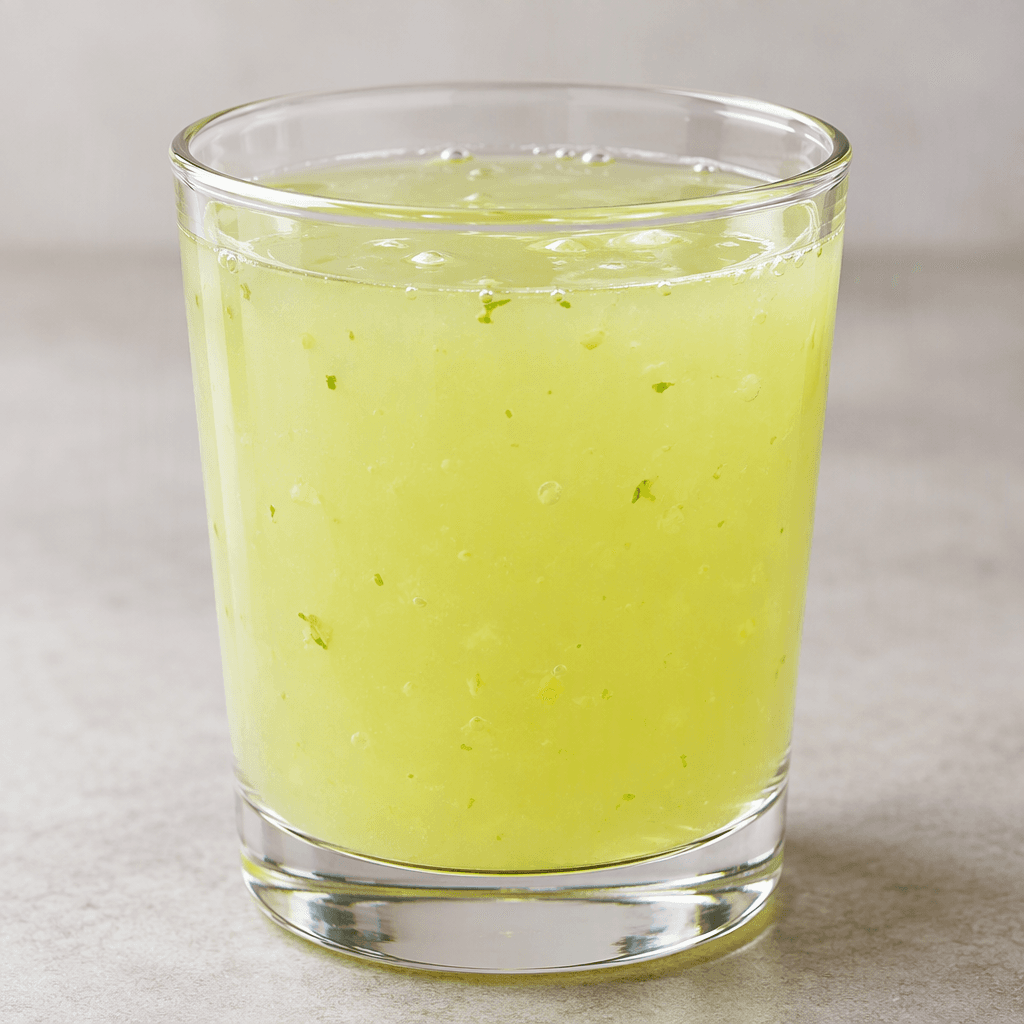
Lime Juice Calories
High in vitamin C, refreshing, low calorie
In season: Spring · Summer · Autumn · Winter
CALORIES
GI
POTASSIUM
FIBER
Quick answer
1 tablespoon (medium) of Lime Juice (15 g) has 4 calories. That works out to 25 calories per 100 g. It contains 1.3 g of carbs, 0.1 g of protein, 0 g of fat and 0 g of fiber. Its 4.4 mg of Vitamin C covers 5% of the Daily Value. Its glycemic index is 20 (low), so it raises blood sugar slowly.
What is Lime Juice?
Lime juice is the sharp, fragrant juice squeezed from limes, small green citrus fruits grown in tropical regions. Its flavour is tart and aromatic, often a little more floral than lemon. Across the Americas, the Caribbean and Southeast Asia, it is a familiar ingredient in marinades, sauces and drinks; elsewhere, it is an easy way to brighten everyday cooking.
Use it with fish, in salad dressings, or in sparkling water and cocktails. Lime juice provides vitamin C while remaining low in calories. A squeeze can add plenty of tang to a dish, so start with a little and adjust to taste.
Lime Juice Nutrition Facts
Selected: 100 g
25
KCAL / 100G
Carbs
8.4g
· 3% DV
Protein
0.4g
· 1% DV
Fat
0.1g
· 0% DV
Fiber
0.2g
· 1% DV
DV is the share of the daily value covered, on a 2,000 kcal reference diet.
Calories come from: Carbs 93% · Protein 4% · Fat 3%
Lime Juice Vitamins & Minerals
Vitamins
Vitamin C
29mg · 32% DV
B5
0.2mg · 4% DV
B1
0.03mg · 3% DV
B2
0.02mg · 2% DV
Minerals
Potassium ⭐
102mg · 3% DV
Calcium
11mg · 1% DV
Magnesium
6mg · 1% DV
Phosphorus
8mg · 1% DV
How Nutritious Is Lime Juice?
Nutrient density
High
How many vitamins, minerals and how much fiber this food carries per calorie. A high score means a lot of nutrition for few calories.
Satiety score
Medium
An EatBetter score computed from fiber, protein and calorie density. A high score means staying full longer on the same calories.
Both scores are calculated per 100 g and do not change with the selected portion. The satiety score is EatBetter's own calculation, not a clinical measure.
Lime Juice Glycemic Index
GLYCEMIC INDEX
GLYCEMIC LOAD
Accounts for portion size — a more realistic measure than GI alone.
How to Burn Off Lime Juice
To burn the 25 calories in 100 g:
🚶
Walking (5 km/h)
🏃
Running (8 km/h)
🚴
Cycling
🏊
Swimming
Times are calculated with the MET equation for a 70 kg adult. Actual burn varies with your weight, age and pace.
Is Lime Juice Processed?
NOVA 2
Minimally Processed
1. Unprocessed
2. Minimally Processed
3. Processed
4. Ultra-Processed
NOVA classifies foods into 4 groups by industrial processing. NOVA 1 (unprocessed) is the healthiest.
Does Lime Juice Contain Allergens?
No known major allergens
Which Diets Is Lime Juice Good For?
Vegan
✓ Suitable
Vegetarian
✓ Suitable
Gluten-Free
✓ Suitable
Dairy-Free
— Not suitable
Mediterranean
✓ Suitable
Paleo
✓ Suitable
Whole30
— Not suitable
DASH
— Not suitable
Keto
✓ Suitable
Low FODMAP
— Not suitable
Lime Juice Fat Profile
SATURATED
0.01g
MONOUNSATURATED
0.01g
POLYUNSATURATED
0.02g
Compare Lime Juice
Foods Similar to Lime Juice
Frequently Asked Questions About Lime Juice
Can Lime Juice replace lemon juice in recipes?
Yes, Lime Juice can replace lemon juice in many recipes because both add acidity. Its aroma is distinct, though, and can make a dish taste more fragrant or tropical. Start with a little and adjust to taste, especially in desserts and delicate sauces.
How do you get more juice out of a lime for Lime Juice?
Roll the lime firmly on the counter under your palm before cutting it; this helps release the juice inside. Cut it across the middle and squeeze without crushing the seeds, which can add bitterness to your Lime Juice.
How should you store fresh Lime Juice?
Keep fresh Lime Juice in a clean, tightly covered container in the refrigerator. Air gradually dulls its aroma, so it tastes best soon after squeezing. Discard it if its smell, appearance, or taste has noticeably changed.
Can Lime Juice be frozen?
Yes, Lime Juice freezes well. Pour it into an ice-cube tray in small portions, then transfer the frozen cubes to a sealed container. Use them in drinks, dressings, marinades, or sauces; thawed juice may taste less fresh than newly squeezed juice.
What can you make with Lime Juice?
Lime Juice works in margaritas, ceviche, salsa, guacamole, salad dressings, and marinades for fish or chicken. Its acidity balances rich, salty, and spicy flavors. Add it near the end of cooking when you want its fresh aroma to stand out.
Why does Lime Juice taste bitter?
Lime Juice can taste bitter if the seeds are crushed or the white pith is squeezed along with the fruit. Squeeze gently, remove seeds, and avoid pressing the peel into the juice. Older juice can also lose its fresh, bright flavor.
Is bottled Lime Juice as good as fresh Lime Juice?
Fresh Lime Juice usually has a brighter, more fragrant taste. Bottled Lime Juice is convenient for cooking, but processing and storage can soften its aroma. For cocktails, ceviche, or a finishing squeeze, fresh juice usually gives the clearest lime flavor.
Does Lime Juice tenderize meat?
Yes, the acid in Lime Juice changes proteins on the surface of meat, which can affect its texture during marinating. A long soak can make the outside mushy or firm rather than tender, so use it for a short marinade and then cook the meat.
Can Lime Juice stop guacamole from turning brown?
Yes, Lime Juice can slow browning because its acidity reduces the oxidation that darkens cut avocado. Mix it through the guacamole and press food wrap directly onto the surface before refrigerating; it will slow discoloration but may not prevent it completely.
Can Lime Juice damage tooth enamel?
Yes, frequent or prolonged contact with Lime Juice can wear down tooth enamel because it is acidic. Rinse your mouth with water after drinking it, and wait before brushing so you do not scrub softened enamel.
Have another question about Lime Juice?
Ask the AI nutrition coach — calories, portions, alternatives and more, answered in seconds in the app.

Scan calories with your camera
Instant AI nutrition analysis

Nutrition data compiled from USDA FoodData Central and scientific sources.